Introduction
Imagine a dessert that combines the nostalgic taste of sugar cookies with the creamy delight of cheesecake. The Sugar Cookie Cheesecake is just that—a confection that effortlessly marries two beloved treats into something truly special. Whether served at a holiday gathering or a casual family dinner, this dessert is bound to impress any crowd.
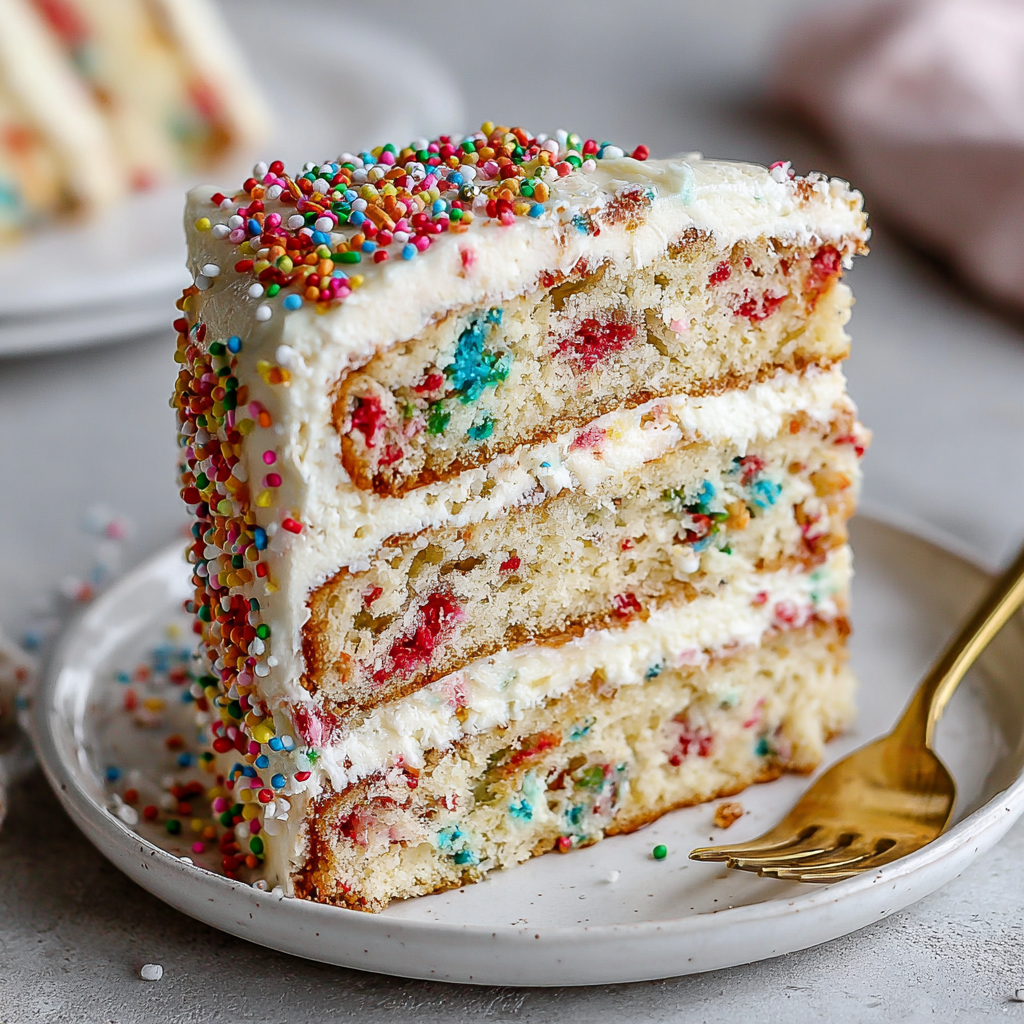
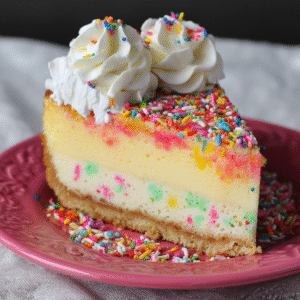
The soft, sweet sugar cookie base offers a comforting foundation, while the rich cheesecake layer provides a smooth contrast to that gentle crunch. With an additional sprinkle of colorful toppings or a drizzle of chocolate, this dessert transforms into a festive centerpiece that catches the eye and tantalizes the taste buds.
While the flavor profiles blend harmoniously, the process of creating this dessert is both approachable and rewarding. Gather your ingredients and get ready to embark on a sweet baking adventure that celebrates the joys of homemade treasures.
Ingredients
- 1 ½ cups all-purpose flour
This is the primary structure for your sugar cookie base, giving it the right texture. The flour acts as the backbone, providing stability while allowing the cookie to hold its shape. - ½ teaspoon baking soda
Baking soda contributes to the leavening process, ensuring your sugar cookies don't become overly dense. It helps create a soft and chewy texture that pairs beautifully with the cheesecake. - ½ teaspoon salt
Salt enhances and balances the sweetness of the sugar cookie, ensuring that no single flavor overpowers the others. It plays a vital role in highlighting the overall taste of the dessert. - ½ cup unsalted butter, softened
Butter not only adds richness and flavor but also provides moisture to the cookies. Its fat content helps create that desired melt-in-your-mouth quality. - 1 cup granulated sugar
Sugar sweetens the cookie base and contributes to the golden-brown color during baking. Its interaction with butter creates a lovely, rich flavor that's characteristic of traditional sugar cookies. - 1 large egg
The egg binds the ingredients together, providing moisture and creating a cohesive structure within the cookie base. It also adds richness to the overall flavor. - 1 teaspoon vanilla extract
Vanilla enhances the sweetness and adds a layer of aromatic complexity that elevates the cookie base beyond mere sweetness. - 16 ounces cream cheese, softened
Cream cheese provides the rich, creamy texture essential for a cheesecake. It lends a tangy flavor that beautifully offsets the sweetness of the cookie crust. - ¾ cup powdered sugar
Powdered sugar sweetens the cheesecake filling and dissolves easily for a smooth texture, ensuring there are no grainy bits in your creamy filling. - 1 teaspoon lemon juice
Lemon juice brightens the flavor of the cheesecake, adding a subtle acidity that balances the sweetness while enhancing the overall flavor profile. - 1 teaspoon vanilla extract
Similar to its role in the cookie base, vanilla extract adds depth and richness to the cheesecake filling, creating a cohesive flavor theme throughout the dessert. - Optional toppings (sprinkles, whipped cream)
These toppings are not just for decoration; they add texture and visual appeal to your dessert, making it festive and inviting. Choose toppings that complement the flavors.
Directions & Preparation
Step 1: Preheat your oven to 350°F (175°C).
Preheating ensures that your sugar cookie base bakes evenly and achieves the perfect texture. An adequately heated oven guarantees that your baked goods rise correctly and develop that golden exterior.
Step 2: In a medium bowl, whisk together flour, baking soda, and salt.
This initial step helps evenly distribute the leavening agents and salt throughout the flour. Proper mixing of dry ingredients allows for a consistent texture and uniform taste in the final product.
Step 3: In a separate large bowl, cream together the softened butter and granulated sugar until light and fluffy.
Creaming butter and sugar not only incorporates air for leavening but also emulsifies the fat, creating a smooth mixture. This step contributes to the overall texture and adds body to your cookie base.
Step 4: Add the egg and vanilla extract to the butter mixture, mixing until combined.
Incorporating the egg and vanilla enriches the dough, further developing the flavor profile. The moisture added from the egg also helps create a tender texture once baked.
Step 5: Gradually mix in the dry ingredients until just combined.
Avoid overmixing at this stage to prevent developing gluten, which can lead to a tough cookie. Just blend until the flour is no longer visible, ensuring a tender, delectable base for your cheesecake.
Step 6: Press the cookie dough into the bottom of a greased 9-inch springform pan evenly.
Pressing the dough more firmly helps prevent the crust from crumbling in the final dessert. A uniform layer ensures even baking, providing a delicious base for the creamy cheesecake.
Step 7: Bake the crust for 10-12 minutes or until lightly golden. Remove from oven and let it cool slightly.
Proper baking provides the cookie crust with a desirable texture that contrasts with the creamy cheesecake filling. Allowing it to cool slightly prevents the filling from melting when you pour it onto the crust.
Step 8: In a large mixing bowl, beat the softened cream cheese until smooth and creamy.
Ensuring you beat the cream cheese until smooth eliminates lumps. A homogeneous batter allows for a creamy and luscious cheesecake that is pleasant to eat.
Step 9: Gradually add the powdered sugar and lemon juice, mixing until fully combined.
Incorporating powdered sugar gently sweetens the filling while ensuring it remains smooth. Lemon juice's acidity contrasts the sweetness and enhances flavor complexity.
Step 10: Stir in vanilla extract to the cream cheese mixture until well blended.
This step similarly adds flavor depth to your mixture, ensuring every bite of your cheesecake is consistent and rich. Vanilla is crucial in creating that signature dessert flavor.
Step 11: Spread the cheesecake filling evenly over the cooled cookie crust.
An even spread ensures every slice has a balanced ratio of cheesecake to crust. Proper layering enhances the visual appeal and preserves the structural integrity when sliced.
Step 12: Bake the cheesecake for 45-50 minutes until the edges are set but the center jiggles slightly.
Undercooking allows the cheesecake to retain its creamy texture, while being careful not to overcook prevents cracking. This delicate step ensures you achieve a perfect cheesecake.
Step 13: Let the cheesecake cool at room temperature for at least 1 hour before chilling it in the refrigerator for at least 4 hours (or overnight).
Cooling the cheesecake gradually prevents it from cracking, as sudden temperature changes can cause it to lose stability. Chilling enhances flavors and allows the cheesecake to set properly.
Step 14: Add any desired toppings just before serving to maintain freshness and texture.
Adding toppings just before serving maximizes their crispness and visual appeal. This practice allows the dessert to shine and ensures that your guests enjoy the full experience of the dessert.

Choosing the Right Cream Cheese
When making a cheesecake, the quality of your cream cheese can significantly impact the final outcome. Opt for full-fat cream cheese for a rich, creamy texture that holds up well during baking. Avoid reduced-fat varieties, as they can lead to a less satisfying mouthfeel and may not set properly. Ensure your cream cheese is softened to room temperature for easy incorporation into the filling.
Creative Topping Ideas
While sprinkles and whipped cream are delightful, consider diversifying your topping options to enhance the dessert’s presentation and flavor. Fresh fruit like berries adds a refreshing contrast to the richness of cheesecake, while a drizzle of chocolate or caramel sauce can elevate it to a more indulgent level. You might also sprinkle crushed cookies or nuts to add texture and visual interest.
The Importance of Cooling Times
It's crucial to allow your cheesecake to cool gradually and chill adequately. This process not only helps prevent cracks in the top but also intensifies flavors as the cheesecake continues to set. Chilling overnight is ideal, allowing the flavors to meld beautifully and resulting in a firmer, more stable slice upon serving.
FAQs
What if my cheesecake filling is too thick?
If your cheesecake filling is too thick, add a splash of milk or cream to loosen it. Mix until smooth to achieve a creamy texture, ensuring it spreads evenly on your cookie crust.
Can I reduce the sugar in the cheesecake filling?
You can certainly reduce the sugar, but be mindful that it may affect the overall sweetness and balance of the flavors. Start by reducing by a quarter and adjust to your taste.
What if my sugar cookie base crumbles when cutting?
If your base crumbles, ensure it was pressed firmly enough into the pan before baking. Next time, try adding a bit more butter or chilling the base longer to help it hold together.
Why did my cheesecake crack on top while baking?
Cracking often results from baking at too high a temperature or overbaking. To avoid this, maintain an even baking temperature and check for doneness by the jiggle method.
Can I decorate the cheesecake before fully chilling it?
It's best to wait until your cheesecake has fully chilled before adding decorations. This avoids sinking toppings and allows them to maintain their shape.
What's the best way to slice the cheesecake without mess?
Use a hot, dry knife to slice the cheesecake, wiping it clean between cuts. This technique prevents the filling from sticking and results in cleaner slices.
Conclusion
Creating a Sugar Cookie Cheesecake is an experience that blends nostalgia with culinary creativity. The joyful combination of flavors and textures transforms a classic dessert into something extraordinary that everyone can enjoy.
As you serve this delightful treat, remember that home baking is not just about the end product but the joy of sharing and creating with loved ones. With a little care and attention, you can master this dessert and make lasting memories around the table.
Recipe Card
Delightful Sugar Cookie Cheesecake for Home Cooks
Ingredients
- 1 ½ cups all-purpose flour
- ½ teaspoon baking soda
- ½ teaspoon salt
- ½ cup unsalted butter softened
- 1 cup granulated sugar
- 1 large egg
- 1 teaspoon vanilla extract
- 16 ounces cream cheese softened
- ¾ cup powdered sugar
- 1 teaspoon lemon juice
- 1 teaspoon vanilla extract
- Optional toppings sprinkles, whipped cream
Instructions
- Preheat your oven to 350°F (175°C).
- In a medium bowl, whisk together flour, baking soda, and salt.
- In a separate large bowl, cream together the softened butter and granulated sugar until light and fluffy.
- Add the egg and vanilla extract to the butter mixture, mixing until combined.
- Gradually mix in the dry ingredients until just combined.
- Press the cookie dough into the bottom of a greased 9-inch springform pan evenly.
- Bake the crust for 10-12 minutes or until lightly golden. Remove from oven and let it cool slightly.
- In a large mixing bowl, beat the softened cream cheese until smooth and creamy.
- Gradually add the powdered sugar and lemon juice, mixing until fully combined.
- Stir in vanilla extract to the cream cheese mixture until well blended.
- Spread the cheesecake filling evenly over the cooled cookie crust.
- Bake the cheesecake for 45-50 minutes until the edges are set but the center jiggles slightly.
- Let the cheesecake cool at room temperature for at least 1 hour before chilling it in the refrigerator for at least 4 hours (or overnight).
- Add any desired toppings just before serving to maintain freshness and texture.
Notes
Additional serving suggestions: pair with a crisp salad, garlic bread, or roasted seasonal vegetables for balance.
For make-ahead, prep components separately and assemble just before heating to preserve texture.
Taste and adjust with acid (lemon/vinegar) and salt right at the end to wake up flavors.