Introduction
There’s something truly magical about smoked brisket that draws people into the world of barbecuing. Its rich, smoky flavor along with a beautifully tender texture can transform any cook into a culinary hero. Whether you’re hosting a backyard gathering or just indulging in a quiet evening, smoked brisket brings a sense of comfort and festivity.
While it may seem intimidating at first, with the right approach and attention to detail, anyone can master this beloved cut of meat. The key lies not only in the quality of the brisket itself but also in the meticulous process of seasoning, smoking, and resting it. Let’s dive into the essential components and steps to create your own smoky masterpiece.
Ingredients
- 5-7 pounds whole brisket
A good quality whole brisket is essential, as it includes both the flat and the point. The marbling and fat content contribute to the tenderness and flavor during the smoking process. - 2 tablespoons kosher salt
Salt enhances flavor and helps with moisture retention. It also aids in forming a crust on the brisket during smoking. - 2 tablespoons black pepper
Freshly cracked black pepper adds a robust spice that complements the natural flavor of the brisket, creating a well-rounded crust. - 1 tablespoon garlic powder
Garlic powder infuses an aromatic depth that pairs beautifully with the richness of the meat. It also helps to develop a more complex flavor profile. - 1 tablespoon onion powder
Like garlic, onion powder introduces a subtle sweetness and savoriness that rounds out the seasoning. It enhances the overall flavor without overpowering the brisket. - Wood chips for smoking (hickory, oak, or mesquite)
Choosing the right wood chips is crucial as they impart distinct flavors. Hickory offers a strong taste, while oak and mesquite provide a balanced and bold profile. - Mustard (optional) for binder
Using mustard as a binder helps the rub adhere better to the meat during smoking. It contributes a mild tang that doesn’t overpower the brisket’s flavors.
Directions & Preparation
Step 1: Prepare the brisket
Start by trimming the brisket to remove excess fat, leaving about a quarter-inch layer for moisture retention. This allows for better flavor penetration and aids in achieving a nice crust. Rinse it under cold water and pat it dry with paper towels.
Step 2: Season the brisket
In a bowl, mix the kosher salt, black pepper, garlic powder, and onion powder to create your dry rub. Apply a thin layer of mustard over the brisket, then rub the seasoning mixture all over the meat for even coverage. This step is fundamental as it builds flavor that will permeate throughout the smoking process.
Step 3: Prepare your smoker
Preheat your smoker to around 225-250°F (107-121°C) and add your choice of wood chips. Soaking the wood chips in water for about 30 minutes prior can help create more smoke. Temperature control is crucial for even cooking, so make sure to maintain a steady heat throughout the smoking.
Step 4: Smoke the brisket
Place the brisket, fat side up, in the smoker. Smoke for about 1 to 1.5 hours per pound, monitoring the temperature. This ensures the meat absorbs maximum smoke flavor while cooking slowly, which is vital for achieving that tender texture.
Step 5: Wrap the brisket
Once the brisket reaches an internal temperature of around 165°F (74°C), wrap it tightly in foil or butcher paper. This step is important to help retain moisture, allowing the brisket to continue cooking gently until tender.
Step 6: Check for doneness
Continue to cook the wrapped brisket until it reaches an internal temperature of 195-205°F (90-96°C). At this point, it should feel tender when tested with a probe. Emphasizing the right temperature ensures a perfect balance of firmness and melt-in-your-mouth texture.
Step 7: Rest the brisket
Once done, let the brisket rest for at least an hour before slicing. This step allows the juices to redistribute throughout the meat, enhancing flavor and moisture retention. Avoid cutting into it too soon.
Step 8: Slice and serve
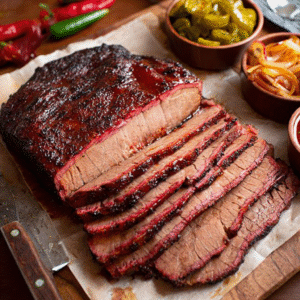
Using a sharp knife, slice the brisket against the grain into quarter-inch thick pieces. This is crucial for tenderness; slicing against the grain breaks down the muscle fibers. Serve it with your favorite barbecue sauce and sides to complete the meal.

The Science of Smoke: Finding the Right Flavor
Understanding how different woods affect the flavor profile of your brisket can elevate your cooking. Hickory provides a bold, hearty taste, while oak gives a more subtle nutty essence. Mesquite, on the other hand, delivers an intense and robust flavor profile. Experimenting with combinations can discover unique profiles that enhance your brisket's natural flavors.
Resting: The Key to Juiciness and Flavor
The resting phase is often overlooked, yet it’s crucial for a successful brisket. During this time, the meat’s fibers relax, allowing juices to redistribute evenly, which enhances the overall flavor and tenderness. Wrapping the brisket in a towel and placing it in a cooler can keep it warm while it rests, preserving its heat and moisture.
Achieving the Perfect Bark: A Matter of Time and Temperature
Creating a flavorful crust or 'bark' on your brisket takes patience. The Maillard reaction, which occurs when the sugars and proteins in the meat react to heat, forms that irresistible outer layer. Cooking low and slow, combined with a good rub, is key. A surface temperature of 300°F (149°C) or higher is required for optimal bark development.
FAQs
What’s the best wood to use for smoking brisket?
Hickory is a popular choice for its strong, robust flavor, but oak and mesquite also work well. Experimenting with different woods can yield unique flavor profiles for your brisket.
Why did my brisket turn out tough?
A tough brisket typically results from not cooking it long enough or at too high a temperature. Make sure to smoke until it reaches the right internal temperature and feels tender.
How do I know when to wrap my brisket?
Wrap your brisket once it reaches an internal temperature of around 165°F (74°C). This helps to retain moisture and can speed up the cooking process while still allowing for flavor absorption.
Is it necessary to trim the fat on my brisket?
Trimming the fat is essential to ensure that the brisket doesn’t become overly greasy. Leaving a quarter-inch layer allows for moisture while still letting that rich flavor shine through.
What if my rub is too salty?
If the rub ends up too salty, you can balance it out by serving with a sweeter barbecue sauce on the side or pairing the brisket with sweeter side dishes to complement the saltiness.
Can I make a smaller batch of brisket?
Absolutely. You can scale down the recipe by using a smaller cut, but be mindful that cooking times will also decrease. Adjust the rub quantities accordingly and keep an eye on the internal temperature.
Conclusion
Creating smoked brisket at home may seem intricate, but with practice and patience, the rewards are immense. The process allows you to connect with your food and share delicious moments with loved ones. The fruits of your labor are bound to impress any palate.
Remember, the true essence of smoked brisket lies in understanding the balance of time, temperature, and flavor. As you continue on this journey, embrace the nuances, and don’t be afraid to adjust and experiment along the way.
Recipe Card
Perfecting the Art of Smoked Brisket at Home
Ingredients
- 5-7 pounds whole brisket
- 2 tablespoons kosher salt
- 2 tablespoons black pepper
- 1 tablespoon garlic powder
- 1 tablespoon onion powder
- Wood chips for smoking hickory, oak, or mesquite
- Mustard optional for binder
Instructions
- Prepare the brisket
- Season the brisket
- Prepare your smoker
- Smoke the brisket
- Wrap the brisket
- Check for doneness
- Rest the brisket
- Slice and serve
Notes
Additional serving suggestions: pair with a crisp salad, garlic bread, or roasted seasonal vegetables for balance.
For make-ahead, prep components separately and assemble just before heating to preserve texture.
Taste and adjust with acid (lemon/vinegar) and salt right at the end to wake up flavors.