Introduction
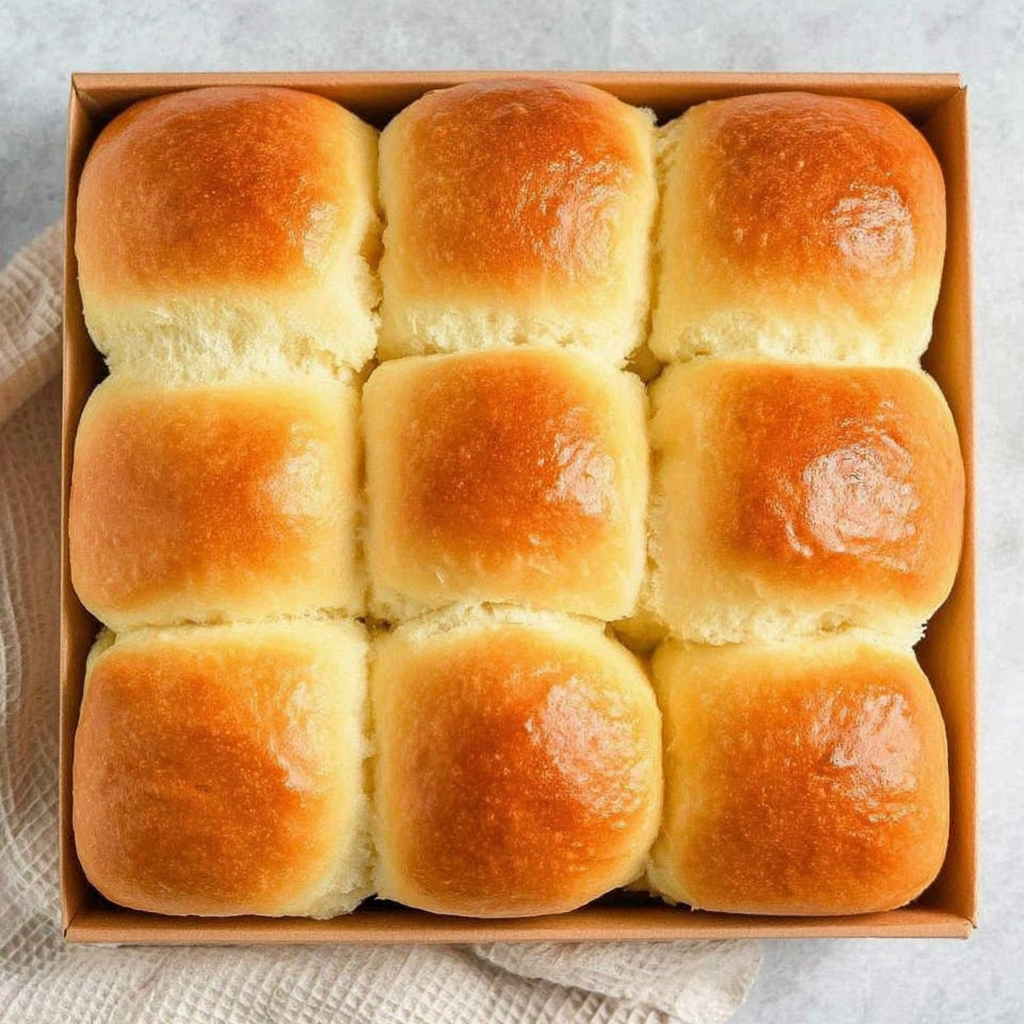
Fluffy dinner rolls are a warm and inviting staple that can elevate any meal. They introduce a delightful softness that complements main dishes while providing a comforting side. The allure of homemade rolls lies in their ability to transform a mundane dinner into something truly special.
The beauty of dinner rolls is that they are both simple and versatile. With a few basic ingredients, you can create a batch that rivals any bakery. Learning to make these rolls is rewarding, allowing you to impress family and friends with fresh, warm bread straight from your oven.
Ingredients
- 4 cups all-purpose flour
Flour provides the structure and body of the rolls. Its proteins develop gluten when mixed and kneaded, which is crucial for the rolls to rise and maintain their shape. The right protein content in all-purpose flour ensures that the rolls achieve a perfect balance of fluffiness and chew. - 1 packet (2 ¼ tsp) active dry yeast
Yeast is the magical ingredient that causes the dough to rise. It ferments the sugars present in the flour, producing carbon dioxide gas that creates air pockets in the dough, making the rolls light and fluffy. Using fresh yeast is key to achieving the best results. - 1 tablespoon granulated sugar
Sugar not only adds a touch of sweetness but also serves as food for the yeast, helping it to activate and rise efficiently. It promotes browning during baking, enhancing the rolls' crispy exterior and flavor. - 1 teaspoon salt
Salt enhances flavor and controls yeast activity. It strengthens gluten structure and prevents the dough from over-proofing, which is important for achieving the perfect texture. Balancing the saltiness is crucial to ensure the rolls are delicious without being overpowering. - 1 ½ cups warm milk
Warm milk enriches the dough, adding moisture and creating a tender texture. It should be warm, not hot, which helps activate the yeast without killing it. This ingredient also gives the rolls a lovely richness, making them more satisfying. - ½ cup unsalted butter (melted)
Butter lends a rich flavor and helps to tenderize the dough, contributing to the rolls' fluffiness. The fat from the butter coats the gluten strands, preventing them from becoming too tough and ensuring a soft interior. - 2 large eggs
Eggs add moisture and richness while helping with the structure of the rolls. They bind ingredients together and contribute to leavening, offering a soft crumb. Including eggs also enhances color and flavor, giving the rolls a beautiful golden hue.
Directions & Preparation
Step 1: Activate the yeast by combining it with warm milk and sugar.
Begin by measuring the warm milk and sugar into a mixing bowl, then sprinkle the yeast on top. Allow this mixture to sit for about 5 to 10 minutes until it becomes frothy. This process activates the yeast, ensuring it is alive and ready to help the dough rise. Look for bubbles on the surface as a cue that fermentation is successful.
Step 2: Combine flour, salt, and the yeast mixture.
In a large bowl, whisk together the flour and salt, creating a well in the center. Pour in the activated yeast mixture and blend until combined. The flour not only provides structure but also contributes to the overall texture of the rolls, so mixing ensures a uniform dough without dry pockets.
Step 3: Add melted butter and eggs to the dough.
Incorporate the melted butter and eggs into the mixture using a spatula or your hands. The butter should have cooled slightly, preventing it from cooking the eggs. This step enriches the dough, making it softer and more flavorful. Avoid over-mixing, as this can lead to denser rolls.
Step 4: Knead the dough until smooth.
Transfer the dough to a lightly floured surface and knead it for about 8 to 10 minutes. Kneading develops gluten, which is essential for structure, allowing the rolls to rise well. The dough should become elastic and smooth. A good test is to stretch a small piece; it should be able to form a window without tearing.
Step 5: Let the dough rise in a greased bowl.
Place the kneaded dough into a greased bowl, turning it to coat all sides. Cover with a damp cloth or plastic wrap and let it rise in a warm place for about 1 to 2 hours, or until it doubles in size. This step allows the yeast to ferment and produce gas, giving the rolls their characteristic fluffiness.
Step 6: Shape the rolls after the first rise.
Once the dough has doubled, punch it down gently to release gas bubbles. Scrape it out onto a floured surface and divide it into equal portions. Shape each piece into a smooth ball to create tension on the surface, which aids in the final rise. Arrange the shaped balls in a greased baking pan, ensuring they are snug but not overcrowded.
Step 7: Allow the rolls to rise again.
Cover the shaped rolls with a cloth and let them rise for another 30 to 45 minutes. This second rise, known as proofing, is crucial for achieving a light and airy texture. Look for the rolls to expand in size significantly, puffing up to the point where they are barely touching each other.
Step 8: Preheat the oven and bake the rolls.
Preheat your oven to 375°F (190°C). Once the rolls have completed their second rise, bake them for about 20 to 25 minutes until they are golden brown on top. Preheating ensures that the rolls bake evenly and develop a nice crust. Keep an eye on them towards the end to avoid over-browning.
Step 9: Brush with melted butter before serving.
As soon as the rolls come out of the oven, brush the tops with a little melted butter. This will give them a shiny finish and additional flavor. Allow the rolls to cool slightly before serving; they are best enjoyed warm, fresh from the oven, often accompanied by a spread of your choice or simply on their own.

Choosing the Right Flour for Best Texture
The choice of flour can significantly affect your rolls' texture. While all-purpose flour is standard, experimenting with bread flour can yield even chewier and loftier rolls due to its higher protein content. Each option brings a unique dimension to the rolls, so don't hesitate to explore which type best suits your taste and desired outcome.
Infusing Flavors into Your Dinner Rolls
Although these rolls are delightful as-is, they provide a blank canvas to incorporate additional flavors. Consider mixing in herbs, garlic, or cheese into the dough for a savory twist. Sweet variations, such as incorporating cinnamon or dried fruits, can also make for a tasty alternative, perfect for special occasions or family gatherings.
Troubleshooting Common Issues with Dough
If your dough is too sticky, ensure you are using the correct measurements and that your workspace is floured adequately. Stickiness can hinder shaping and final texture. Conversely, if your dough is too dry and crumbly, consider adjusting the liquid ingredients slightly. Understanding the dough's texture is key to achieving consistently fluffy rolls.
FAQs
What should I do if my rolls come out too dense?
If your dinner rolls are dense, it might be due to insufficient kneading or not allowing enough rising time. Ensure you're developing the gluten properly and giving the dough enough time to double in size during both rises.
Can I use whole wheat flour instead of all-purpose flour?
Yes, you can substitute whole wheat flour, but consider mixing it with all-purpose flour to maintain fluffiness, as whole wheat absorbs more liquid and has a denser texture.
What if my rolls turn out too greasy?
If your rolls are greasy, check that you’re not over-melting or over-adding butter in the dough and on top. Additionally, ensure your pan is not overly greased, which can lead to an oily texture on the rolls.
Why are my rolls browning too quickly?
Excessive browning could indicate that your oven temperature is too high. Keep an eye on them, and if necessary, reduce the temperature slightly and cover the pan with foil to slow the browning during baking.
How can I tell if my dough has risen enough?
A good indication that your dough has risen sufficiently is that it has doubled in size and springs back slowly when poked with a finger. If it retains the indentation, it’s ready for shaping.
What happens if I accidentally over-knead the dough?
If you over-knead the dough, it can become tough and produce denser rolls. In this case, try to be gentler during the kneading process and develop just enough gluten for elasticity without overworking it.
Conclusion
Fluffy dinner rolls are an achievable treat that can bring joy to any meal. With the right techniques and ingredients, you can create rolls that are deliciously soft and perfectly moist every time. Enjoy them fresh out of the oven, and watch as they disappear in record time.
As you perfect your technique, don't hesitate to experiment with flavors and variations to make these rolls your own. Baking should be a fun and creative process, and sharing your freshly baked rolls will surely be a hit at your table.
Recipe Card
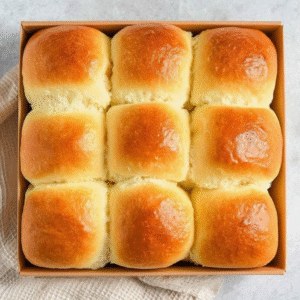
Creating Irresistibly Fluffy Dinner Rolls at Home
Ingredients
- 4 cups all-purpose flour
- 1 packet 2 ¼ tsp active dry yeast
- 1 tablespoon granulated sugar
- 1 teaspoon salt
- 1 ½ cups warm milk
- ½ cup unsalted butter melted
- 2 large eggs
Instructions
- Activate the yeast by combining it with warm milk and sugar.
- Combine flour, salt, and the yeast mixture.
- Add melted butter and eggs to the dough.
- Knead the dough until smooth.
- Let the dough rise in a greased bowl.
- Shape the rolls after the first rise.
- Allow the rolls to rise again.
- Preheat the oven and bake the rolls.
- Brush with melted butter before serving.
Notes
Additional serving suggestions: pair with a crisp salad, garlic bread, or roasted seasonal vegetables for balance.
For make-ahead, prep components separately and assemble just before heating to preserve texture.
Taste and adjust with acid (lemon/vinegar) and salt right at the end to wake up flavors.