Introduction
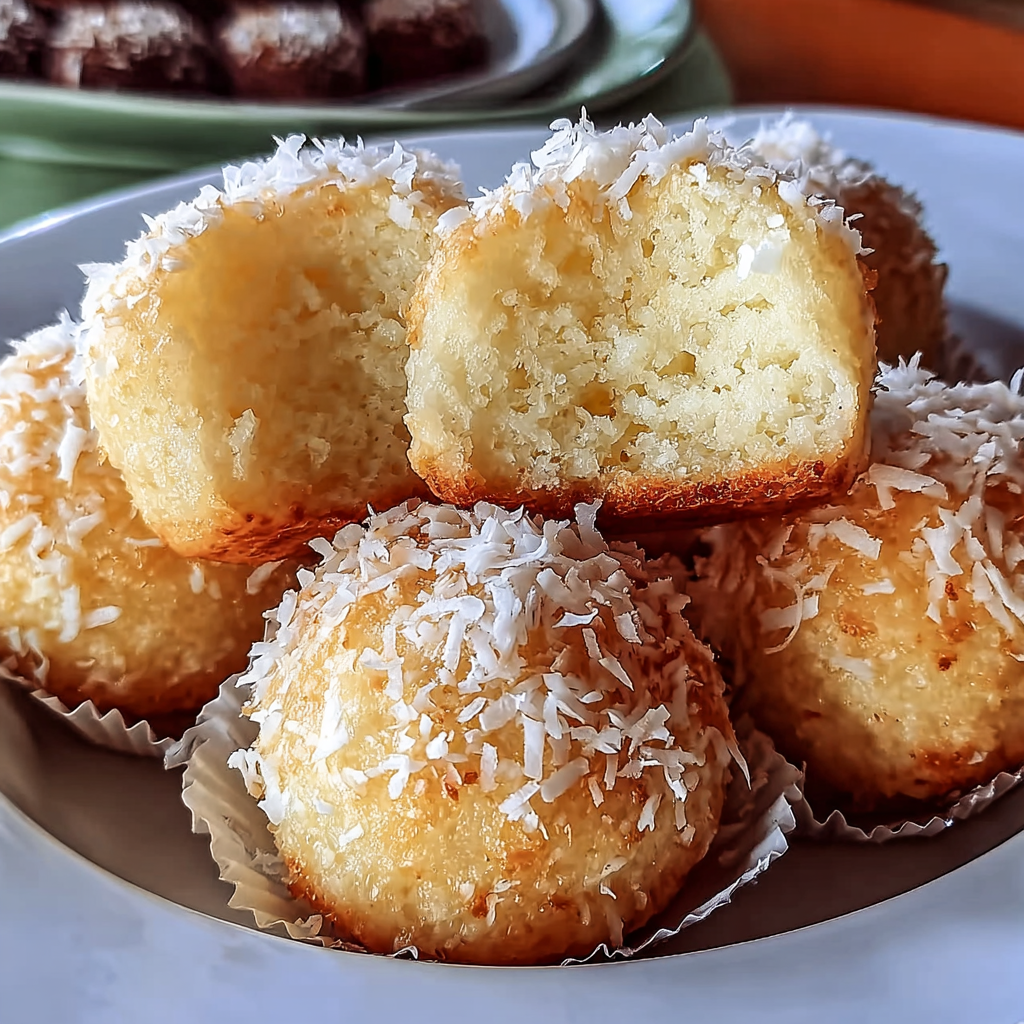
Portuguese coconut cakes, also known as bolo de coco, are a beloved treat that embodies the tropical essence of coconut while providing a rich, moist texture that keeps you coming back for more. This delightful dessert hails from the beautiful landscapes of Portugal, where fresh ingredients play a crucial role in crafting memorable flavors.
The cakes are traditionally enjoyed during celebrations, family gatherings, or simply as a delightful accompaniment to coffee. With a few accessible ingredients and simple techniques, you can bring these heavenly bites into your home kitchen, allowing your family and friends to indulge in a taste of Portuguese culture.
Ingredients
- 2 cups of shredded coconut
Shredded coconut is the star of this recipe, providing a natural sweetness and chewy texture that makes coconut cakes so irresistible. The coconut adds depth to the flavor profile while contributing moisture, ensuring a lovely soft crumb. - 1 cup of all-purpose flour
All-purpose flour serves as the foundation for your cakes, giving structure and stability to the final product. It balances the rich moisture from other ingredients, creating an ideal texture that's both light and satisfying. - 1 cup of sugar
Sugar not only sweetens the cakes but also helps in browning the exterior, creating a beautiful golden crust. It enhances the overall taste while contributing to the cake's moisture. - 4 large eggs
Eggs are essential in binding the ingredients together and providing lift during baking. They contribute richness and help achieve the desired light and fluffy texture, ensuring your cakes rise perfectly. - 1/2 cup of coconut milk
Coconut milk adds a creamy texture and enhances the coconut flavor profile. Its richness ensures the cakes stay moist and tender, making each bite a heavenly experience. - 1 tsp of baking powder
Baking powder serves as a leavening agent, creating the lift needed for the cakes to rise. The right amount of leavening ensures that the cakes are fluffy and not dense, providing the perfect mouthfeel. - 1/4 tsp of salt
Salt enhances all the flavors in the cake, balancing the sweetness and bringing out the natural coconut flavor. It also plays a vital role in the overall chemical reactions during baking. - 1 tsp of vanilla extract
Vanilla extract adds a warm, aromatic note to the cakes, enhancing the overall flavor profile. Its subtle sweetness complements the coconut without overpowering it.
Directions & Preparation
Step 1: Preheat the oven to 350°F (175°C) and grease the cake pans.
Preheating the oven is a crucial first step that ensures your cakes bake evenly and rise properly. Greasing the pans prevents sticking and helps achieve a clean release after baking, making for a more attractive presentation.
Step 2: In a large bowl, whisk together the eggs and sugar until pale and fluffy.
Whisking the eggs and sugar incorporates air into the mixture, which will help create a light, airy texture in your cakes. The color change indicates that you have achieved the right consistency necessary for a well-risen cake.
Step 3: Add the coconut milk and vanilla extract to the egg mixture, stirring until combined.
Incorporating the coconut milk adds moistness and enhances the coconut flavor in the batter. Mixing in the vanilla extract brings warmth to the dish, creating a balanced flavor that complements the sweetness of the coconut.
Step 4: In a separate bowl, combine the shredded coconut, flour, baking powder, and salt.
This step helps to ensure that the dry ingredients are evenly distributed, preventing clumping and ensuring a consistent texture in the final cakes. By mixing them separately, you create a well-integrated batter once combined with the wet ingredients.
Step 5: Gradually fold the dry mixture into the wet ingredients until just combined.
Folding is a gentle mixing technique that helps maintain the airiness created in the egg-sugar mixture. Overmixing can lead to a dense cake, so it's essential to stop mixing once the dry ingredients are incorporated, ensuring a tender crumb.
Step 6: Divide the batter evenly between the prepared cake pans.
Evenly distributing the batter helps ensure the cakes bake uniformly, leading to consistent rise and cooking times. Using a scale can help achieve accuracy if desired, ensuring that your cakes are of equal height.
Step 7: Bake for 25–30 minutes or until a toothpick inserted comes out clean.
Baking at the right temperature for the correct amount of time is essential for developing the right texture and flavor. Checking with a toothpick helps determine if the cakes are done, allowing you to avoid underbaking or overbaking.
Step 8: Allow the cakes to cool in the pans for 10 minutes before transferring to wire racks.
Cooling the cakes slightly in the pans helps them set, making them easier to handle without breaking. Transferring them to wire racks allows for even cooling, preventing sogginess and ensuring the ideal texture.
Step 9: Once cooled, frost as desired, or enjoy plain.
Deciding whether to frost or enjoy the cakes plain depends on your preference and occasion. A light coconut frosting can elevate the taste, while enjoying them plain allows the simple, rich flavors to shine through.

The Versatility of Coconut in Baking
Coconut isn't just a flavor; it’s a versatile ingredient that can transform any baked good. By incorporating shredded coconut, coconut milk, or even coconut cream, you can enhance both the taste and texture while keeping recipes on the lighter side. Whether in cakes, cookies, or bread, coconut brings a tropical flair that invites a sense of joy and celebration in every bite.
Coconut Cakes and Portuguese Traditions
In Portugal, coconut cakes hold a special place in both family and festive gatherings. These cakes are often made with love, passed down through generations as family recipes. Each bite carries not just flavors but also rich traditions that honor the vibrant culture and the joy of sharing a delightful treat with loved ones.
Elevating Your Coconut Cakes With Variations
While the traditional recipe is exquisite as it stands, exploring variations can take your coconut cakes to new heights. Incorporate flavors like lime zest for a citrus twist or a hint of almond extract for additional depth. Each adjustment allows for personal expression while still celebrating the essence of this beloved Portuguese treat.
FAQs
What can I do if the batter seems too thick?
If the batter appears too thick, adding an extra splash of coconut milk can help achieve the desired consistency. The batter should be thick yet pourable for optimal cake texture.
How can I ensure my cakes don’t dry out when baking?
Monitoring your baking time closely is key; using a toothpick to test for doneness prevents overbaking. Also, ensure you are using fresh ingredients and proper measurements to maintain moisture.
What flavors can I add to personalize my coconut cakes?
Consider incorporating spices like cinnamon or nutmeg, or add citrus zest for a fresh twist. You can also fold in chocolate chips or chopped nuts to elevate the cake’s flavor and texture.
Can I scale this recipe for a larger batch?
Absolutely! To scale the recipe, simply multiply the quantities by the desired number of servings, keeping in mind that larger cakes may require adjusting baking times slightly.
Why are my cakes sticking to the pans despite greasing?
If your cakes stick, it may be due to insufficient greasing or using a pan material that doesn't release easily. Ensure you grease well and consider dusting the pans with flour after greasing.
What should I do if my cakes are overcooked?
If the cakes are overcooked, they may feel dry and crumbly. To remedy this for future bakes, reduce the baking time slightly and always check only until the toothpick comes out clean.
Conclusion
Heavenly Portuguese coconut cakes are not only delicious but also a wonderful tribute to a culture rich in flavors and traditions. Incorporating tropical ingredients into your baking can create lasting memories with family and friends, making every gathering a little brighter.
As you explore this recipe, feel confident in experimenting with it to match your tastes while preserving the essence of this traditional treat. Enjoy the process and the blissful flavors that come from creating these delightful coconut cakes in your own kitchen.
Recipe Card

Delightful Portuguese Coconut Cakes for Home Bakers
Ingredients
- 2 cups of shredded coconut
- 1 cup of all-purpose flour
- 1 cup of sugar
- 4 large eggs
- 1/2 cup of coconut milk
- 1 tsp of baking powder
- 1/4 tsp of salt
- 1 tsp of vanilla extract
Instructions
- Preheat the oven to 350°F (175°C) and grease the cake pans.
- In a large bowl, whisk together the eggs and sugar until pale and fluffy.
- Add the coconut milk and vanilla extract to the egg mixture, stirring until combined.
- In a separate bowl, combine the shredded coconut, flour, baking powder, and salt.
- Gradually fold the dry mixture into the wet ingredients until just combined.
- Divide the batter evenly between the prepared cake pans.
- Bake for 25–30 minutes or until a toothpick inserted comes out clean.
- Allow the cakes to cool in the pans for 10 minutes before transferring to wire racks.
- Once cooled, frost as desired, or enjoy plain.
Notes
Additional serving suggestions: pair with a crisp salad, garlic bread, or roasted seasonal vegetables for balance.
For make-ahead, prep components separately and assemble just before heating to preserve texture.
Taste and adjust with acid (lemon/vinegar) and salt right at the end to wake up flavors.