Introduction
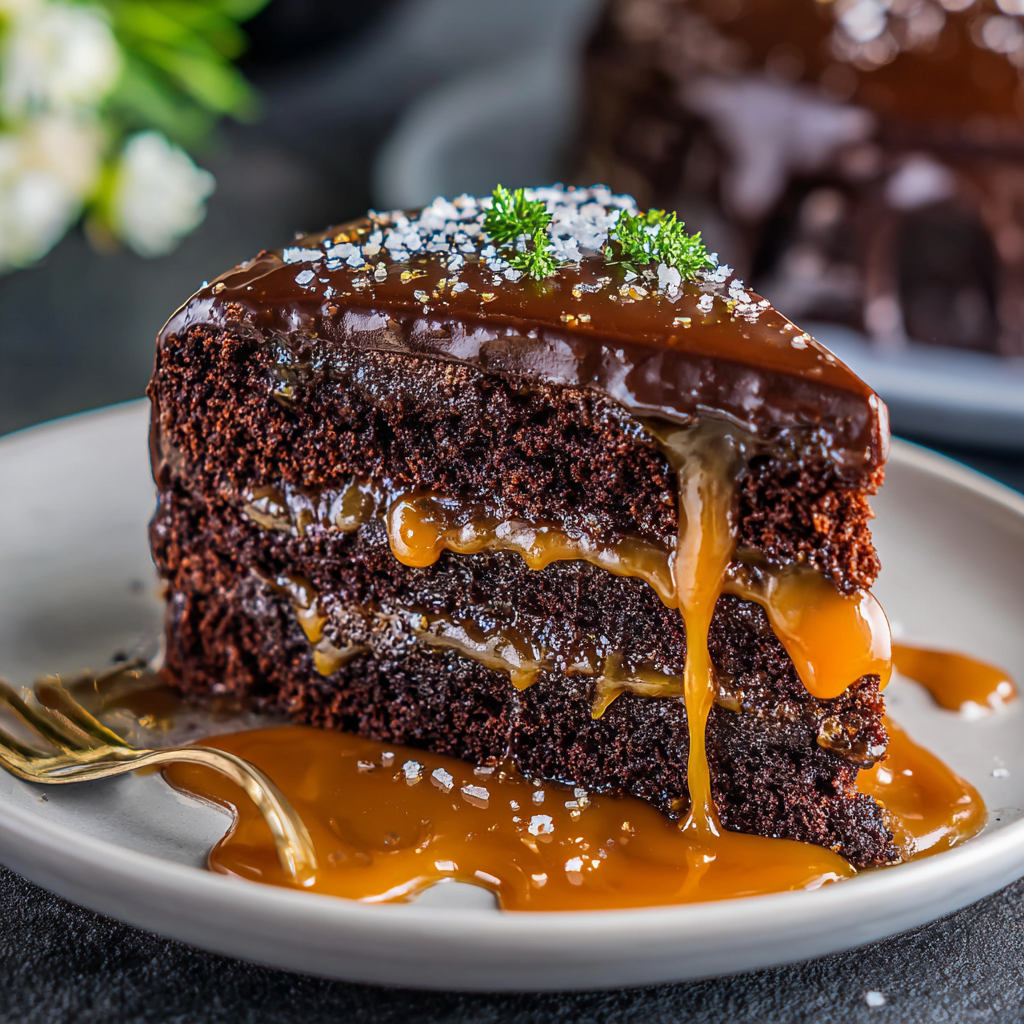
When you think of classic dessert staples, few can match the decadence of German Chocolate Cake. This treat isn’t just about chocolate; it encapsulates a delightful balance of flavors and textures, making each slice an experience to savor.
Originating from a unique blend of sweet chocolate and a coconut-pecan topping, this cake is far more than a mere chocolate indulgence. Its unique history, tied to an American named Samuel German, adds a layer of intrigue that elevates its status among dessert enthusiasts.
Baking a German Chocolate Cake at home is a rewarding venture, offering a sense of pride alongside the scrumptious outcome. Whether you’re celebrating a special occasion or simply indulging your sweet tooth, this cake promises to deliver satisfaction in every bite.
Ingredients
- 2 cups all-purpose flour
Flour forms the structure of the cake, providing the necessary gluten to give it a light but firm texture, ensuring it can hold up the layers and frosting. - 2 cups granulated sugar
Sugar not only sweetens the cake but also contributes to the moisture content. It helps create a tender crumb and enhances flavor. - 3/4 cup unsweetened cocoa powder
Cocoa powder provides that essential chocolate flavor and color. Unsweetened cocoa contrasts with the sweetness of cake, providing balance. - 1 1/2 teaspoons baking powder
Baking powder serves as a leavening agent, helping the cake rise to the desired fluffy consistency. It creates air pockets during baking. - 1 1/2 teaspoons baking soda
Similar to baking powder, baking soda aids in leavening but reacts with acidic ingredients in the batter. This promotes a lighter cake texture. - 1 teaspoon salt
Salt enhances the overall flavors of the cake, balancing sweetness and highlighting the chocolate notes. - 1 cup buttermilk
Buttermilk adds moisture and richness to the cake, while its acidity interacts with baking soda for a tender crumb. - 1 cup vegetable oil
Oil contributes to moisture and a dense, rich mouthfeel. Unlike butter, it creates a tender texture without any solidifying. - 2 large eggs
Eggs provide structure and moisture, acting as a binder. They also contribute to the rise as they help the batter create air when whipped. - 1 teaspoon vanilla extract
Vanilla enhances the overall flavor profile, adding depth and nuance that complements the other ingredients. - 1 cup boiling water
Boiling water is added to the batter to enhance cocoa's flavor. It helps dissolve cocoa and results in a more moist cake. - 1 1/2 cups sweetened shredded coconut
Coconut adds a chewy texture and a tropical flavor contrast to the rich chocolate, making the frosting unique and exciting. - 1 cup chopped pecans
Pecans provide crunch and nuttiness, enriching the frosting with additional depth. Their earthy flavor pairs beautifully with chocolate. - 1/2 cup evaporated milk
Evaporated milk adds creaminess to the frosting, enhancing its smoothness and ensuring a rich, luscious texture. - 1 cup powdered sugar
Powdered sugar is used in the frosting for sweetness and produces a smooth texture without the grittiness of granulated sugar.
Directions & Preparation
Step 1: Preheat the oven and prepare cake pans.
Preheating your oven ensures consistent baking temperatures, crucial for achieving the perfect texture. Greasing and flouring the cake pans prevents sticking, allowing for a clean release once baked.
Step 2: Mix dry ingredients together.
Combining flour, cocoa powder, baking powder, baking soda, and salt in a separate bowl ensures even distribution of leavening agents. This step is key in preventing any uneven rising during baking.
Step 3: Combine wet ingredients and mix well.
Whisking together the buttermilk, oil, eggs, and vanilla not only blends flavors but also introduces air into the batter, contributing to a light cake. Incorporating these liquids correctly is essential for a uniform texture.
Step 4: Combine wet and dry mixtures.
Merging the wet and dry ingredients creates your cake batter. Mix just until combined to avoid overworking the batter, which can yield a dense texture instead of a light, airy cake.
Step 5: Add boiling water to the batter.
Incorporating boiling water helps dissolve the cocoa fully, enhancing the chocolate flavor. The hot liquid also contributes to the overall moisture of the cake, ensuring a tender crumb.
Step 6: Divide the batter into prepared pans and bake.
Evenly distributing the batter ensures uniform baking. Monitoring the cakes closely as they bake is important; an overcooked cake will dry out while an undercooked one will lack structure.
Step 7: Prepare the coconut-pecan frosting.
Cooking the frosting ingredients on the stovetop allows for the sugar to dissolve and flavors to meld. This step is crucial for the frostings' creamy consistency, ensuring it spreads easily on the cooled cake.
Step 8: Cool the cakes and frost them.
Allowing the cakes to cool prevents the frosting from melting and ensures it adheres properly without sliding off. Proper assembly is key to presenting a beautiful layered cake.
Step 9: Garnish and serve the cake.
Decorating the cake with additional coconut and pecan enhances presentation and flavor, inviting anticipation for the first bite. Proper slicing ensures each piece showcases the rich layers.
The History Behind German Chocolate Cake
German Chocolate Cake, despite its name, has no direct ties to Germany. The cake is named after an American named Samuel German who developed a dark-baking chocolate in the 19th century. This chocolate, known as 'Baker's German's Sweet Chocolate,' inspired the creation of the cake, leading to its unique flavor that combines sweet chocolate with the richness of coconut and nuts.
Balancing Textures in Your Cake
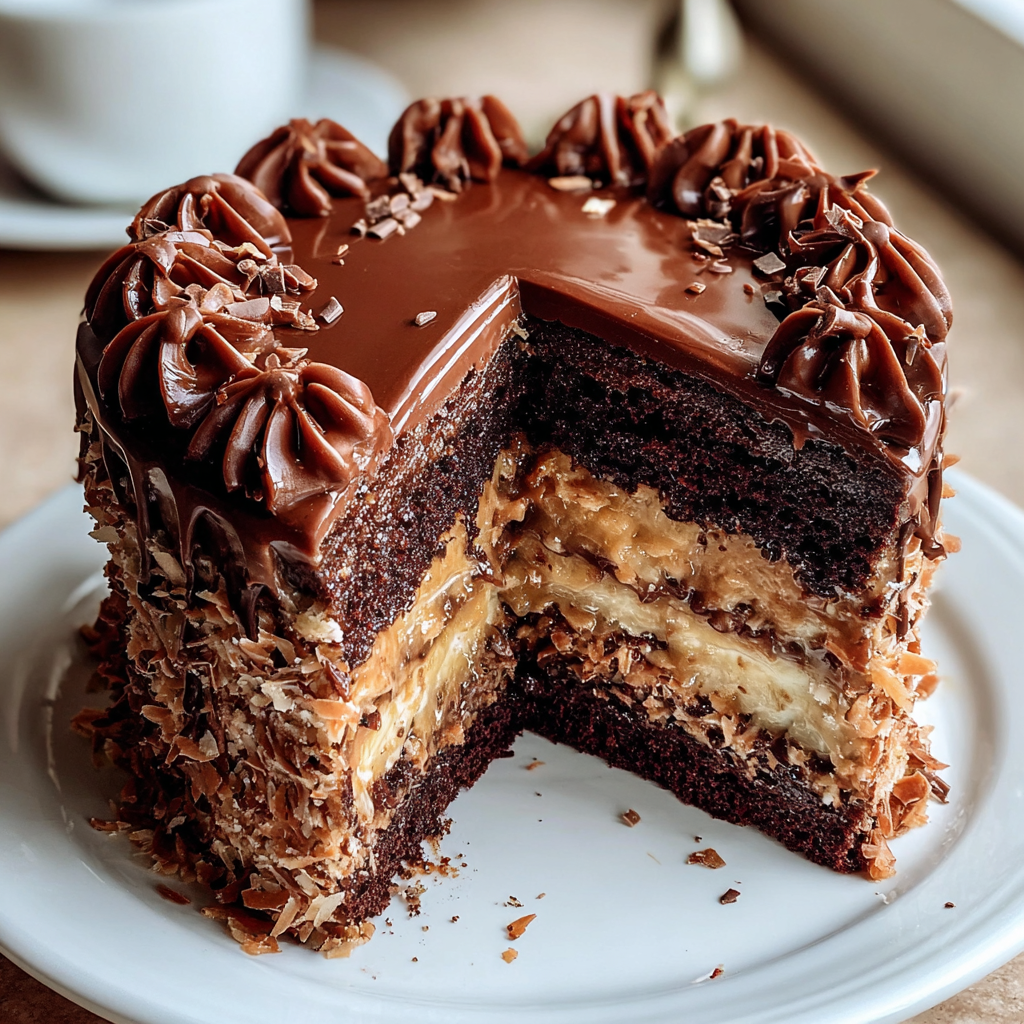
One of the standout features of a German Chocolate Cake is its contrasting textures. The soft, moist layers of chocolate cake juxtapose the luscious, chewy coconut-pecan frosting. This balance is achieved not just through the ingredients but also in the preparation. Ensuring that both components are perfectly crafted results in an irresistible dessert that delights with every bite.
Perfect Pairings for Your Cake
Pairing beverages with your German Chocolate Cake heightens the overall experience. Consider serving it with rich coffees or a glass of milk for a comforting blend. For lighter options, a sweet dessert wine or an ice-cold glass of iced tea can provide a refreshing contrast, highlighting the cake's sweetness while complementing its rich flavors.
FAQs
What if my cake batter is too thick?
If your batter seems too thick, consider adding a bit more buttermilk or boiling water to loosen it. Be careful not to make it too runny; a thick batter is essential for a good rise.
Why does my frosting taste bland?
If your frosting lacks flavor, ensure you’ve added enough vanilla and consider a pinch of salt to enhance sweetness. Balancing sweet and salty can make the flavors pop.
How can I adjust the recipe for a smaller cake?
To create a smaller cake, halve the ingredient quantities. Ensure you adjust the baking time as smaller portions often bake quicker.
What should I do if my cake layers are uneven?
If your layers turn out uneven, you can level them with a serrated knife before frosting. This will create a more aesthetically pleasing cake.
Can I use different nuts instead of pecans?
Certainly! If pecans aren't available, walnuts or almonds can provide a great texture and flavor. Just ensure they are finely chopped.
How do I make my frosting thicker?
If your frosting is too runny, gradually mix in more powdered sugar until you reach your desired consistency. This will thicken the frosting while maintaining sweetness.
Why did my cake collapse in the middle?
A cake collapse can occur for several reasons, primarily due to underbaking or opening the oven door too early. Ensure proper baking times and temperatures.
Can I use a different type of milk in the frosting?
Yes, you can substitute evaporated milk with whole milk or cream, though this may slightly alter the final texture and richness of the frosting.
Conclusion
Baking a German Chocolate Cake is both an art and a science, combining rich history with delightful flavor. By understanding each ingredient's role and the importance of each step, you can create a stunning cake that will impress friends and family alike.
As you relish the sweet, chewy coconut and nut frosting atop rich chocolate, you’ll appreciate the love and effort put into making this classic dessert. It’s the perfect treat for any occasion, proving that baking can be both fulfilling and delicious.
Recipe Card
Decadent Chocolate Coconut Cake with Frosting
Ingredients
- 2 cups all-purpose flour
- 1 ¾ cups granulated sugar
- ¾ cup unsweetened cocoa powder
- 1 ½ teaspoons baking powder
- 1 ½ teaspoons baking soda
- 1 teaspoon salt
- 2 large eggs
- 1 cup whole milk
- ½ cup vegetable oil
- 2 teaspoons vanilla extract
- 1 cup shredded coconut
- 1 cup unsweetened cocoa powder for frosting
- ½ cup unsalted butter softened
- 3 cups powdered sugar
- 3 –4 tablespoons whole milk for frosting
Instructions
- Preheat the oven to 350°F (175°C) and prepare the cake pans.
- In a large mixing bowl, combine the dry ingredients: flour, sugar, cocoa powder, baking powder, baking soda, and salt.
- In another bowl, whisk together the eggs, milk, oil, and vanilla extract.
- Gradually add the wet ingredients to the dry ingredients, mixing until combined, then fold in the shredded coconut.
- Pour the batter evenly into prepared cake pans and bake for 30-35 minutes.
- While the cakes cool, prepare the chocolate frosting.
- Beat the softened butter until creamy, then gradually mix in powdered sugar and cocoa powder.
- Add milk to achieve the desired frosting consistency.
- Once the cakes are completely cooled, frost the top of one layer, place the second layer on top, then frost the top and sides.
- Decorate with additional shredded coconut if desired.
- Slice, serve, and enjoy your homemade chocolate coconut cake.
Notes
Additional serving suggestions: pair with a crisp salad, garlic bread, or roasted seasonal vegetables for balance.
For make-ahead, prep components separately and assemble just before heating to preserve texture.
Taste and adjust with acid (lemon/vinegar) and salt right at the end to wake up flavors.