Introduction
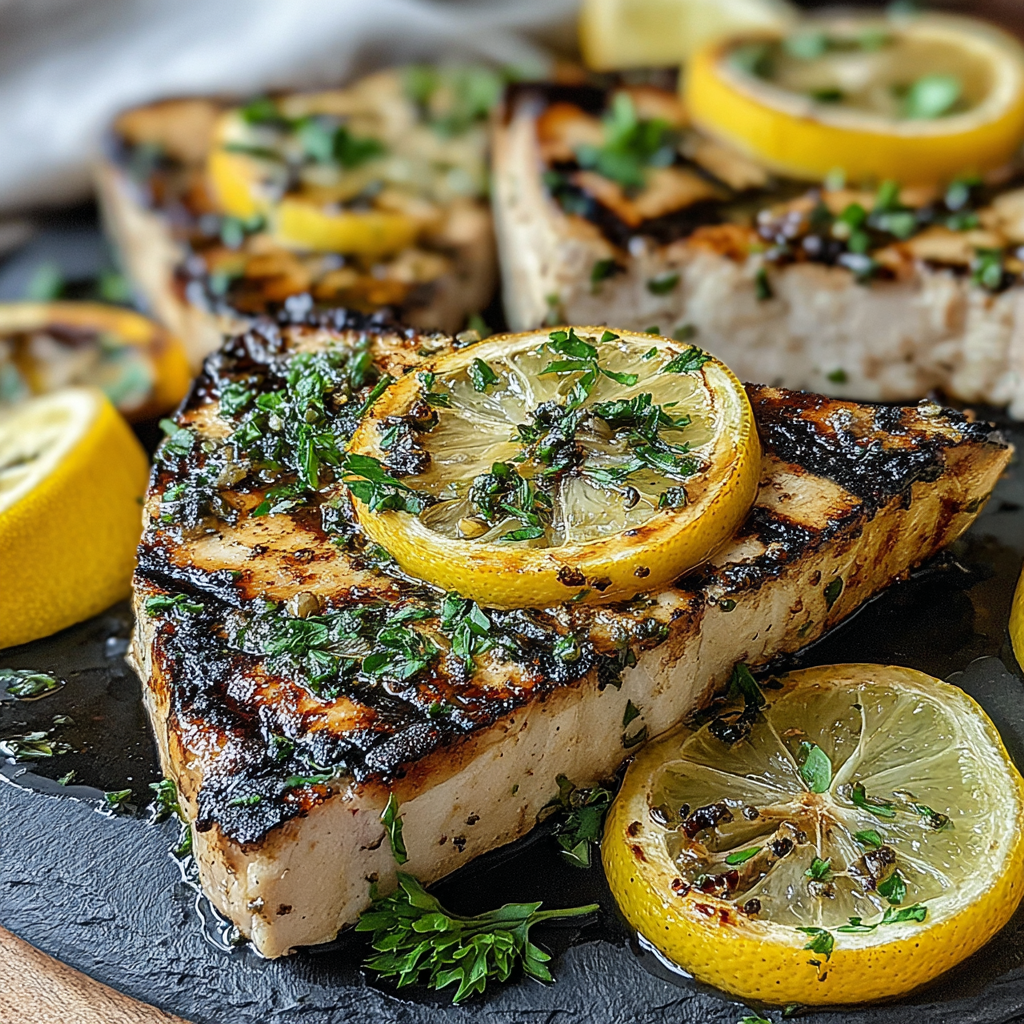
Swordfish is a delightfully meaty fish that grill beautifully, making it an excellent choice for any outdoor cook. Known for its firm texture and mild flavor, it can easily stand up to a variety of marinades and seasonings, ensuring every bite is memorable.
When grilling swordfish, the right preparation can turn a simple meal into a culinary experience. It’s important to balance the natural flavor of the fish with appropriate seasonings, so let’s dive into the ingredients and techniques that will bring your swordfish to perfection.
Ingredients
- 2 (6-ounce) swordfish steaks
Swordfish is high in protein and provides a firm texture ideal for grilling. Its rich flavor complements both simple seasoning and bold marinades. - 2 tablespoons olive oil
Olive oil helps to keep the swordfish moist while grilling and adds a layer of flavor. It also aids in achieving a beautiful sear. - 2 tablespoons lemon juice
Lemon juice brightens the dish with acidity, balancing the richness of the fish. It also helps tenderize the meat, enhancing its flavor. - 2 cloves garlic, minced
Garlic offers a foundation of flavor to your marinade, infusing the swordfish with a robust savoriness that pairs well with its natural taste. - 1 teaspoon salt
Salt enhances the flavor of the fish, bringing out its natural taste and ensuring a well-seasoned dish. - 1/2 teaspoon black pepper
Freshly ground black pepper adds a subtle heat that complements the sweetness of the fish without overpowering it. - 1 teaspoon fresh thyme, chopped
Thyme contributes a earthy, aromatic quality that enhances the overall flavor profile, adding depth to the dish.
Directions & Preparation
Step 1: Prepare the marinade by mixing olive oil, lemon juice, garlic, salt, pepper, and thyme in a bowl.
Creating the marinade is the foundation of flavor for your swordfish. By combining these ingredients, you're not only marinating the fish but also allowing the flavors to meld. The oil acts as a carrier for the flavors, while the acid from lemon juice aids in breaking down the proteins in the fish, resulting in a tender outcome.
Step 2: Place the swordfish steaks in a shallow dish and pour the marinade over them, ensuring they are well-coated.
Coating the swordfish in the marinade allows the fish to absorb all the flavors before grilling. Letting it marinate for at least 30 minutes can enhance the taste significantly. If time permits, longer marination up to two hours can infuse even more flavor, just be cautious to avoid over-marinating which could make the fish too soft.
Step 3: Preheat your grill to medium-high heat and lightly oil the grates to prevent sticking.
Preheating the grill is crucial as it ensures that the swordfish gets a nice sear, which locks in juices and enhances flavors through caramelization. Lightly oiling the grates will help to prevent the fish from sticking and makes flipping easier.
Step 4: Remove the swordfish from the marinade, allowing excess to drip off, and place it on the grill.
Excess marinade can drip off onto the grill and cause flare-ups, which could burn the fish. Placing the swordfish on the grill with careful spacing helps in achieving even cooking, allowing air circulation and preventing steaming.
Step 5: Grill the swordfish for 5-6 minutes on each side, or until it reaches an internal temperature of 145°F.
Timing is critical to avoid overcooking – swordfish can easily dry out if grilled for too long. The internal temperature is a knowledgeable cue; when it reaches 145°F, the fish is appropriately cooked. It should flake easily with a fork when done.
Step 6: Remove the swordfish from the grill and let it rest for a few minutes before serving.
Resting allows the juices to redistribute within the fish, resulting in a more succulent final product. This step is often overlooked, but even a few minutes can make a significant difference in taste and texture.
Choosing Perfect Swordfish Steaks
When selecting swordfish at the market, opt for steaks that are firm to the touch and have a fresh ocean smell. Look for steaks with a translucent, light pink color, which indicates freshness. Avoid any steaks that appear dull or have a strong fishy odor, as this can be a sign of spoilage. Cooking with the freshest swordfish enhances the flavor and overall experience.
Transforming Marinades for Variety
Experimenting with different marinades can elevate your swordfish to new heights. Consider adding herbs like dill or parsley for a fresh twist, or spices such as paprika for a smoky depth. Teriyaki sauce or a balsamic glaze can introduce an international flair. The key is to balance flavors—rich, bright, and herbaceous—while letting the natural taste of the fish shine.
Pairing Swordfish with Side Dishes
Swordfish pairs wonderfully with light, refreshing sides. A crisp summer salad with mixed greens, cherry tomatoes, and a citrus vinaigrette complements the richness of the fish. Grilled vegetables, like asparagus or zucchini, also work beautifully, as they can absorb some smoky flavors from the grill. Consider a tangy coleslaw or a quinoa pilaf for added texture and nutrition.
FAQs
What if my swordfish steaks are overcooked?
If the swordfish is juiceless and dry, consider serving it with a sauce or topping such as a fresh salsa or yogurt-based dressing to add moisture and enhance flavor.
Can I scale this recipe for a larger group?
Yes, you can easily double or triple the ingredients while maintaining the same marinating and cooking techniques. Just ensure your grill has enough space for the steaks to cook evenly.
What if I don't have fresh thyme?
Dried thyme can be used instead; opt for about one-third of the amount as dried herbs are more concentrated in flavor. Mix it into the marinade just as you would with fresh.
How do I know if the swordfish is properly cooked?
The best way to check doneness is by using an instant-read thermometer; the fish should reach an internal temperature of 145°F. Additionally, it should visually flake easily with a fork.
Is there a way to add more flavor to my grilled swordfish?
Try adding a flavorful crust by sprinkling additional spices or breadcrumbs on the fish just before it's finished grilling. This adds texture and flavor.
Can I substitute swordfish with another fish?
Yes, other firm fish like mahi-mahi or tuna can be used as substitutes. Be mindful that cooking times may vary slightly depending on the thickness and type of fish.
Conclusion
Grilling swordfish is a rewarding experience, revealing a luscious fish that is easy to prepare and cook. With simple ingredients and dedicated care, you can craft a dish that highlights the best of fresh seafood.
Encourage creativity in your preparations and side pairings, allowing the dish to reflect your personal taste. The next time you fire up the grill, let swordfish shine as the star of the show.
Recipe Card
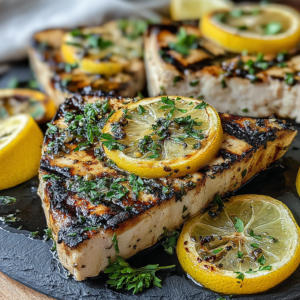
Elevate Your Grilling Game with Swordfish
Ingredients
- 2 6-ounce swordfish steaks
- 2 tablespoons olive oil
- 2 tablespoons lemon juice
- 2 cloves garlic minced
- 1 teaspoon salt
- 1/2 teaspoon black pepper
- 1 teaspoon fresh thyme chopped
Instructions
- Prepare the marinade by mixing olive oil, lemon juice, garlic, salt, pepper, and thyme in a bowl.
- Place the swordfish steaks in a shallow dish and pour the marinade over them, ensuring they are well-coated.
- Preheat your grill to medium-high heat and lightly oil the grates to prevent sticking.
- Remove the swordfish from the marinade, allowing excess to drip off, and place it on the grill.
- Grill the swordfish for 5-6 minutes on each side, or until it reaches an internal temperature of 145°F.
- Remove the swordfish from the grill and let it rest for a few minutes before serving.
Notes
Additional serving suggestions: pair with a crisp salad, garlic bread, or roasted seasonal vegetables for balance.
For make-ahead, prep components separately and assemble just before heating to preserve texture.
Taste and adjust with acid (lemon/vinegar) and salt right at the end to wake up flavors.