Introduction
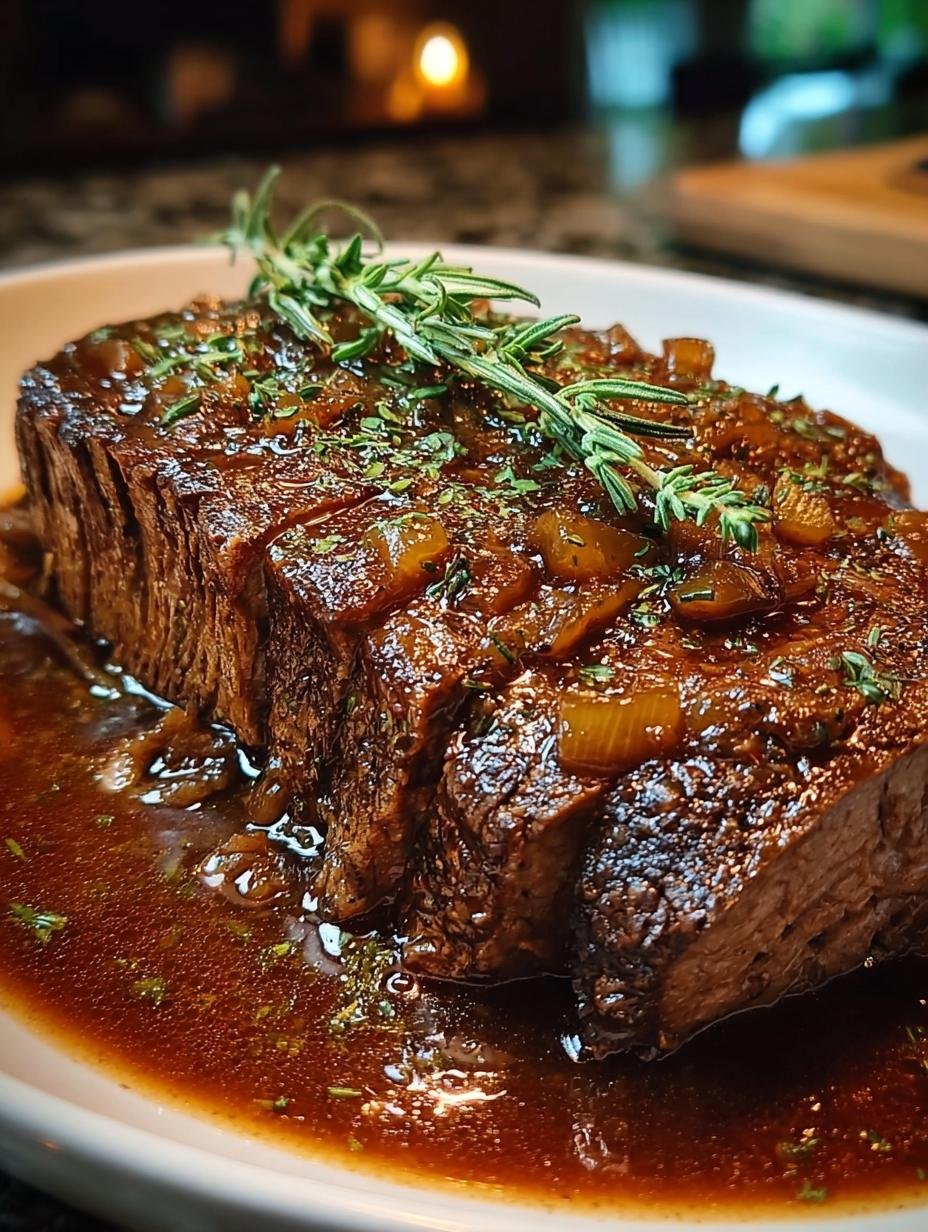
Slow cooking is a game changer for any home cook looking to infuse flavor and tenderness into their meals with minimal effort. One standout dish perfect for gatherings or a cozy family dinner is balsamic beef roast. This dish not only fills the home with an irresistible aroma but also yields a delectably tender roast that practically melts in your mouth.
The unique blend of balsamic vinegar and brown sugar creates a rich, tangy glaze that complements the beef beautifully. The slow cooker does all the heavy lifting, allowing you to enjoy your day while dinner simmers away. Whether served alongside mashed potatoes or a light salad, this roast is sure to impress.
Ingredients
- 3-4 lbs beef roast
A well-marbled roast, like chuck or brisket, is ideal for slow cooking as it breaks down and becomes tender over long cooking times. The fat and connective tissue within the meat enhance flavor and juicy texture. - 1 cup balsamic vinegar
Balsamic vinegar provides a distinct tangy sweetness that enhances the overall flavor of the beef while helping to tenderize it during the cooking process. - 1/2 cup beef broth
The beef broth adds an extra depth of flavor and moisture to the dish, ensuring the meat stays juicy and absorbs all the wonderful flavors from the other ingredients. - 1/4 cup brown sugar
Brown sugar gives a rich sweetness that balances the acidity of the balsamic vinegar, creating a delicious glaze that beautifully coats the beef. - 4 cloves garlic, minced
Garlic infuses the dish with a savory aroma and flavor that complements the sweetness of the roast. It enhances the overall profile without overpowering the dish. - 1 tablespoon Worcestershire sauce
This sauce adds an umami depth to the roast, enhancing the savory aspects of the beef while adding complexity to the overall flavor. - 1 teaspoon dried thyme
Thyme provides a subtle earthiness that pairs well with the richness of the beef and balances the sweeter elements. It elevates the aromatic profile. - Salt and pepper to taste
Essential for seasoning, salt and pepper are crucial in enhancing the flavors of all the other ingredients and ensuring the roast is well-balanced. - Fresh parsley for garnish
Parsley adds a fresh, vibrant touch to the dish, bringing color and a burst of flavor that contrasts beautifully with the richness of the beef.
Directions & Preparation
Step 1: Season the beef roast with salt and pepper.
Seasoning the beef with salt and pepper before cooking is vital. This step ensures that the roast is flavorful from the inside out. The salt helps to draw out moisture and create a flavorful crust when the roast cooks, enhancing the overall taste.
Step 2: In a bowl, mix together the balsamic vinegar, beef broth, brown sugar, minced garlic, Worcestershire sauce, and dried thyme.
Combining these ingredients creates a powerful marinade that will soak into the meat throughout the cooking process. This step ensures an even distribution of flavor, allowing the beef to absorb the tangy-sweet essence of the balsamic vinegar and the savory notes of the broth.
Step 3: Place the beef roast in the slow cooker and pour the balsamic mixture over it.
Positioning the roast correctly in the slow cooker ensures it cooks evenly. By pouring the balsamic mixture over the roast, the meat is coated thoroughly, allowing the flavors to penetrate deeply during cooking.
Step 4: Cover and cook on low for 8 hours or until the beef is tender.
Cooking on low heat allows the collagen in the beef to break down gradually, leading to an incredibly tender roast. It’s essential to keep the lid on during cooking to maintain moisture and heat, ensuring the beef cooks perfectly.
Step 5: Once cooked, remove the beef and let it rest before slicing.
Resting the roast allows the juices to redistribute throughout the meat, preventing it from drying out when sliced. This step is crucial for ensuring each piece is moist and flavorful.
Step 6: Serve with the sauce and garnish with fresh parsley.
Serving the roast with the reduced sauce enhances the flavor experience. Garnishing with fresh parsley not only adds color but also refreshes every bite, cutting through the richness of the dish and giving it a polished, inviting look.
The Science Behind Slow Cooking Beef
Slow cooking utilizes low temperatures to effectively break down tough cuts of beef, transforming them into tender, flavorful dishes. The extended cooking time allows collagen in the meat to dissolve into gelatin, giving the roast a rich texture. Moreover, the specific combination of ingredients like balsamic vinegar and brown sugar creates a complex flavor profile that develops even further during the slow cooking process.
Pairing Suggestions for Balsamic Beef Roast
When it comes to side dishes, balsamic beef roast pairs beautifully with earthy options like mashed potatoes or roasted root vegetables that can soak up the delicious gravy. A crisp green salad with a light vinaigrette can also provide contrast, balancing the richness of the roast. Wine lovers may enjoy this dish with a full-bodied red wine, such as Cabernet Sauvignon, which complements the deep flavors of the beef.
Storing and Reheating Leftovers
If you have any leftovers, storing them properly is crucial for maintaining flavor and texture. Let the roast cool before transferring it to an airtight container. When reheating, consider using a low oven or stovetop with a splash of beef broth to retain moisture. This prevents the beef from becoming tough or dry, allowing you to enjoy the mouthwatering taste of balsamic beef roast even the next day.
FAQs
What if my balsamic beef roast turns out too thick?
If the sauce is too thick, simply add a little beef broth or water, stirring to incorporate until you reach your desired consistency.
How can I add more depth to the flavor of the roast?
Consider adding additional herbs like rosemary or bay leaves to the cooking liquid, or incorporating vegetables like onions and carrots for more complexity.
Can I use a different cut of beef for this recipe?
Yes! Cuts such as eye of round or sirloin may work, but keep in mind they might not be as tender without the extended slow cooking time.
What if my beef roast turns out dry?
Dryness is often a sign of overcooking. Ensure your slow cooker is set to the correct temperature, and use a meat thermometer to check for doneness.
Can I make this recipe in a pressure cooker instead?
Definitely! You can adapt this recipe for a pressure cooker; cooking times will significantly decrease, so refer to your pressure cooker guidelines.
What should I do if the sauce is too acidic?
If the flavor is too sharp from the balsamic, balance it with a bit more brown sugar or honey to add sweetness and reduce acidity.
Conclusion
Mouthwatering slow cooker balsamic beef roast is more than just a meal; it’s an experience of rich flavors and comforting aromas that warms the soul. By allowing the slow cooker to do its magic, you unlock a depth of taste that’s perfect for any occasion or family gathering.
As you prepare this delectable dish, remember to savor not only the flavors but also the joyful moments shared around the dinner table. With minimal effort and big payoff, this roast is sure to become a requested favorite in your household.
Recipe Card
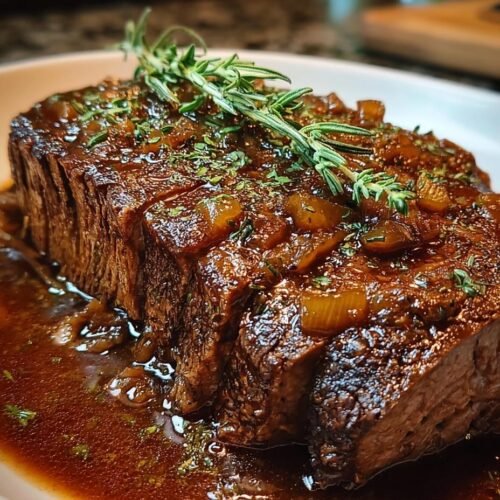
Mouthwatering Slow Cooker Balsamic Beef Roast
Ingredients
- 3-4 lbs beef roast
- 1 cup balsamic vinegar
- 1/2 cup beef broth
- 1/4 cup brown sugar
- 4 cloves garlic minced
- 1 tablespoon Worcestershire sauce
- 1 teaspoon dried thyme
- Salt and pepper to taste
- Fresh parsley for garnish
Instructions
- Season the beef roast with salt and pepper.
- In a bowl, mix together the balsamic vinegar, beef broth, brown sugar, minced garlic, Worcestershire sauce, and dried thyme.
- Place the beef roast in the slow cooker and pour the balsamic mixture over it.
- Cover and cook on low for 8 hours or until the beef is tender.
- Once cooked, remove the beef and let it rest before slicing.
- Serve with the sauce and garnish with fresh parsley.
Notes
Additional serving suggestions: pair with a crisp salad, garlic bread, or roasted seasonal vegetables for balance.
For make-ahead, prep components separately and assemble just before heating to preserve texture.
Taste and adjust with acid (lemon/vinegar) and salt right at the end to wake up flavors.