Introduction
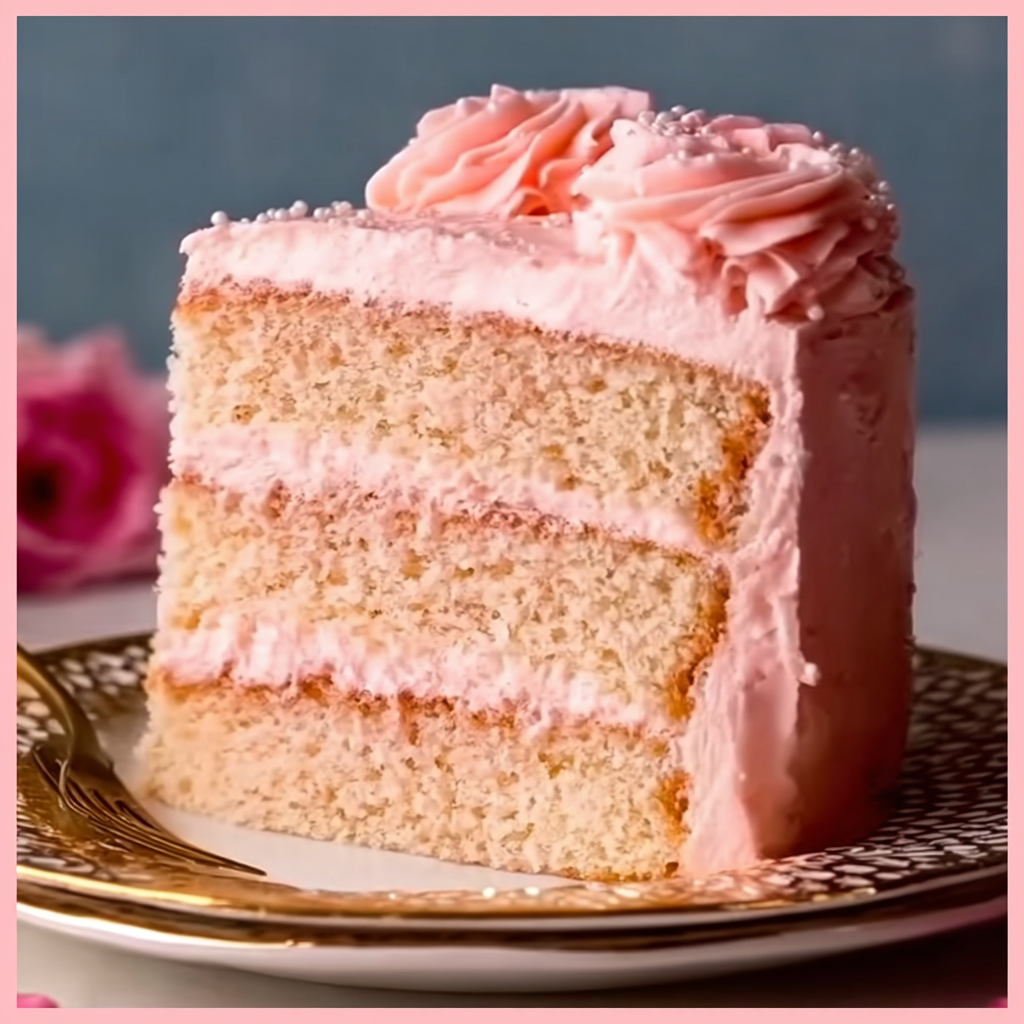
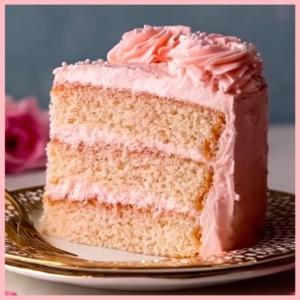
When you think of celebratory desserts, the Pink Champagne Cake stands out as a stunning choice. This delightful cake pairs the lightness of champagne with a moist, tender crumb, perfect for any festive occasion. The light pink hue, aided by the champagne, gives it an elegant touch, while the creamy pink frosting adds a decadent finish.
Baking this cake is not only a treat for the taste buds but also for the eyes. Layered and frosted, it becomes a centerpiece for birthday parties, weddings, or just because you want to celebrate life. The combination of flavors and colors will impress your guests and leave them asking for more.
Ingredients
- 2 cups all-purpose flour
All-purpose flour provides structure and stability to the cake, ensuring it holds its shape as it rises. The protein content strikes a balance between tender crumb and sufficient strength. - 1 ½ cups granulated sugar
Sugar not only sweetens the cake but also aids in browning and enhancing moisture retention. It contributes to the cake's overall texture, creating a soft and tender bite. - ½ cup unsalted butter, softened
Butter adds richness and flavor to the cake. Its fat content contributes to the cake's moistness, while the creaming process introduces air for a lighter texture. - 1 cup pink champagne, at room temperature
Using pink champagne infuses the cake with a subtle, fruity flavor and adds moisture. The bubbles in the champagne also help to create a light and airy crumb. - 1 cup buttermilk, at room temperature
Buttermilk provides acidity, which helps tenderize the flour proteins for a softer texture. It also enhances flavor, making the cake more complex. - 3 large eggs, at room temperature
Eggs are essential for binding the ingredients together and providing structure to the cake. They also add moisture and depth of flavor. - 1 tablespoon baking powder
Baking powder is a leavening agent that helps the cake rise. It works by producing carbon dioxide when it reacts with the moisture and acids in the batter. - ½ teaspoon salt
Salt balances sweetness and enhances the overall flavor profile of the cake. It also strengthens the gluten structure for better texture. - 2 cups powdered sugar
Powdered sugar is used for the frosting, providing sweetness and a smooth texture. It dissolves easily, ensuring a creamy consistency without graininess. - 1 cup unsalted butter, softened (for frosting)
Similar to the cake, butter in the frosting provides a rich flavor and creamy texture. It helps create a stable base for adding other flavors like vanilla and champagne. - 2 tablespoons pink champagne (for frosting)
Adding champagne to the frosting not only enhances its flavor but also ties the overall dessert together, creating harmony between the cake and its sweet topping. - A few drops of pink food coloring (optional)
Food coloring is optional but helps achieve a vibrant pink hue in the frosting. It allows for customization according to the desired intensity of color.
Directions & Preparation
Step 1: Preheat your oven to 350°F (175°C) and prepare three 8-inch round cake pans.
Preheating the oven is crucial to achieving the right texture for your cake. By starting at a high temperature, it allows the cake batter to rise effectively as soon as it hits the warmth, resulting in a fluffy cake. Make sure to grease and flour your pans to prevent sticking.
Step 2: In a large mixing bowl, cream together the softened butter and granulated sugar until light and fluffy.
Creaming the butter and sugar incorporates air into the mixture, which is essential for a light and fluffy cake. The texture should change to a pale color and increase in volume, a sign that the mixture is ready for the next step.
Step 3: Add the eggs, one at a time, ensuring each is fully incorporated before adding the next.
Incorporating the eggs gradually helps maintain emulsification, ensuring that the fat (from butter) and liquid ingredients mix well. This step also contributes to the cake's structure and moisture, leading to a more tender final product.
Step 4: Mix in the pink champagne and buttermilk until everything is well combined.
This step introduces the primary flavors to the cake. Mixing well ensures even distribution of the champagne and buttermilk, which contribute to both moisture and flavor. The result should be a smooth batter without lumps.
Step 5: Sift together the flour, baking powder, and salt, then gradually add this dry mixture to the wet ingredients.
Sifting the dry ingredients aerates them and removes any lumps, ensuring smooth integration into the batter. Gradually adding the flour mixture prevents overmixing, which can develop gluten and lead to a dense cake.
Step 6: Divide the batter evenly among the prepared cake pans.
Evenly dividing the batter guarantees that the cakes will bake uniformly, resulting in consistent heights and textures. Use a kitchen scale for precise measurement or a spatula to spread the batter evenly.
Step 7: Bake in the preheated oven for 25 to 30 minutes or until a toothpick comes out clean.
Monitoring the baking time is essential to prevent overbaking, which can dry out the cake. The toothpick test is a reliable method—if it comes out clean, the cake is ready to be removed from the oven.
Step 8: Allow the cakes to cool in the pans for 10 minutes before transferring to a wire rack.
Cooling in the pans helps the cakes set, making them easier to remove. The wire rack allows airflow on all sides, preventing sogginess and ensuring they cool completely before frosting.
Step 9: While the cakes cool, prepare the frosting by creaming the butter until smooth, then gradually add the powdered sugar.
Creaming the butter first ensures a smooth base for the frosting; adding the powdered sugar gradually allows for better control of texture and sweetness. This method prevents the frosting from being too grainy or excessively sweet.
Step 10: Mix in the pink champagne and a few drops of food coloring, if desired, until combined.
This step not only enriches the flavor of the frosting with champagne but also allows you to achieve the vibrant pink hue you desire. Ensure it is mixed well for an even color and flavor throughout.
Step 11: Once the cakes are completely cooled, place one layer on a serving plate, spread a layer of frosting, and repeat with remaining layers.
Assembling the cake calls for care to ensure the layers stay aligned. Use a generous amount of frosting between layers to enhance taste and moisture. Spreading it evenly helps to create a balanced flavor in every bite.
Step 12: Frost the top and sides of the cake with the remaining frosting.
Frosting the outer layers gives the cake its signature smooth finish and visual appeal. Use a cake spatula for an even coating, and consider decorative techniques to elevate the presentation, such as swirling or additional garnishes.
Step 13: Refrigerate the cake for at least 30 minutes to set the frosting before serving.
Chilling the frosted cake helps set the frosting, making it easier to cut and serve without smudging. This step allows the flavors to meld together, enhancing the overall taste experience.
The Role of Champagne in Baking
Incorporating champagne into baked goods is not merely for flavor; it can transform the texture and moisture of the cake. The carbonation introduces air bubbles, creating a lighter structure. Moreover, the unique note of the champagne elevates the cake's taste profile, making it a memorable dessert. It's an elegant twist that celebrates occasions and elevates your baking to a sophisticated level.
Choosing the Right Food Coloring
When it comes to adding color to your frosting, not all food colorings are created equal. Gel food coloring is a popular choice for its potency—just a small amount can produce vibrant results without altering the frosting's texture. Liquid colors can thin the frosting, which is why gel is favored for cakes like this. Experimenting with various shades can help you achieve the exact hue that complements your occasion beautifully.
Perfect Pairings to Complement Your Cake
This Pink Champagne Cake pairs wonderfully with fresh fruits like strawberries and raspberries. Their tartness balances the sweetness of the cake, while their color presentation enhances the overall visual feast. For beverages, a light sparkling wine or a refreshing fruit-infused tea can be lovely accompaniments, enhancing the experience without overpowering the delicate flavors of the cake.
FAQs
Can I use sparkling wine instead of pink champagne?
Yes, sparkling wine can be substituted for pink champagne. Just ensure it has a similar flavor profile for the best results.
What if my cake turns out too dense?
If your cake is dense, it might be due to overmixing after adding the flour. Ensure to mix until just combined for a lighter texture.
How do I adjust the sweetness of the frosting?
To adjust sweetness, you can gradually add more powdered sugar or reduce it slightly if you find it too sweet after mixing.
Can I make this cake gluten-free?
Yes, you can use a gluten-free flour blend as a substitute for all-purpose flour. Make sure it has a one-to-one ratio for best results.
What can I do if my frosting is too runny?
If your frosting is too runny, try adding more powdered sugar in small increments until it reaches your desired consistency.
Is there a way to make the cake less sweet?
To reduce sweetness, consider cutting back on the sugar in the cake batter, but be cautious as it can affect texture.
Conclusion
The Pink Champagne Cake with Pink Frosting is a delightful and visually stunning dessert that can elevate any occasion. Its unique flavor profile, combining the richness of butter and sweetness of champagne, forwards an unforgettable culinary experience. With every slice, you bring warmth, celebration, and a touch of elegance to your gathering.
Baking is not just about following recipes; it's about expressing creativity and finding joy in the process. Enjoy crafting this beautiful cake, knowing that it's made with love and skill, ready to impress family and friends alike.
Recipe Card
Indulge in Pink Champagne Cake with Pink Frosting
Ingredients
- 2 cups all-purpose flour
- 1 ½ cups granulated sugar
- ½ cup unsalted butter softened
- 1 cup pink champagne at room temperature
- 1 cup buttermilk at room temperature
- 3 large eggs at room temperature
- 1 tablespoon baking powder
- ½ teaspoon salt
- 2 cups powdered sugar
- 1 cup unsalted butter softened (for frosting)
- 2 tablespoons pink champagne for frosting
- A few drops of pink food coloring optional
Instructions
- Preheat your oven to 350°F (175°C) and prepare three 8-inch round cake pans.
- In a large mixing bowl, cream together the softened butter and granulated sugar until light and fluffy.
- Add the eggs, one at a time, ensuring each is fully incorporated before adding the next.
- Mix in the pink champagne and buttermilk until everything is well combined.
- Sift together the flour, baking powder, and salt, then gradually add this dry mixture to the wet ingredients.
- Divide the batter evenly among the prepared cake pans.
- Bake in the preheated oven for 25 to 30 minutes or until a toothpick comes out clean.
- Allow the cakes to cool in the pans for 10 minutes before transferring to a wire rack.
- While the cakes cool, prepare the frosting by creaming the butter until smooth, then gradually add the powdered sugar.
- Mix in the pink champagne and a few drops of food coloring, if desired, until combined.
- Once the cakes are completely cooled, place one layer on a serving plate, spread a layer of frosting, and repeat with remaining layers.
- Frost the top and sides of the cake with the remaining frosting.
- Refrigerate the cake for at least 30 minutes to set the frosting before serving.
Notes
Additional serving suggestions: pair with a crisp salad, garlic bread, or roasted seasonal vegetables for balance.
For make-ahead, prep components separately and assemble just before heating to preserve texture.
Taste and adjust with acid (lemon/vinegar) and salt right at the end to wake up flavors.