Introduction
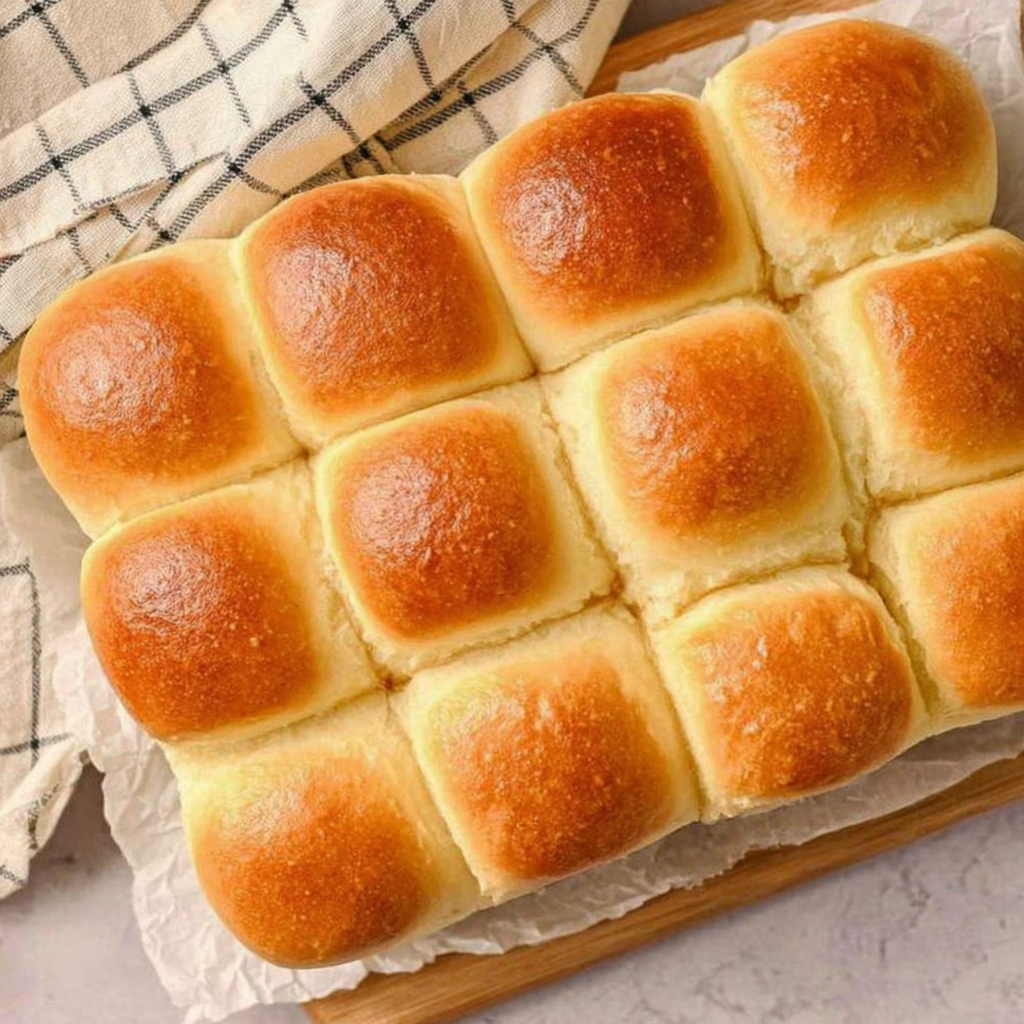
There's something inherently comforting about freshly baked bread rolls, their warm, pillowy texture promising a delightful bite. Fluffy bread rolls can elevate any meal, adding a homemade touch that shop-bought options often lack. Perfect for gatherings or as a side to your favorite soup, these rolls are remarkably simple to make.
The secret to achieving that light, airy structure lies in the right balance of ingredients and technique. In this article, we will explore the essential components and steps to create these delicious rolls from scratch. Get ready to impress your family and friends with a basket of warm, fluffy bread rolls that are sure to steal the show!
Ingredients
- 4 cups all-purpose flour
All-purpose flour provides the structure for the rolls. It has the right protein content to create a good gluten network, which is essential for trapping air and providing a chewy texture. The flour also gives the rolls their characteristic flavor. - 1 packet (2 1/4 tsp) active dry yeast
Yeast is the key leavening agent in bread making. It ferments, producing carbon dioxide gas, which causes the dough to rise and develop a light, fluffy texture. Using active dry yeast ensures a reliable rise when activated with warm water. - 1/4 cup granulated sugar
Sugar not only sweetens the rolls but also feeds the yeast, promoting fermentation. This leads to a better rise and enhances the flavor of the final product, resulting in soft and slightly sweet rolls that everyone will love. - 1 cup warm milk (110°F)
Warm milk hydrates the flour and activates the yeast, creating a perfect environment for fermentation. The milk also contributes to a tender crumb and rich flavor, enriching the overall quality of the bread rolls. - 1/4 cup unsalted butter, melted
Butter adds richness and flavor to the rolls. It helps create a soft texture by coating the flour proteins, leading to less gluten formation. Additionally, the fat in butter aids in browning the exterior for a beautiful finish. - 1 tsp salt
Salt is crucial for flavor but also strengthens the gluten structure in the dough. It controls yeast activity, preventing it from fermenting too quickly, and contributes to the overall balance of flavors in the rolls. - 2 large eggs
Eggs contribute to the structure and tenderness of the rolls. They provide moisture and richness, and when beaten and incorporated, they help bind the dough together. This results in a more cohesive and fluffy texture.
Directions & Preparation
Step 1: Activate the yeast.
Start by dissolving the active dry yeast and a teaspoon of sugar in warm milk. Let it sit for about 5-10 minutes until foamy. This step is crucial as it verifies that the yeast is active and ready to help your dough rise. If there’s no foam, the yeast might be expired, and you’ll need to start over to ensure a successful rise.
Step 2: Mix the dry ingredients.
In a large bowl, whisk together the flour, remaining sugar, and salt. Combining these ingredients first ensures even distribution of salt and sugar, which is vital for flavor enhancement and gluten development. This also prepares your mixture for the wet ingredients, promoting even hydration.
Step 3: Combine wet and dry ingredients.
Make a well in the center of the dry ingredients and add the activated yeast mixture, melted butter, and beaten eggs. Mix until a shaggy dough forms. This step allows for proper integration of the ingredients, leading to a smooth dough. Ensure all flour is incorporated to prevent dry patches, which can affect the final texture.
Step 4: Knead the dough.
Turn the dough out onto a floured surface and knead for about 10 minutes until smooth and elastic. Kneading develops the gluten, which is essential for structure. An elastic dough that springs back when pressed indicates that it has been kneaded sufficiently. This will result in fluffy rolls once baked.
Step 5: First rise.
Place the dough in a greased bowl, cover it with a damp cloth, and let it rise in a warm place for 1-2 hours, or until doubled in size. This step is vital as it allows the yeast to ferment, creating gas bubbles that aerate the dough, leading to a light texture in the final rolls.
Step 6: Shape the rolls.
After the first rise, punch down the dough gently to release excess gas. Divide the dough into 12-15 equal pieces and shape them into tight balls. Shaping creates surface tension, which is crucial for the rolls to rise nicely and maintain their shape during baking.
Step 7: Second rise.
Place the shaped rolls in a greased baking dish, cover, and let them rise again for about 30-45 minutes until puffy. This additional rise allows the rolls to develop more flavor and provides an airy structure. The dough should feel soft and slightly spring back when touched.
Step 8: Preheat the oven.
While the rolls are rising for the second time, preheat your oven to 375°F (190°C). Preheating is essential for achieving a proper oven spring when the rolls hit the heat. A hot oven helps in quickly setting the exterior of the rolls while allowing the inside to remain fluffy.
Step 9: Bake the rolls.
Once the rolls have risen and the oven is hot, bake them for 20-25 minutes until golden brown on top. Baking is where all the magic occurs—heat activates the yeast residual fermentation and transforms the dough into fluffy rolls. A golden color indicates they're cooked through, while an internal temperature of around 190°F ensures doneness.
Step 10: Cool and serve.
After baking, remove the rolls from the oven and allow them to cool in the pan for about 10 minutes before serving. Cooling slightly helps set the crumb structure and improves flavor. Enjoy them warm for the best taste, or slathered with butter for an irresistible treat.

The Science Behind Fluffy Bread Rolls
Understanding the chemistry of baking can significantly enhance your bread-making skills. Yeast fermentation produces carbon dioxide, which creates air pockets in the dough, while proper kneading develops gluten that provides structure. The combination of these processes is what gives fluffy bread rolls their characteristic lightness. Experimenting with hydration levels and kneading techniques can yield even more desirable results.
Troubleshooting Common Issues
Even experienced bakers encounter challenges when making fluffy bread rolls. If your rolls come out too dense, it could indicate insufficient kneading or not enough rising time. On the other hand, overly dry rolls may result from excessive flour or not enough moisture in the dough. Keeping your ingredients and measurements accurate is key, as is allowing ample rising time to give your rolls the best chance to fluff up.
Enhancing Flavor with Variations
Once you've mastered the basic fluffy bread rolls, consider infusing them with different flavors. Adding herbs, cheese, or spices can elevate these rolls to complement various dishes. Experiment with ingredients like garlic powder, grated Parmesan, or finely chopped herbs for an exciting twist. You can also try incorporating fillings like pesto or cream cheese for a stuffed version that delights at the dinner table.
FAQs
What could make my rolls turn out too dense?
Density can result from not kneading the dough enough, which affects gluten development, or from inadequate rising time. Make sure to thoroughly knead and allow sufficient time for the dough to double in size.
Can I use whole grain flour instead of all-purpose?
Yes, whole grain flour can be used for these rolls, but you may need to reduce the amount slightly and increase liquid due to its higher absorbency. This will help maintain the fluffiness.
Why are my rolls too dry?
Dry rolls often stem from adding too much flour or not enough liquid. Ensure accurate measurements and consider the humidity of your environment when adding flour.
How can I tell if my yeast is still active?
To check if your yeast is active, mix it with warm water and sugar. If it bubbles and froths within 10 minutes, it's good to go. If not, substitute with fresh yeast.
Can I replace sugar with honey?
Honey can be used as a substitute for sugar, but remember that it adds moisture and may slightly alter the dough's texture. Use about three-quarters the amount of honey as sugar.
What temperature should the rolls reach when baked?
The internal temperature of the rolls should be around 190°F (88°C). A food thermometer can provide accurate measurement and ensure they are baked through.
Conclusion
Baking fluffy bread rolls is a marvelous endeavor that rewards you with heartwarming aromas and delightful flavors. Mastering the balance of ingredients, along with proper techniques, sets you on a path to success in your baking journey.
With practice, you'll be able to customize your rolls, experiment with flavors, and share these delicious morsels with loved ones. So, roll up your sleeves and get ready to indulge in the joy of freshly baked bread rolls that will surely brighten any occasion.
Recipe Card
Achieving Light and Fluffy Bread Rolls at Home
Ingredients
- 4 cups all-purpose flour
- 1 packet 2 1/4 tsp active dry yeast
- 1/4 cup granulated sugar
- 1 cup warm milk 110°F
- 1/4 cup unsalted butter melted
- 1 tsp salt
- 2 large eggs
Instructions
- Activate the yeast.
- Mix the dry ingredients.
- Combine wet and dry ingredients.
- Knead the dough.
- First rise.
- Shape the rolls.
- Second rise.
- Preheat the oven.
- Bake the rolls.
- Cool and serve.
Notes
Additional serving suggestions: pair with a crisp salad, garlic bread, or roasted seasonal vegetables for balance.
For make-ahead, prep components separately and assemble just before heating to preserve texture.
Taste and adjust with acid (lemon/vinegar) and salt right at the end to wake up flavors.