Introduction
There's something undeniably special about a classic New York cheesecake. Creamy, rich, and perfectly balanced between sweet and tangy, it embodies the essence of indulgence. This cheesecake is a centerpiece, perfect for celebrations or casual gatherings, inviting everyone to savor a slice.
Crafting the perfect New York cheesecake combines simple ingredients with a few key techniques to achieve that iconic texture. The secret lies not only in the ingredients but also in the process, from the crust's foundation to the creamy filling. With patience and care, you can master this beloved dessert and make it your own.
Ingredients
- 2 cups graham cracker crumbs
Graham cracker crumbs form the traditional crust for New York cheesecake. They create a sweet, crisp backdrop that contrasts beautifully with the creamy filling, helping to hold the dessert together while adding a distinct flavor. - 1/2 cup unsalted butter, melted
Melted butter binds the graham cracker crumbs together, ensuring a sturdy crust. Its richness adds flavor and a delightful texture, making the crust golden and slightly crisp after baking. - 1 cup granulated sugar, divided
Sugar sweetens the cheesecake, balancing the tanginess of the cream cheese. Dividing it allows you to control sweetness in both the crust and filling, creating depth of flavor. - 4 (8-ounce) packages cream cheese, softened
Cream cheese is the star of the cheesecake, providing that signature dense and creamy texture. Using softened cream cheese is essential to avoid lumps and ensure a smooth filling. - 1 teaspoon vanilla extract
Vanilla extract enhances the overall flavor of the cheesecake, adding warmth and depth. It complements the richness of the cream cheese while pairing wonderfully with the crust. - 4 large eggs
Eggs serve as a binding agent in the filling, helping to set the cheesecake as it bakes. They also contribute to the texture, making the cheesecake custardy and stable. - 1 cup sour cream
Sour cream introduces a slight tanginess and moisture to the filling. It balances the sweetness and adds to the creamy texture, making each slice silky and delicious. - 1 tablespoon all-purpose flour (optional)
Adding a small amount of flour helps to stabilize the filling, especially if you plan to bake the cheesecake in a water bath. This can help prevent cracking and create a smoother texture.
Directions & Preparation
Step 1: Preheat the oven to 325°F (160°C).
Preheating the oven ensures an even baking environment for your cheesecake. This starting temperature helps to achieve a gentle bake, allowing the cheesecake to rise slightly without overcooking the outer edges.
Step 2: Prepare the crust by combining graham cracker crumbs, melted butter, and 1/4 cup of sugar in a bowl.
Mixing these ingredients thoroughly ensures that the crumbs are evenly coated and can hold together when pressed into the pan. The melted butter activates the sweetness of the crumbs and forms a cohesive crust during baking.
Step 3: Press the mixture firmly into the bottom of a 9-inch springform pan.
Packing the mixture tightly creates a solid base that won’t crumble when slicing the cheesecake. Make sure to cover the bottom evenly, and consider extending it slightly up the sides for added texture.
Step 4: Bake the crust for 10 minutes, then let it cool.
Baking the crust briefly helps set it, enhancing its structure and flavor. Letting it cool before adding the filling prevents burning the cheesecake and creates a better base layer.
Step 5: In a large mixing bowl, beat the softened cream cheese with the remaining sugar until smooth.
This step is crucial for achieving a lump-free filling. Beating the cream cheese thoroughly incorporates air, resulting in a fluffier texture, which is ideal for a rich cheesecake.
Step 6: Add the vanilla extract and sour cream, mixing until combined.
Incorporating these ingredients blends flavor and moisture into the filling. The sour cream will add balance, while the vanilla enhances the overall taste profile of the cheesecake.
Step 7: Add the eggs one at a time, mixing on low speed after each addition.
Adding eggs gradually prevents overmixing, which can incorporate too much air and lead to cracking. Mixing on low minimizes the risk of creating bubbles that can affect the texture of your cheesecake.
Step 8: Pour the filling into the cooled crust, spreading it evenly.
Distributing the filling evenly ensures that it bakes uniformly. A smooth top makes for a beautiful presentation after baking, and helps prevent uneven settling.
Step 9: Bake in the preheated oven for 50-60 minutes until the edges are set, but the center still jiggles slightly.
This baking method allows the cheesecake to gently cook, ensuring a creamy texture. The jiggle indicates doneness; it will continue to firm up as it cools, so avoid overbaking, which can lead to a dry cheesecake.
Step 10: Once done, turn off the oven and crack the door, letting the cheesecake cool slowly for 1 hour.
Cooling the cheesecake gradually in the oven prevents sudden temperature changes, which can cause cracking. This step aids in achieving a smooth surface and enhances the overall texture.
Step 11: Refrigerate for at least 4 hours or preferably overnight before serving.
Chilling allows the flavors to meld and improves the firmness of the cheesecake. Overnight refrigeration is ideal for achieving the perfect slice and texture while enhancing the taste.

The Importance of Quality Ingredients
Using high-quality ingredients is crucial in making a classic New York cheesecake. Opt for real cream cheese over cream cheese spread for better flavor and texture. Choose fresh eggs and pure vanilla extract to amplify the overall taste, as these elements significantly influence the finished product. Good ingredients set the stage for developing rich flavors and optimal textures.
The Art of Baking Vanilla and Cream Cheese Unified
Baking a cheesecake requires understanding how the primary ingredients interact. The cream cheese needs to be well blended to avoid lumps, and the addition of sugar and vanilla brings out its natural flavor. The eggs serve as a stabilizer, ensuring the balance between richness and lightness. Mastering this synergy is key to achieving truly delightful cheesecake perfection.
Troubleshooting for the Perfect Slice
Even experienced bakers may encounter issues with cheesecakes, such as cracks or a dense texture. To avoid cracks, monitor baking times closely and ensure the cheesecake cools gradually. If your cheesecake turns out too thick, it may have been overmixed or overbaked. For future endeavors, consider adjusting bake times, using a water bath, or reducing the egg amount slightly for a softer texture.
FAQs
What should I do if my cheesecake is too thin?
If your cheesecake is too thin, it may need more cream cheese or eggs, or it may have been underbaked. For future attempts, ensure all ingredients are blended well and baked until the center is just set.
How can I prevent my cheesecake from cracking?
To minimize cracking, cool your cheesecake gradually in the oven after baking, and avoid overmixing the batter. Using a water bath can also help maintain moisture and even heating.
Can I use a different crust besides graham crackers?
Yes, you can use various types of crusts like Oreo, digestive biscuits, or even a nut-based crust for a gluten-free option. Just adjust the butter and sugar amounts if needed for the chosen crust.
What if my cheesecake tastes bland?
If your cheesecake tastes bland, consider increasing the vanilla extract or sugar slightly during the mixing stage. Always taste the batter before pouring it into the crust to adjust flavors.
How do I know when my cheesecake is done?
The cheesecake is done when the edges are set and the center jiggles slightly. It will firm up as it cools, so avoid overbaking to keep it creamy and smooth.
Can I use lower-fat cream cheese?
While lower-fat cream cheese can be used, it may change the texture and richness of the cheesecake. Full-fat cream cheese is recommended for the best results.
Conclusion
Making a classic New York cheesecake is a rewarding endeavor that can impress friends and family alike. With careful attention to detail and a love for baking, you can create a delicious dessert that’s sure to be a hit at any gathering.
Remember, practice makes perfect. Don’t be discouraged by challenges; each cheesecake is an opportunity to refine your technique and enjoy the process of baking something truly special.
Recipe Card
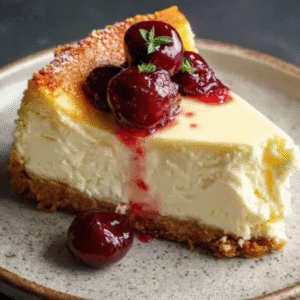
Classic New York Cheesecake Recipe for Home Cooks
Ingredients
- 2 cups graham cracker crumbs
- 1/2 cup unsalted butter melted
- 1 cup granulated sugar divided
- 4 8-ounce packages cream cheese, softened
- 1 teaspoon vanilla extract
- 4 large eggs
- 1 cup sour cream
- 1 tablespoon all-purpose flour optional
Instructions
- Preheat the oven to 325°F (160°C).
- Prepare the crust by combining graham cracker crumbs, melted butter, and 1/4 cup of sugar in a bowl.
- Press the mixture firmly into the bottom of a 9-inch springform pan.
- Bake the crust for 10 minutes, then let it cool.
- In a large mixing bowl, beat the softened cream cheese with the remaining sugar until smooth.
- Add the vanilla extract and sour cream, mixing until combined.
- Add the eggs one at a time, mixing on low speed after each addition.
- Pour the filling into the cooled crust, spreading it evenly.
- Bake in the preheated oven for 50-60 minutes until the edges are set, but the center still jiggles slightly.
- Once done, turn off the oven and crack the door, letting the cheesecake cool slowly for 1 hour.
- Refrigerate for at least 4 hours or preferably overnight before serving.
Notes
Additional serving suggestions: pair with a crisp salad, garlic bread, or roasted seasonal vegetables for balance.
For make-ahead, prep components separately and assemble just before heating to preserve texture.
Taste and adjust with acid (lemon/vinegar) and salt right at the end to wake up flavors.