Introduction
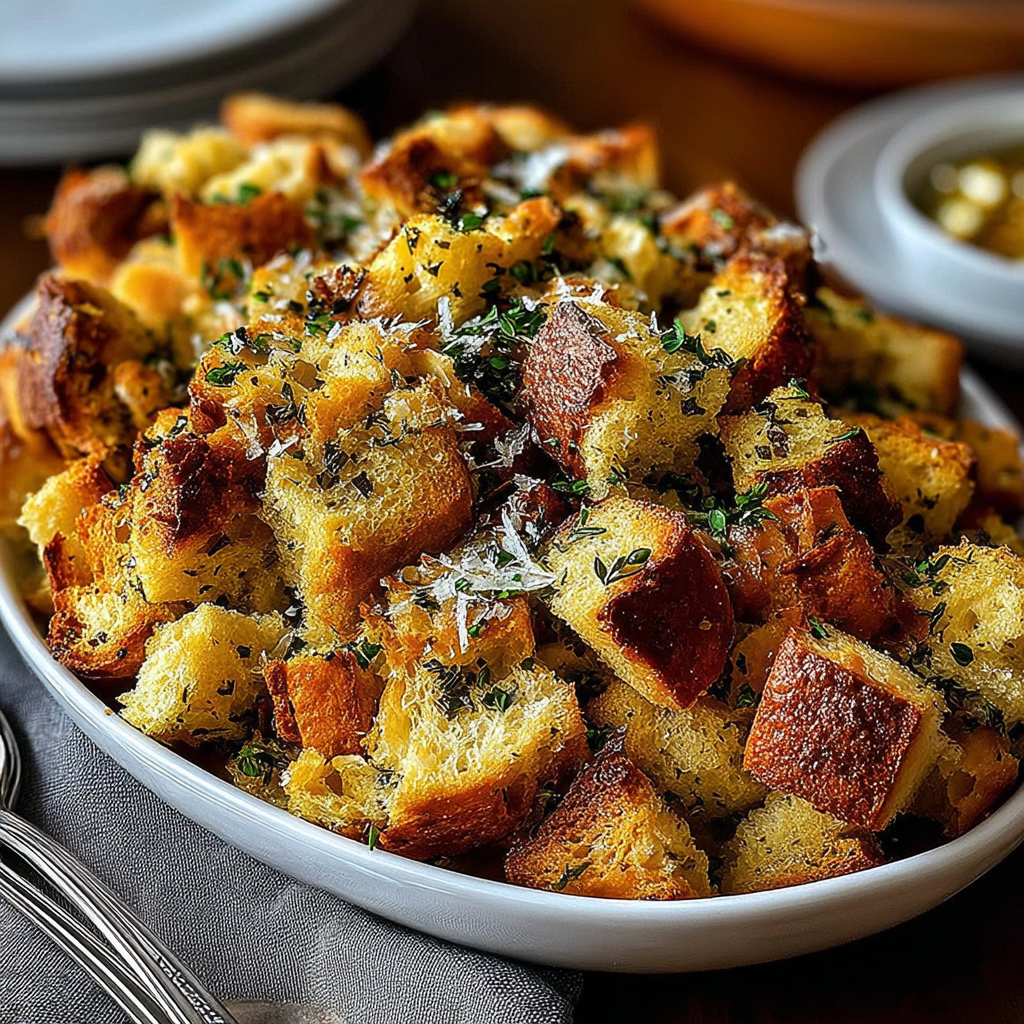
Homemade stuffing is a cherished component of many family meals, imparting warmth and tradition to any celebration. It transforms a simple dish into a culinary masterpiece, with the right balance of flavors and textures curated from your own kitchen. As the aroma fills your home, it evokes memories of gatherings with loved ones, all coming together to share in the delight of a well-prepared meal.
The beauty of stuffing lies in its adaptability; it can be rich and savory, or light and refreshing, depending on your palate and the occasion. Whether served alongside roast turkey at Thanksgiving or as a side to a weekday dinner, homemade stuffing is always a hit. This article will help you master the art of stuffing with simple ingredients and techniques to ensure every bite is delightful.
Ingredients
- 12 cups cubed stale bread
Stale bread forms the base of the stuffing, providing structure and texture. It absorbs the flavors of the broth and spices while keeping a slightly crunchy bite. - 1 cup diced onion
Onions add sweetness and depth to the stuffing. When sautéed, they release their natural sugars and enhance the overall flavor profile. - 1 cup diced celery
Celery contributes a fresh crunch and a hint of bitterness, balancing the richness of the bread and other ingredients. - 1/2 cup unsalted butter
Butter enriches the stuffing, ensuring it stays moist and flavorful. It also allows the vegetables to sauté beautifully, drawing out their flavors. - 2 cups chicken or vegetable broth
Broth infuses moisture and flavor into the stuffing. It’s essential to use high-quality broth for a more pronounced taste. - 1 tablespoon dried sage
Sage complements the savory notes of the stuffing, adding an earthy and aromatic quality that is traditional in many recipes. - 1 tablespoon fresh thyme leaves
Fresh thyme brightens the stuffing and adds a vibrant herbal note. Using fresh herbs can elevate the overall freshness of the dish. - 1 teaspoon salt
Salt enhances all the flavors in your stuffing. It’s important to balance the seasoning with the other components to avoid blandness. - 1/2 teaspoon black pepper
Black pepper adds a gentle heat and complexity to the stuffing. Adjusting the quantity allows you to tailor the spice level to your preference. - 1 cup chopped cooked sausage (optional)
Sausage introduces a rich, savory depth. It adds protein and heartiness which can make the stuffing a stand-alone dish.
Directions & Preparation
Step 1: Preheat your oven to 350°F (175°C).
Preheating the oven is a crucial first step as it ensures the stuffing bakes evenly. An adequately heated oven also seals in the moisture and promotes browning, crucial for achieving a golden crust.
Step 2: In a large skillet, melt the butter over medium heat.
Melting the butter slowly allows it to foam and ensures the flavor infuses the oil. This step creates a flavorful base for sautéing the onions and celery, essential in both flavor and texture development.
Step 3: Add diced onions and celery to the skillet, sauté until softened.
Cooking the onions and celery transforms their texture and flavor, bringing out sweetness and enhancing the stuffing’s depth. The goal is to achieve a soft, translucent state without browning them, which preserves their natural taste.
Step 4: In a large mixing bowl, combine the cubed bread, sautéed vegetables, herbs, salt, and pepper.
Mixing the sautéed vegetables with the cubed bread ensures that every piece is complemented with essential flavors. This step is vital for achieving a harmonious blend throughout the stuffing, allowing it to be evenly seasoned.
Step 5: Pour in the broth gradually, tossing the mixture until all the bread is moistened.
Adding broth gradually allows you to control the moisture level in the stuffing. The bread should be moist but not soggy; this balance is key to achieving the perfect texture. It also helps the herbs and seasonings distribute evenly throughout.
Step 6: If desired, fold in the chopped cooked sausage.
This step is optional but infuses rich flavor and texture into the stuffing. The added fat from the sausage helps to keep the stuffing moist, enhancing the overall mouthfeel.
Step 7: Transfer the mixture to a greased baking dish.
Choosing the right baking dish is essential for even cooking. A greased dish prevents sticking and ensures easy serving, and allowing a bit of space promotes browning on the sides.
Step 8: Cover the dish with aluminum foil and bake for 30 minutes.
Covering the stuffing helps it steam, ensuring all ingredients cook through. This initial bake time prevents excessive drying while the flavors meld and develop, essential for a well-rounded stuffing.
Step 9: Remove the foil and bake for an additional 15-20 minutes until golden brown.
The final uncovered baking allows the top to crisp up, creating a pleasing texture contrast. Watching closely during this phase is important, as variations in ovens can change the browning time.

For the Love of Herbs: Seasoning Your Stuffing
Seasoning with fresh and dried herbs brings your stuffing to life. While sage and thyme are traditional, don’t hesitate to explore other herbs like rosemary or parsley. These additions can add new dimensions and invite varying flavors that can complement your holiday roast or weeknight chicken. Feel empowered to adapt the herbal profile to fit the season or your family's preferences!
Textural Harmony: Importance of the Bread Type
Selecting the right type of bread for stuffing can significantly influence texture and flavor. A mix of sourdough, whole wheat, and rustic white bread can introduce complexity. Stale bread is key here, as it soaks in moisture without becoming mushy. Feel free to experiment by toasting the bread cubes for an added crunch or choosing artisan varieties for gourmet touches.
Customization: Add-Ins to Elevate Your Stuffing
Creating a signature stuffing involves incorporating beloved ingredients that represent your culinary style. Consider adding dried fruits like cranberries or apricots for sweetness, nuts for crunch, or even vegetables like mushrooms and carrots for depth. Tailoring your stuffing with these elements not only enhances the flavor but also makes it truly unique to your household.
FAQs
What can I do if my stuffing is too dry?
If your stuffing turns out too dry, you can drizzle additional broth over it before returning it to the oven briefly to warm through. Mixing in an extra tablespoon of melted butter can also help restore moisture.
What types of bread work best for stuffing?
Stale bread is ideal for stuffing, but consider a mix of bread types. Sourdough, baguettes, or whole wheat breads provide different flavors and textures, enhancing the dish's depth.
How can I enhance the flavor without adding salt?
To boost flavor without relying on salt, try incorporating umami-rich ingredients like sautéed mushrooms, caramelized onions, or even a splash of soy sauce. Fresh herbs and citrus zest can also brighten the profile.
What if my stuffing is too soggy?
If the stuffing is too soggy, remove it from the baking dish and spread it out on a baking sheet. Bake it at a low temperature for a short while to dry it out without cooking it further.
Can I substitute the broth with something else?
Yes, if you prefer, you can use vegetable broth or even stock made from your favorite protein. Water can be a last resort, but it may lack the depth of flavor that broth brings.
Can I make this stuffing vegetarian?
To make a vegetarian version, simply use vegetable broth instead of chicken broth and omit any meat components. You can boost flavor with additional herbs or spices to compensate.
Conclusion
Homemade stuffing elevates any meal, making it memorable and inviting. With a straightforward approach to ingredients and preparation, you’re poised to create a dish that resonates with loved ones and reflects your culinary voice.
So don your apron, and get ready to embrace the warmth and comfort that comes with making stuffing from scratch. Experiment with flavors, textures, and personal touches, and watch as your homemade stuffing quickly becomes a family favorite.
Recipe Card
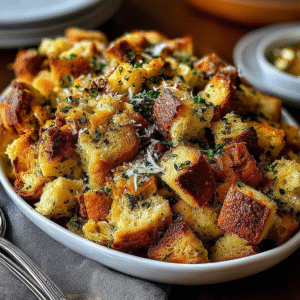
Crafting Homemade Stuffing for Every Occasion
Ingredients
- 12 cups cubed stale bread
- 1 cup diced onion
- 1 cup diced celery
- 1/2 cup unsalted butter
- 2 cups chicken or vegetable broth
- 1 tablespoon dried sage
- 1 tablespoon fresh thyme leaves
- 1 teaspoon salt
- 1/2 teaspoon black pepper
- 1 cup chopped cooked sausage optional
Instructions
- Preheat your oven to 350°F (175°C).
- In a large skillet, melt the butter over medium heat.
- Add diced onions and celery to the skillet, sauté until softened.
- In a large mixing bowl, combine the cubed bread, sautéed vegetables, herbs, salt, and pepper.
- Pour in the broth gradually, tossing the mixture until all the bread is moistened.
- If desired, fold in the chopped cooked sausage.
- Transfer the mixture to a greased baking dish.
- Cover the dish with aluminum foil and bake for 30 minutes.
- Remove the foil and bake for an additional 15-20 minutes until golden brown.
Notes
Additional serving suggestions: pair with a crisp salad, garlic bread, or roasted seasonal vegetables for balance.
For make-ahead, prep components separately and assemble just before heating to preserve texture.
Taste and adjust with acid (lemon/vinegar) and salt right at the end to wake up flavors.