Introduction
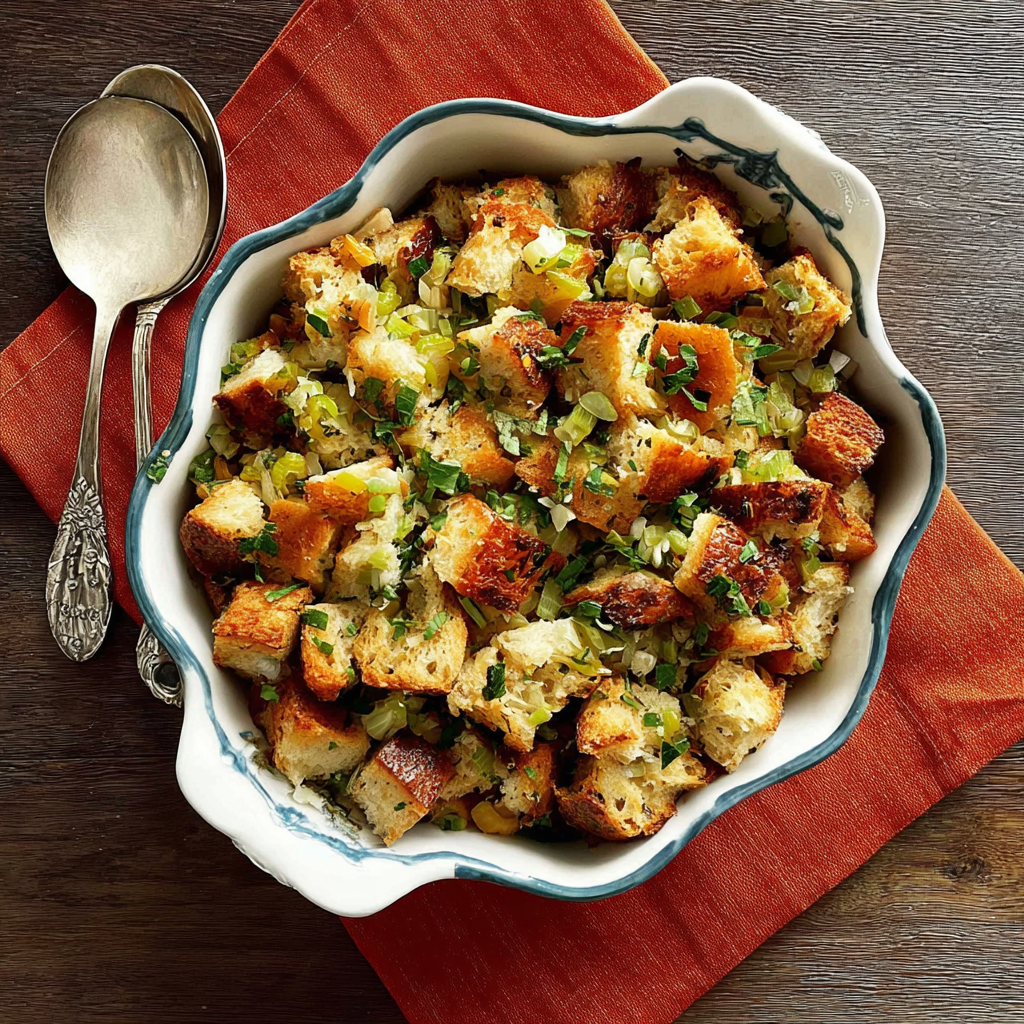
Old-fashioned bread stuffing is a classic side that graces many dinner tables, especially during festive occasions. This heartwarming dish combines simple ingredients to create a comforting mixture that complements roasted meats beautifully. Its rich flavors and varied textures evoke nostalgia and have a way of bringing people together.
While modern adaptations have emerged, there is something special about sticking to the traditional methods and flavors. This stuffing is all about honoring the ingredients, allowing the bread to absorb the savory broth and spices, and creating a dish that feels both rustic and timeless.
By learning the art of making old-fashioned bread stuffing, home cooks can elevate their meals and create memorable moments. It’s not just about the food; it’s about the love and care infused into each step of the cooking process.
Ingredients
- 1 loaf of bread (about 1 pound), cubed
Stale bread or day-old bread works best, as it helps the stuffing absorb the liquid without becoming mushy. A mix of white and whole grain bread adds both texture and flavor. - 1 cup unsalted butter
Butter enriches the stuffing, providing a rich flavor and facilitating the sautéing of vegetables. It ensures a moist texture and contributes to the overall savory notes. - 2 cups onions, chopped
Onions add a sweet flavor when sautéed, creating a flavorful base for the stuffing. They also add moisture and depth to the overall dish. - 1 cup celery, chopped
Celery adds a crisp texture and freshness, balancing the richness of the butter. Its subtle flavor enhances the overall profile of the stuffing. - 1 tablespoon garlic, minced
Garlic infuses the stuffing with a punch of flavor, bringing warmth and depth. It complements the earthiness of the bread and vegetables. - 1 tablespoon dried sage
Sage is a quintessential herb for stuffing, imparting a robust, earthy flavor that pairs beautifully with poultry. It evokes a sense of holiday warmth. - 1 tablespoon dried thyme
Thyme offers an aromatic touch and balances the stuffing's flavors with its subtle earthiness. It complements the sage perfectly. - 1/2 teaspoon salt
Salt enhances the overall flavor of the stuffing, ensuring that all the individual ingredients shine. Adjust according to taste and the salt content of your broth. - 1/2 teaspoon black pepper
Black pepper adds a hint of spice, enhancing the stuffing's depth. It provides a warm backdrop to the herbs and vegetables. - 2-3 cups chicken or vegetable broth
Broth is essential for moistenings the stuffing and allowing the bread to absorb all the flavors. Choose low-sodium broth to better control the seasoning. - 2 eggs, beaten
Beaten eggs act as a binding agent, helping the stuffing hold together when baked and adding richness to the dish.
Directions & Preparation
Step 1: Preheat the oven to 350°F (175°C).
Preheating the oven ensures that the stuffing cooks evenly when it's placed inside. A consistent temperature is crucial for achieving the desired texture and flavor.
Step 2: Prepare the bread by cubing and toasting it lightly.
Cube the bread into uniform pieces for consistent texture and lightly toast them to dry it out. This step prevents the stuffing from becoming soggy and allows it to absorb the broth better.
Step 3: In a large skillet, melt the butter over medium heat.
Melting butter in a skillet not only adds flavor but allows you to sauté the vegetables evenly. The heat should be moderate to prevent burning while extracting sweetness from the onions.
Step 4: Sauté the onions and celery until soft, about 5-7 minutes.
Cooking the onions and celery releases their flavors and softens their textures. This mix forms the aromatic base of your stuffing, infusing it with moisture and depth.
Step 5: Add the garlic, sage, thyme, salt, and pepper to the skillet and cook for another 2-3 minutes.
Adding these seasonings at this stage helps to awaken their flavors through cooking. Sautéing with the vegetables melds the aromatic qualities into the mixture.
Step 6: In a large mixing bowl, combine the toasted bread, sautéed vegetables, and broth.
Mixing the bread with the sautéed vegetables and broth is crucial. It allows the bread to absorb the flavorful liquid evenly, creating a cohesive stuffing.
Step 7: Add the beaten eggs to the mixture and mix until just combined.
The eggs help to bind the stuffing together, ensuring it holds its form during cooking. This step also enriches the texture, making it more satisfying.
Step 8: Transfer the stuffing to a greased baking dish.
Transferring the mixture to a greased dish helps in achieving a golden crust while preventing sticking. A shallow dish allows for better browning and texture.
Step 9: Bake in the preheated oven for 30-40 minutes until the top is golden brown.
Baking allows the flavors to meld and the texture to set. Watching for a golden brown top is crucial, as it indicates a flavorful crust has formed.
Step 10: Let cool slightly before serving.
Allowing the stuffing to rest for a few minutes enhances the ease of serving and lets the flavors settle. This also prevents scalding when serving.

Choosing the Right Bread for Stuffing
The type of bread used can significantly affect the outcome of your old-fashioned stuffing. Rustic breads like sourdough or country-style loaves work exceptionally well due to their dense structure and ability to hold up against moisture. Meanwhile, bread with a lighter texture can become mushy, so be mindful of stale versus fresh bread. Mixing different types can also evoke varied flavors and textures.
The Importance of Sautéed Aromatics
Sautéing the onions, celery, and garlic is a vital step in developing the stuffing's flavor base. This technique unlocks their natural sweetness while softening their textures. This golden mixture can significantly enhance the overall flavor profile of the stuffing, providing depth that raw ingredients can’t achieve. The careful cooking process also creates a wonderful aroma that fills your kitchen.
Herbs: The Heart of Flavor in Stuffing
The herbs used in your stuffing can evoke seasonal flavors and tie the dish to traditions. Fresh herbs, such as parsley or thyme, add vibrancy, while dried herbs like sage lend traditional holiday flavors. Balancing these correctly can elevate your dish from good to unforgettable. Don’t shy away from adjusting the herb ratios to suit your palate, as they can truly make or break the overall character of your stuffing.
FAQs
What if my stuffing is too dry?
If your stuffing turns out too dry, add a bit more broth gradually until it reaches your desired consistency. Make sure to mix well to incorporate the liquid evenly.
Can I add sausage to this stuffing recipe?
Absolutely! Adding cooked sausage can enhance flavor and richness. Simply sauté it with the onions and celery at the beginning of the cooking process.
Is it okay to use fresh herbs instead of dried?
Yes, fresh herbs can be substituted for dried ones. Use about three times the amount of fresh herbs compared to dried to achieve a similar flavor.
What if I want to make a smaller batch of stuffing?
To scale down the recipe, simply divide the ingredient quantities by half or adjust according to the number of servings you need while maintaining the ratios.
How can I prevent my stuffing from becoming mushy?
Ensure that you’re using stale bread and not too much broth. Monitor the baking time closely, as overbaking can also lead to a mushy texture.
Can I incorporate vegetables other than celery and onions?
Definitely! Vegetables like mushrooms, carrots, or even apples can add unique flavors and textures. Just make sure they are cooked down before mixing.
Conclusion
Old-fashioned bread stuffing is more than just a side dish; it embodies the heart of homemade cooking. Each ingredient plays a part in creating a cohesive flavor that beautifully complements your main course.
Taking the time to make this traditional stuffing is an investment not only in flavor but in memories shared around the dinner table. Enjoy the process, and savor the return to simpler, wholesome cooking.
Recipe Card

Crafting Traditional Old-Fashioned Bread Stuffing
Ingredients
- 1 loaf of bread about 1 pound, cubed
- 1 cup unsalted butter
- 2 cups onions chopped
- 1 cup celery chopped
- 1 tablespoon garlic minced
- 1 tablespoon dried sage
- 1 tablespoon dried thyme
- 1/2 teaspoon salt
- 1/2 teaspoon black pepper
- 2-3 cups chicken or vegetable broth
- 2 eggs beaten
Instructions
- Preheat the oven to 350°F (175°C).
- Prepare the bread by cubing and toasting it lightly.
- In a large skillet, melt the butter over medium heat.
- Sauté the onions and celery until soft, about 5-7 minutes.
- Add the garlic, sage, thyme, salt, and pepper to the skillet and cook for another 2-3 minutes.
- In a large mixing bowl, combine the toasted bread, sautéed vegetables, and broth.
- Add the beaten eggs to the mixture and mix until just combined.
- Transfer the stuffing to a greased baking dish.
- Bake in the preheated oven for 30-40 minutes until the top is golden brown.
- Let cool slightly before serving.
Notes
Additional serving suggestions: pair with a crisp salad, garlic bread, or roasted seasonal vegetables for balance.
For make-ahead, prep components separately and assemble just before heating to preserve texture.
Taste and adjust with acid (lemon/vinegar) and salt right at the end to wake up flavors.