Introduction
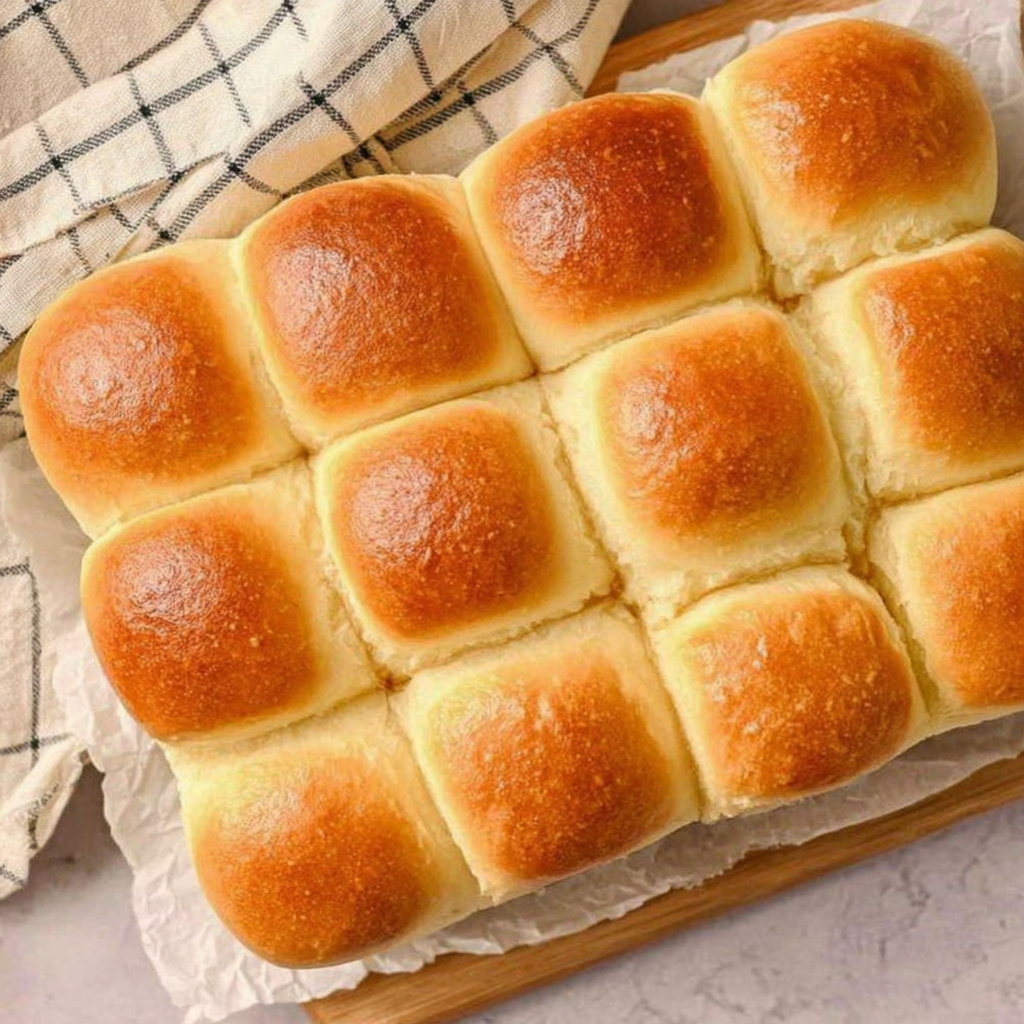
There's something irresistible about a warm basket of fluffy bread rolls, their delicate texture inviting you to take just one more. These rolls are a staple at family gatherings and holiday feasts, serving not just as a side, but as a comforting addition to any meal. Their versatility allows them to complement savory dishes or be enjoyed simply with a pat of butter.
Crafting these rolls at home may seem daunting, yet with the right approach, you can achieve bakery-quality results. The key lies in understanding the ingredients and the process behind this beloved classic. Let's dive into making these delightful rolls that are sure to impress your family and friends.
Ingredients
- 4 cups all-purpose flour
Flour is the backbone of any bread recipe, providing structure and chewiness. The protein content in all-purpose flour creates gluten when mixed with water, giving the rolls their fluffy texture. - 2 1/4 teaspoons active dry yeast
Yeast is the leavening agent that helps the dough rise. It ferments the sugars in the flour, producing carbon dioxide bubbles that create the light and airy structure of the rolls. - 1/4 cup granulated sugar
Sugar adds sweetness and enhances the flavor of the rolls. It also feeds the yeast, helping it to grow and produce more carbon dioxide, which aids in the rising process. - 1 teaspoon salt
Salt is an essential component that not only enhances flavor but also assists in controlling yeast activity. It strengthens the dough by tightening the gluten strands. - 1/4 cup unsalted butter, melted
Butter adds richness and moisture to the dough, resulting in a tender crumb. It also contributes a wonderful flavor that elevates the overall taste of the rolls. - 1 cup warm milk (about 110°F)
Warm milk helps activate the yeast, setting the stage for the dough to rise. It also adds moisture, contributing to the fluffiness of the bread rolls. - 1 large egg
Eggs add richness and color to the rolls. They help bind the ingredients together and contribute to the roll’s structure, leading to a softer texture.
Directions & Preparation
Step 1: Activate the yeast.
Start by combining the warm milk, sugar, and yeast in a mixing bowl. Let it sit for about 5-10 minutes until it becomes foamy. This vital step ensures the yeast is alive and ready to help your rolls rise. If the mixture doesn’t foam, it indicates the yeast is inactive, and you should start again.
Step 2: Mix dry ingredients.
In a large bowl, whisk together the flour and salt. Incorporating the salt at this stage is important to distribute it evenly among the flour. This step also prepares the dry ingredients for the wet mixture, helping to avoid lumps later in the dough.
Step 3: Combine ingredients.
Once the yeast is activated, add the melted butter and whisked egg to the mixture. Gradually pour this into the bowl with the flour while mixing until a sticky dough forms. This step is crucial for creating the right dough consistency; too dry will yield dense rolls, while too wet will be unmanageable.
Step 4: Knead the dough.
Transfer the dough to a lightly floured surface and knead for about 8-10 minutes until smooth and elastic. Kneading develops gluten, which provides structure and elasticity. A well-kneaded dough springs back when pressed, indicating it's ready for the next rise.
Step 5: First rise.
Place the dough in a greased bowl, cover it with a damp cloth, and let it rise in a warm place until doubled in size, about 1 hour. This is a critical fermentation period, allowing flavors to develop and the yeast to create air pockets, contributing to the roll's fluffiness.
Step 6: Shape the rolls.
After the first rise, punch the dough down to release air. Divide it into equal portions and shape each piece into a smooth ball. Proper shaping helps form surface tension, which is key for the rolls to rise evenly and maintain their rounded shape during baking.
Step 7: Second rise.
Arrange the shaped rolls in a well-greased baking dish, cover them again, and let them rise for another 30-45 minutes until puffed up. This second rise allows the rolls to expand further and ensures a light texture after baking.
Step 8: Preheat the oven.
While the rolls are rising, preheat your oven to 375°F. This ensures the rolls start baking in a hot environment, which is crucial for achieving that perfect golden-brown crust.
Step 9: Bake the rolls.
Once the rolls have risen, bake them in the preheated oven for about 20-25 minutes or until golden brown on top. The heat of the oven activates the yeast further, creating steam and ensuring the rolls rise beautifully and develop a desirable crust.
Step 10: Cool and serve.
Let the rolls cool in the pan for a few minutes before transferring them to a wire rack. This cooling stage helps set the texture and prevents them from becoming soggy. Serve them warm and enjoy the delightful softness with your favorite spread.

Understanding Yeast and Bread Dough
Yeast plays a pivotal role in the leavening of bread. When activated in warm liquid, yeast ferments sugar, producing carbon dioxide and alcohol—this process not only makes the dough rise, but it also develops flavors. Keeping an eye on the yeast's activity is essential; if it fails to foam during activation, you may need fresh yeast. Additionally, proper dough hydration impacts gluten development, ultimately contributing to the desired fluffy texture of the rolls.
The Importance of Kneading
Kneading dough is a fundamental part of bread-making. This process aligns the gluten fibers, allowing the dough to become elastic and resilient. Properly kneaded dough will be slightly tacky but should not stick excessively to your hands or the work surface. If your dough feels too wet during kneading, a little extra flour can be added, but be cautious not to add too much, as this can lead to denser rolls.
Achieving the Perfect Texture
The final texture of your bread rolls is influenced by various factors, including ingredient ratios, kneading, and rising times. For the softest rolls, ensure you’re using the right amount of fat and hydration, as both lead to a softer mouthfeel. A gentle touch during shaping and rising is also crucial, as it retains the air pockets that formed during fermentation. The right baking temperature will ensure even cooking without drying out the rolls.
FAQs
What if my rolls are not rising?
If your rolls are not rising, check if the yeast is fresh and properly activated. Ensure the liquid used for activation is warm, not hot, as excessive heat can kill the yeast.
Why are my rolls dense?
Dense rolls can result from insufficient kneading or not allowing enough time for the dough to rise. Ensure that the dough is kneaded until elastic and given adequate rising time.
Can I make smaller rolls with this recipe?
Yes, you can scale down the size of the rolls to create slider-size portions. Make sure to reduce the baking time slightly to prevent overcooking.
Why do my rolls have a pale bottom?
A pale bottom on bread rolls can occur if they aren't on the bottom rack or lack heat from the baking surface. Consider using a preheated baking stone or placing them on a metal pan for better brownness.
Should I use bread flour instead of all-purpose?
Bread flour has a higher protein content, which leads to a chewier texture, but you can substitute it if desired. Just be aware that your rolls may have a slightly different crumb.
How do I know when the rolls are done baking?
The rolls should be golden brown on top and sound hollow when tapped on the bottom. Using an internal thermometer, they should read around 200°F when baked properly.
Conclusion
Making fluffy bread rolls at home is a rewarding experience that can elevate any meal. With just a handful of ingredients and a little time, you can create soft, pillowy rolls that will leave your guests asking for the recipe. By understanding each step of the process, from activating the yeast to the art of kneading, you’ll be well on your way to mastering this classic dish.
So gather your ingredients, roll up your sleeves, and enjoy the comforting process of kneading and baking. Your kitchen will be filled with the wonderful aroma of fresh bread, filling not just your home, but also your heart with warmth.
Recipe Card

Creating Soft and Fluffy Bread Rolls at Home
Ingredients
- 4 cups all-purpose flour
- 2 1/4 teaspoons active dry yeast
- 1/4 cup granulated sugar
- 1 teaspoon salt
- 1/4 cup unsalted butter melted
- 1 cup warm milk about 110°F
- 1 large egg
Instructions
- Activate the yeast.
- Mix dry ingredients.
- Combine ingredients.
- Knead the dough.
- First rise.
- Shape the rolls.
- Second rise.
- Preheat the oven.
- Bake the rolls.
- Cool and serve.
Notes
Additional serving suggestions: pair with a crisp salad, garlic bread, or roasted seasonal vegetables for balance.
For make-ahead, prep components separately and assemble just before heating to preserve texture.
Taste and adjust with acid (lemon/vinegar) and salt right at the end to wake up flavors.