Introduction
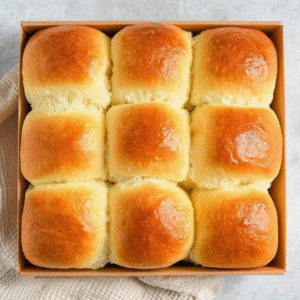
There's something magical about freshly baked dinner rolls. Their warmth and fluffiness can transform an ordinary meal into a heartwarming feast. Whether served at family gatherings or casual dinners, these rolls provide a comforting touch that everyone can appreciate.
Making your own fluffy dinner rolls at home is not only rewarding but also allows you to customize flavors and textures. In this article, we'll explore the essential ingredients and steps to achieve that perfect cloud-like roll. With a little patience and attention, you can create a bakery-quality product right in your own kitchen.
The following recipe emphasizes simplicity while ensuring delicious results. Let's roll up our sleeves and get started on making a batch that will elevate your dining experience!
Ingredients
- 4 cups all-purpose flour
Flour provides the structure for the dinner rolls and is crucial for creating gluten, which gives the rolls their chewy texture. All-purpose flour strikes a good balance, producing rolls that are both soft and sturdy. - 1 packet (2 1/4 tsp) instant yeast
Instant yeast is key for leavening the dough, allowing the rolls to rise beautifully and become light. It acts quickly, giving the dough a good rise in less time than active dry yeast, which is beneficial for home cooks. - 1/4 cup sugar
Sugar not only sweetens the rolls slightly but also helps feed the yeast, promoting faster fermentation. Additionally, it enhances browning during baking, resulting in a lovely golden crust. - 1 tsp salt
Salt is essential for flavor and controlling yeast activity. It strengthens the dough and creates a more pleasing taste, balancing the sweetness from the sugar. - 1 1/2 cups warm milk
Warm milk hydrates the flour and activates the yeast, helping the rolls to rise. It also enriches the dough, adding to its tender texture. - 1/4 cup unsalted butter, melted
Butter adds richness and moisture to the dough, contributing to a tender crumb. The fat helps create that coveted fluffy texture, while also imparting a delightful flavor. - 1 large egg
Eggs enhance the structure and stability of the rolls. They add richness and color, giving the rolls a beautiful sheen on top once they bake.
Directions & Preparation
Step 1: Combine warm milk and yeast.
In a small bowl, mix the warm milk with instant yeast and let it rest for about five minutes until it becomes frothy. This indicates that the yeast is activated and ready to work. Proper activation results in a better rise, so ensure the milk is warm (not hot) to avoid killing the yeast.
Step 2: Mix dry ingredients.
In a large mixing bowl, whisk together the flour, sugar, and salt. This process evenly distributes the dry ingredients, ensuring consistent flavor throughout the rolls. The salt should be added last to prevent it from directly contacting the yeast, which could hinder its activation.
Step 3: Add wet ingredients.
Pour the activated yeast mixture, melted butter, and the beaten egg into the dry ingredients. Use a wooden spoon or spatula to stir until a shaggy dough forms. This is the time when the dough starts to come together; it should be slightly sticky but manageable.
Step 4: Knead the dough.
Transfer the dough onto a lightly floured surface and knead for about 8-10 minutes until it becomes smooth and elastic. Kneading develops the gluten, creating a fluffy texture by allowing the rolls to trap air as they bake. If the dough is too sticky, sprinkle in a bit more flour, but avoid over-flouring.
Step 5: Let it rise.
Place the kneaded dough in a greased bowl, cover it with a damp cloth, and let it rise in a warm area for about 1 to 1.5 hours or until doubled in size. This rising step is crucial for developing flavor and volume. If your kitchen is cool, find a warm spot or preheat your oven to a low temperature, then turn it off and place the dough inside.
Step 6: Shape the rolls.
Once risen, punch down the dough gently to release excess air. Divide the dough into 12 equal pieces and shape each piece into a ball. Ensuring all rolls are uniform in size guarantees even baking. It’s also important to handle the dough gently to maintain the air pockets formed during rising.
Step 7: Prepare for the final rise.
Arrange the shaped rolls in a greased baking pan, leaving enough space between each roll for expansion. Cover again with a cloth and let them rise for another 30-45 minutes. This final rise allows the rolls to puff up, resulting in a soft and airy texture once baked.
Step 8: Preheat the oven.
While the rolls are rising, preheat your oven to 350°F (175°C). A properly preheated oven is essential for proper baking; it ensures that the rolls spring back after being placed inside, leading to well-risen, fluffy rolls that are evenly baked.
Step 9: Bake the rolls.
Once the rolls have risen nicely, bake them in the preheated oven for 20-25 minutes, or until golden brown on top. Keep an eye on them; the baking time may vary based on your oven. Proper browning indicates that the rolls are cooked through and ready to be enjoyed.
Step 10: Cool before serving.
After baking, allow the rolls to cool in the pan for a few minutes before transferring them to a wire rack. This cooling process helps the rolls set, ensuring they retain their fluffiness. Serve them warm or at room temperature to maintain that soft texture.

Mastering the Perfect Dough Consistency
Achieving the right consistency in your dough is vital for crafting fluffy dinner rolls. The dough should be slightly sticky but not overly wet; this balance allows for the air pockets that contribute to lightness. If after kneading the dough still feels too sticky, add flour gradually until it reaches the right texture. Conversely, if it feels too dry, a splash of warm milk can help bring it back to life.
Enhancing Flavor with Simple Additions
While the classic fluffy dinner roll is satisfying on its own, adding ingredients can elevate the flavor profile significantly. Consider mixing in herbs like rosemary or garlic powder, or incorporating shredded cheese to enhance taste. These small additions can transform a basic recipe into a delightful accompaniment for various dishes, catering to the preferences of your family or guests.
Serving Suggestions for Fluffy Rolls
Fluffy dinner rolls are incredibly versatile and pair beautifully with a variety of meals. They can serve as a side to creamy soups or savory stews or be used to mop up flavorful sauces on your plate. Consider slathering them with butter, serving them alongside homemade jams, or even making mini sandwiches. The options are limitless and can be adapted based on the meal you’re enjoying.
FAQs
What happens if my dough is too thick?
If your dough is too thick and not coming together, it could be due to inadequate hydration. Slowly incorporate small amounts of warm milk until the desired consistency is achieved, ensuring the dough remains workable and elastic.
Why do my rolls taste bland?
Bland rolls may result from not incorporating enough salt or sugar. Adjust your next batch accordingly, adding a little more of either ingredient to enhance the flavor profile.
What if my rolls are overcooked?
If your rolls end up overcooked, they may be dry or hard. Keep a close eye on them while baking next time. Use an instant-read thermometer to gauge the internal temperature; they should be around 190°F (88°C) when done.
Can I use whole wheat flour instead of all-purpose flour?
Yes, you can substitute whole wheat flour but start with half and blend it with all-purpose flour first. This will help maintain the lightness of the rolls while still integrating the health benefits of whole grains.
How do I know when the rolls are done baking?
The rolls should be golden-brown on top and sound hollow when tapped on the bottom. An internal temperature of around 190°F (88°C) is a good indicator that they are sufficiently cooked through.
What causes dense dinner rolls?
Dense rolls may result from over-kneading the dough or not allowing it to rise properly. Ensure you're following the resting times and knead gently to maintain a light and airy texture.
Conclusion
Baking fluffy dinner rolls at home is a delightful experience that enriches any meal. As you practice, you’ll become more confident in measuring ingredients, kneading, and shaping, leading to consistently great results.
Remember, the secret lies in developing the right texture and allowing adequate time for rising. So, embrace the process, and soon you'll have irresistible rolls that can be the highlight of your dinner table.
Recipe Card
Creating Soft and Fluffy Dinner Rolls at Home
Ingredients
- 4 cups all-purpose flour
- 1 packet 2 1/4 tsp instant yeast
- 1/4 cup sugar
- 1 tsp salt
- 1 1/2 cups warm milk
- 1/4 cup unsalted butter melted
- 1 large egg
Instructions
- Combine warm milk and yeast.
- Mix dry ingredients.
- Add wet ingredients.
- Knead the dough.
- Let it rise.
- Shape the rolls.
- Prepare for the final rise.
- Preheat the oven.
- Bake the rolls.
- Cool before serving.
Notes
Additional serving suggestions: pair with a crisp salad, garlic bread, or roasted seasonal vegetables for balance.
For make-ahead, prep components separately and assemble just before heating to preserve texture.
Taste and adjust with acid (lemon/vinegar) and salt right at the end to wake up flavors.