Introduction
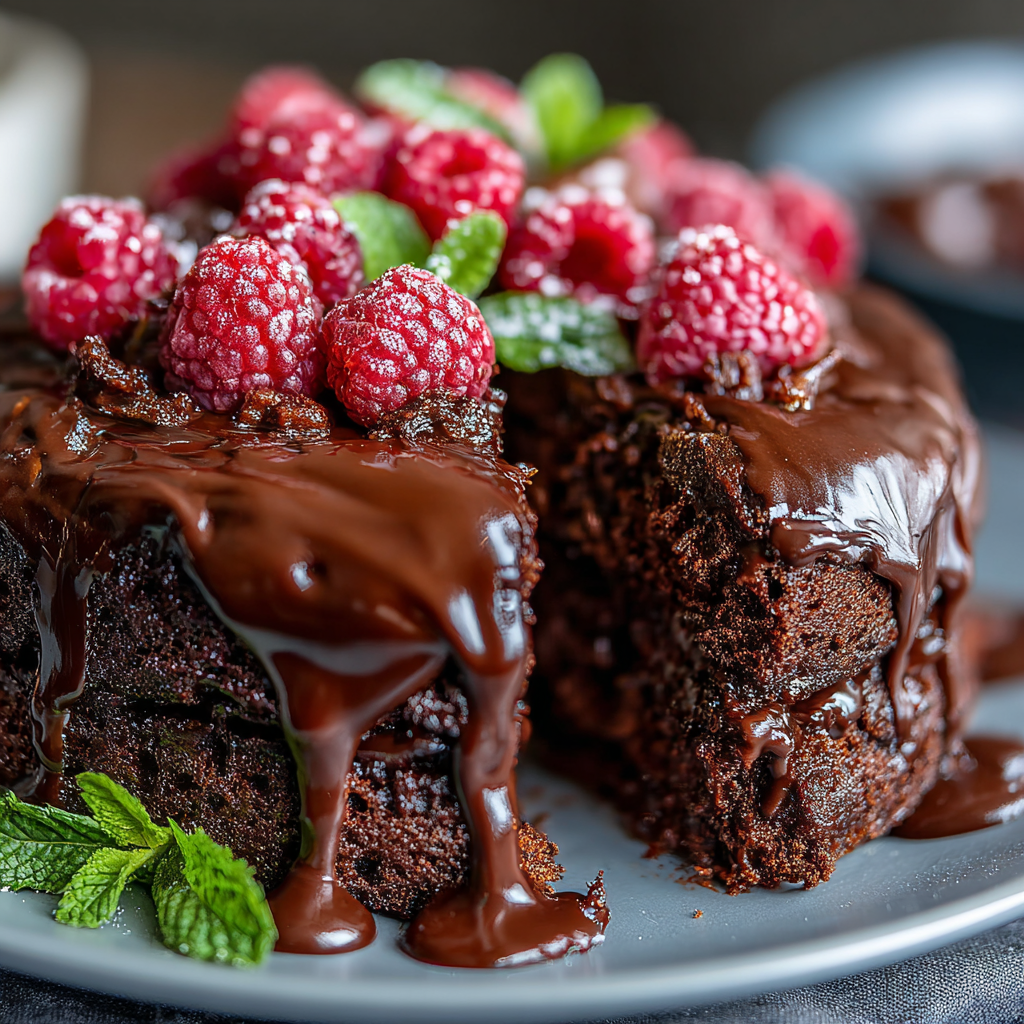
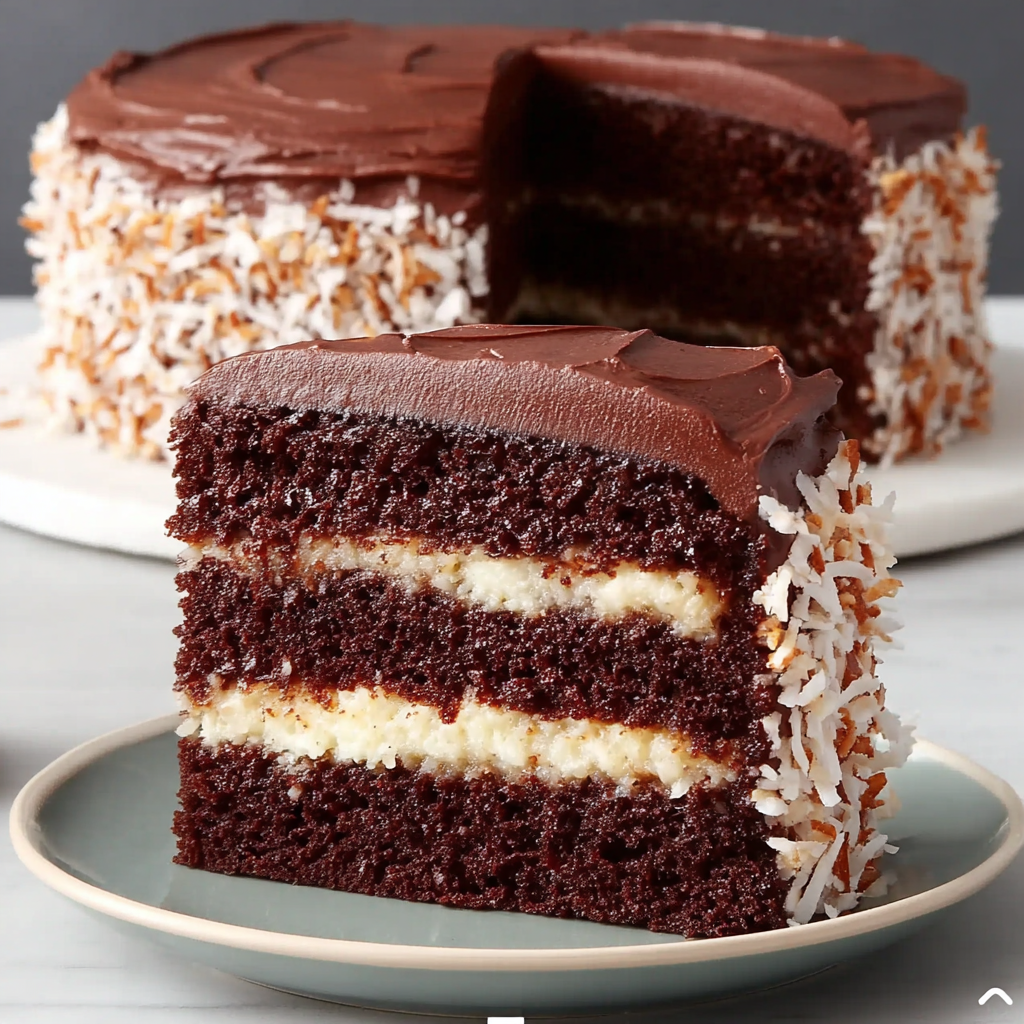
A Chocolate Coconut Cake is a celebration of all things indulgent and flavorful, making it perfect for special occasions or a cozy afternoon treat. With layers of moist chocolate cake complemented by the luscious flavor of coconut, this dessert will make any sweet tooth rejoice.
The rich chocolate frosting adds an extra dimension, creating a harmonious relationship between the chocolate and coconut flavors. Baking this cake offers not just a delicious outcome but also a joyful experience as the tantalizing aroma fills your kitchen.
Ingredients
- 2 cups all-purpose flour
Flour provides the structure of the cake, giving it a firm yet tender crumb. It's essential for creating that desired cake texture, helping the layers rise beautifully. - 1 ¾ cups granulated sugar
Sugar sweetens the cake and helps retain moisture, contributing to a soft texture. It also aids in the browning of the cake as it bakes. - ¾ cup unsweetened cocoa powder
Cocoa powder adds the rich chocolate flavor that defines this cake. It also contributes to the dark color and complexity of the taste. - 1 ½ teaspoons baking powder
Baking powder helps the cake rise and become fluffy by producing carbon dioxide gas during baking. It’s essential for achieving that light, airy texture. - 1 ½ teaspoons baking soda
Similar to baking powder, baking soda activates to create lift, but it also balances the acidity in the cake, particularly from the cocoa. - 1 teaspoon salt
Salt enhances the overall flavor of the cake, helping to accentuate the sweetness and cocoa. It is a key element in balancing the ingredients. - 2 large eggs
Eggs act as a binding agent, helping to hold the cake together while also adding richness. The proteins in eggs contribute to the structure and moisture of the cake. - 1 cup whole milk
Milk adds moisture to the cake, making it tender and flavorful. It's also essential for achieving the right consistency in the batter. - ½ cup vegetable oil
Oil contributes to the cake's moistness, helping it stay fresh longer. It also creates a tender crumb compared to using butter. - 2 teaspoons vanilla extract
Vanilla extract adds depth of flavor, complementing the chocolate and coconut. It provides a warm, aromatic note that rounds out the taste. - 1 cup shredded coconut
Shredded coconut adds texture and a tropical flavor that enhances the cake’s profile. It creates delightful bites that contrast with the chocolate. - 1 cup unsweetened cocoa powder (for frosting)
Using cocoa powder in the frosting adds a rich chocolate flavor that perfectly complements the cake. It’s essential for achieving that velvety chocolate finish. - ½ cup unsalted butter (softened)
Butter forms the base of the frosting, creating a creamy texture that can be easily spread. The fat in butter adds a rich flavor that balances the sweetness. - 3 cups powdered sugar
Powdered sugar is key to achieving the sweet, smooth consistency of the frosting. It dissolves easily, creating a creamy texture without graininess. - 3–4 tablespoons whole milk (for frosting)
Milk thins the frosting to the desired consistency for spreading or piping. It helps create a smooth, pourable texture that coats the cake evenly.
Directions & Preparation
Step 1: Preheat the oven to 350°F (175°C) and prepare the cake pans.
Preheating the oven ensures that the cake bakes evenly from the moment it goes in. Greasing the pans prevents sticking, allowing for a clean release once the cakes are baked.
Step 2: In a large mixing bowl, combine the dry ingredients: flour, sugar, cocoa powder, baking powder, baking soda, and salt.
Mixing the dry ingredients thoroughly ensures that the leavening agents are evenly distributed throughout the flour. This is crucial for consistent rising and texture in your cake.
Step 3: In another bowl, whisk together the eggs, milk, oil, and vanilla extract.
This step helps to fully incorporate the wet ingredients, ensuring a homogenous mixture. Combining them separately allows for better emulsification when mixed with the dry ingredients.
Step 4: Gradually add the wet ingredients to the dry ingredients, mixing until combined, then fold in the shredded coconut.
Adding the wet ingredients gradually prevents overmixing, which can lead to a dense cake. Folding in the coconut gently incorporates it without deflating the batter.
Step 5: Pour the batter evenly into prepared cake pans and bake for 30-35 minutes.
Evenly distributing the batter helps the cakes cook uniformly. Baking for the right amount of time is essential for achieving the desired texture; overbaking can make the cake dry.
Step 6: While the cakes cool, prepare the chocolate frosting.
Letting the cakes cool is crucial to prevent the frosting from melting upon contact. Preparing the frosting while the cakes cool makes efficient use of your time in the kitchen.
Step 7: Beat the softened butter until creamy, then gradually mix in powdered sugar and cocoa powder.
Creaming the butter correctly adds air, helping to create a light, fluffy texture in your frosting. Gradually combining the sugars prevents a sugar cloud and ensures smoother integration.
Step 8: Add milk to achieve the desired frosting consistency.
Adding milk in small increments helps you control the thickness of your frosting. This flexibility is helpful for achieving the desired spreadability or pipeability of the frosting.
Step 9: Once the cakes are completely cooled, frost the top of one layer, place the second layer on top, then frost the top and sides.
Frosting between layers helps create a balanced flavor in each slice. The outer layer of frosting seals in the moisture, enhancing the cake's overall taste and presentation.
Step 10: Decorate with additional shredded coconut if desired.
Finishing touches with coconut not only enhance the aesthetic appeal but also emphasize the coconut flavor throughout the cake. It invites your guests to appreciate the cake even before their first bite.
Step 11: Slice, serve, and enjoy your homemade chocolate coconut cake.
Serving the cake while it’s fresh ensures the best texture and flavor. Each slice showcases the beautiful layers and invites everyone to indulge in this delightful dessert.
Elevating the Flavor with Coconut
Coconut brings a tropical sweetness that complements the chocolate in a beautifully balanced way. By incorporating shredded coconut into the batter, you introduce an extra layer of texture and flavor, enhancing each bite with a delicate chewiness that contrasts with the cake's moist crumb.
Types of Chocolate for Frosting
Choosing the right type of chocolate for your frosting can elevate the overall flavor profile of the cake. While unsweetened cocoa powder is traditional, experimenting with dark chocolate or even a combination can create a deeper, more complex taste that pairs deliciously with the coconut.
Storing and Serving Suggestions
To keep your cake fresh, store it in an airtight container at room temperature for a few days, or in the refrigerator for extended freshness. For an indulgent twist, serve slices with a scoop of vanilla ice cream or a dollop of whipped cream for a delightful contrast of flavors and textures.
FAQs
What do I do if my cake layers are too thick?
If your cake layers are too thick, ensure you are measuring ingredients accurately and not overmixing the batter. Consider using smaller cake pans for a taller layer.
Can I use sweetened shredded coconut instead?
While sweetened shredded coconut can be used, it will increase the overall sweetness of your cake. You may want to reduce the sugar in the recipe slightly to compensate.
What should I do if my frosting is too thick?
If your frosting is too thick, add more milk one tablespoon at a time until you reach your desired consistency. This will help create a smoother, spreadable texture.
Can I make a smaller version of this cake?
Yes, you can easily scale down the recipe. Simply halve the ingredient quantities and adjust the baking time as needed for smaller pans.
What if my cake falls while baking?
A cake can fall if there’s too much leavening agent or if it’s disturbed during baking. Make sure not to open the oven door too soon and ensure your measurements are accurate before mixing.
Can I use different fillings between the layers?
Absolutely! Experiment with flavored jams, whipped cream, or even fresh fruit to add another layer of flavor that complements the chocolate and coconut.
Conclusion
Baking a Chocolate Coconut Cake with Chocolate Frosting is not just about creating a delicious dessert; it's about crafting a memory. The combination of flavors envelops you in a comforting embrace, perfect for occasions big and small.
As you slice into the cake, the blend of moist chocolate and luscious coconut will surely leave everyone craving more. Embrace the process, and enjoy sharing this delightful treat with family and friends.
Recipe Card
Decadent Chocolate Coconut Cake with Frosting
Ingredients
- 2 cups all-purpose flour
- 1 ¾ cups granulated sugar
- ¾ cup unsweetened cocoa powder
- 1 ½ teaspoons baking powder
- 1 ½ teaspoons baking soda
- 1 teaspoon salt
- 2 large eggs
- 1 cup whole milk
- ½ cup vegetable oil
- 2 teaspoons vanilla extract
- 1 cup shredded coconut
- 1 cup unsweetened cocoa powder for frosting
- ½ cup unsalted butter softened
- 3 cups powdered sugar
- 3 –4 tablespoons whole milk for frosting
Instructions
- Preheat the oven to 350°F (175°C) and prepare the cake pans.
- In a large mixing bowl, combine the dry ingredients: flour, sugar, cocoa powder, baking powder, baking soda, and salt.
- In another bowl, whisk together the eggs, milk, oil, and vanilla extract.
- Gradually add the wet ingredients to the dry ingredients, mixing until combined, then fold in the shredded coconut.
- Pour the batter evenly into prepared cake pans and bake for 30-35 minutes.
- While the cakes cool, prepare the chocolate frosting.
- Beat the softened butter until creamy, then gradually mix in powdered sugar and cocoa powder.
- Add milk to achieve the desired frosting consistency.
- Once the cakes are completely cooled, frost the top of one layer, place the second layer on top, then frost the top and sides.
- Decorate with additional shredded coconut if desired.
- Slice, serve, and enjoy your homemade chocolate coconut cake.
Notes
Additional serving suggestions: pair with a crisp salad, garlic bread, or roasted seasonal vegetables for balance.
For make-ahead, prep components separately and assemble just before heating to preserve texture.
Taste and adjust with acid (lemon/vinegar) and salt right at the end to wake up flavors.