Introduction
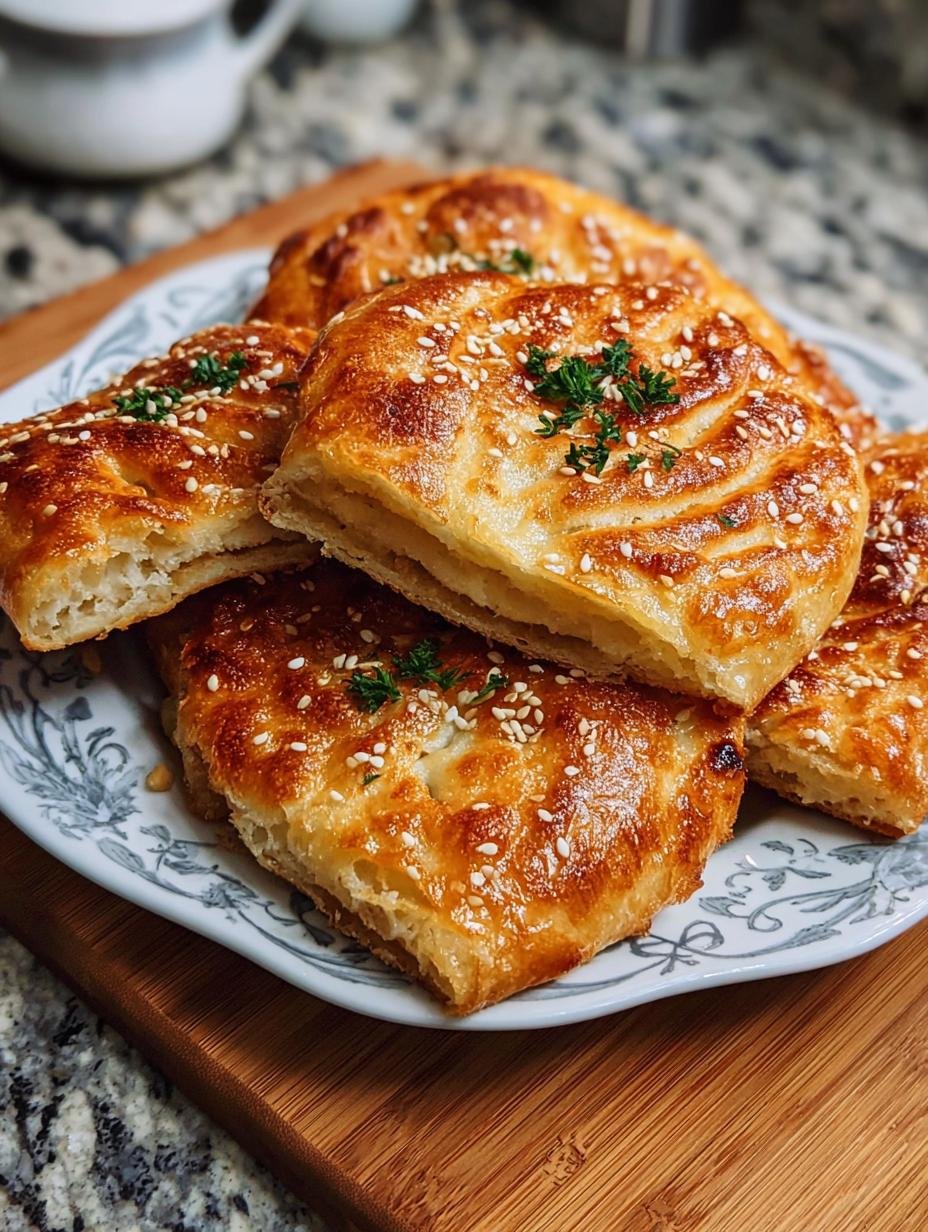
Guo Kui, or crispy stuffed flatbread, is a beloved street food often enjoyed across various regions of China. With its flaky exterior and savory fillings, it has the power to bring comfort and cravings together in every bite. The ideal Guo Kui features layered dough that encases a delectable filling, making it a delight for both the senses and the palate.
While traditionally made with minced pork and aromatic spices, the beauty of Guo Kui lies in its versatility. The flatbread serves as a canvas for creativity, allowing you to explore different fillings based on your taste preferences. Whether prepared as a snack or an appetizer, it promises a unique culinary experience that excites both novice and seasoned cooks.
Ingredients
- 2 tablespoons softened butter (or shortening)
This fat creates a rich flavor and helps form the flaky layers in the flatbread. Shortening can also provide a tender texture that some prefer due to its high fat content. - 1 tablespoon all-purpose flour
This flour helps to thicken and stabilize the filling. It absorbs excess moisture from the meat and prevents it from making the dough soggy. - 1/4 teaspoon salt
Salt enhances the flavors of the meats and spices, ensuring each bite is seasoned perfectly. It is essential for balancing the sweetness of other ingredients. - 1/4 teaspoon freshly ground Sichuan peppercorn
This unique spice adds a numbing heat and a fragrant quality to the filling, characteristic of many Sichuan dishes. It complements the richness of the pork. - 4 oz pork (finely ground)
As the main protein, ground pork brings both flavor and texture to the filling. Its natural juiciness ensures a moist interior, providing a satisfying bite. - 1 teaspoon light soy sauce
This sauce adds depth and umami to the filling. It enhances the overall flavor profile, allowing the pork and spices to shine. - 1 teaspoon toasted sesame oil
Toasted sesame oil lends a nutty aroma and richness that elevates the filling. It is an essential ingredient in many Asian cuisines, enhancing both taste and fragrance. - 1 teaspoon grated ginger
Ginger introduces a fresh, aromatic heat that brightens the flavors in the filling. Its sharpness balances the richness of the pork. - 1/2 teaspoon salt
Another level of salt ensures even seasoning throughout the meat mixture, preventing bland bites and enhancing the overall profile. - 1/4 teaspoon Sichuan peppercorn (freshly ground)
Reinforcing the numbing and fragrant qualities, freshly ground peppercorns amplify the distinct Sichuan flavor, enhancing the dish's authenticity. - 1 green onion (white part only, finely chopped)
Green onion adds a fresh and slightly pungent note to the filling, providing a contrast to the richness of the pork and adding visual appeal. - 2 tablespoons warm water (110°F)
Warm water activates the yeast effectively, ensuring a good rise for the dough. The correct temperature helps achieve the right dough consistency. - 1/4 teaspoon active dry yeast
Yeast is crucial for leavening the dough, allowing it to rise and become light and airy. It contributes to the soft texture of the flatbread. - Pinch sugar
Sugar feeds the yeast, promoting fermentation and contributing to a subtle sweetness in the finished dough, enhancing the balance of flavors. - 200 g (1 1/3 cups) all-purpose flour
Flour forms the structure of the dough; it binds all ingredients together and provides the necessary body to create a durable yet soft flatbread. - 1/2 teaspoon salt
Salt in the dough enhances the gluten structure and improves the flavor, resulting in a more pronounced taste in the finished flatbread. - 1/2 cup boiling water
Boiling water helps to partially cook the flour, resulting in a dough that is easier to work with and yields a softer texture in the finished product. - 1/4 cup vegetable oil (plus extra for shaping)
Vegetable oil is used for frying the Guo Kui, providing crispiness and a delightful golden-brown exterior. Extra oil may be used in the dough to promote layering. - 3 tablespoons white sesame seeds (in a shallow bowl for dipping)
Sesame seeds add a nutty flavor and crunch to the surface of the flatbread, enhancing both the taste and appearance, making them visually appealing.
Directions & Preparation
Step 1: Filling 1: Combine butter, flour, salt, and Sichuan peppercorns.
This step creates a paste that will be spread onto the rolled dough for added flavor and layers. Make sure the mixture is smooth, as this will help create an even coating on the dough and ensure a consistent texture in the final product.
Step 2: Filling 2: Mix ground pork, soy sauce, sesame oil, ginger, salt, and peppercorns. Add chopped green onion.
This mixture forms the savory filling for your Guo Kui. Ensure the pork is finely ground and combine until fully integrated. The incorporation of green onion provides a fresh burst of flavor that balances the richness of the meat.
Step 3: Activate the yeast: Combine yeast and sugar in warm water and let sit for 5–10 minutes.
Activating the yeast is crucial for making the dough rise. The foamy texture after waiting indicates the yeast is alive and ready. This step ensures your dough will have the appropriate lift, contributing to the desired fluffy texture in the Guo Kui.
Step 4: Prepare the dough: Combine flour and salt in a stand mixer. Slowly add boiling water to distribute.
Mixing the flour with boiling water partially cooks the flour, resulting in a more manageable dough. The heat activates the gluten strands and encourages a soft, pliable texture, which is essential for rolling out the dough later.
Step 5: Knead the dough: Using the stand mixer, introduce the activated yeast. Knead until smooth.
Kneading develops the gluten, which gives the dough its structure. This step is critical for achieving the desired texture; the dough should be slightly tacky but not overly sticky. Lightly dust your work surface with flour if needed while kneading.
Step 6: First rest: Cover the dough and let it rest for 15 minutes.
Resting allows the gluten to relax, making it easier to roll out later. It also helps with the overall elasticity of the dough, preventing it from springing back when shaped, which can affect layering.
Step 7: Divide and shape the dough: Divide into 6 pieces, round each, and let rest for another 5 minutes.
Dividing the dough helps create uniform pieces, ensuring that all Guo Kui are similar in size. A short resting period after shaping keeps the dough pliable and easier to work with for rolling and filling.
Step 8: Roll out into ovals: Roll each piece into a 3×10 inch oval, spread filling 1, and roll tightly.
Creating layered shapes is vital for the crispy texture. Spreading filling 1 evenly and rolling tightly forms the necessary layers that will expand. Each layer trapped will contribute to flakiness when fried.
Step 9: Form meat-filled rolls: Flatten the rolled dough, add filling 2, and roll up again.
This step combines the layered dough with a flavorful center. Ensuring an even distribution of the meat filling will provide a consistent flavor in every bite. Tucking the ends securely prevents leakage during cooking.
Step 10: Coat with sesame seeds and roll into discs: Dip in sesame seeds, flatten gently, forming 5-inch discs.
The coating of sesame seeds not only adds flavor but also a delightful crunch once cooked. Gently rolling the discs ensures the filling remains contained while creating a beautiful presentation.
Step 11: Preheat skillet and oil: Heat a large skillet over medium heat with 1/4 cup of vegetable oil.
Preheating the skillet allows for an even cooking environment, essential for achieving a crispy exterior. The right temperature ensures the Guo Kui fry rather than steam, maintaining their desired texture.
Step 12: Fry the Guo Kui: Cook until crispy and evenly browned, about 30 seconds per side.
Frying in oil creates a golden-brown crust while keeping the interior moist. Flipping is key to achieving an even cooking, as it exposes all sides to the heat, providing that signature crispiness.
Step 13: Bake: Transfer the fried Guo Kui to a baking tray and bake for 15 to 20 minutes.
Baking continues the cooking process and crisps up the exterior after frying. This final step ensures that each Guo Kui is evenly cooked through, resulting in a satisfying crunch and a hot, flavorful interior.
Layering Techniques for Flakiness
The key to achieving the perfect Guo Kui lies in how well you layer the dough and the filling. The preparation of the dough using fat, whether butter or shortening, is essential for creating those crispy layers. Properly rolling the dough and using flour paste between the layers allows steam to create air pockets, enhancing the texture and giving that sought-after crispy exterior.
Explore Flavorful Fillings
While the traditional pork filling is delightful, don't hesitate to experiment! Consider using vegetables, tofu, or other proteins to cater to your taste preferences. Adding unique spices or even experimenting with herbs can yield unexpected yet satisfying flavors. The versatility of Guo Kui makes it an excellent choice for exploring different cuisines and ingredients.
Serving Suggestions to Enhance Enjoyment
Guo Kui is a versatile dish that pairs well with various sides. Serve with a soy-based dipping sauce, a tangy chili oil, or pickled vegetables for a contrasting flavor. Additionally, these crispy flatbreads make an excellent accompaniment to a hearty soup or salad, elevating your meal experience and providing a delightful interaction of textures and taste.
FAQs
What if my meat filling turns out too thick?
If the meat mixture appears too thick, consider adding a teaspoon or two of water or broth to loosen it up. This will help ensure the filling integrates well into the dough and doesn't create dry spots when cooked.
Can I fill Guo Kui with vegetables instead of meat?
Absolutely! Feel free to experiment with a range of vegetable fillings, such as sautéed mushrooms, spinach, or even a mix of root vegetables. Just make sure to season them well to maintain depth of flavor.
Why does my Guo Kui have a dull color after frying?
If your Guo Kui appear dull instead of golden brown, the oil may not have been hot enough. Ensuring the oil is preheated adequately will give you that desirable crispy, golden appearance.
How can I adjust the spice level in the filling?
To change the spice level, you can adjust the amount of Sichuan peppercorns or introduce chili flakes or fresh minced chili to the meat mixture. Start with a small amount and increase gradually to achieve your preferred heat.
What if my dough keeps shrinking when I roll it out?
If the dough shrinks back when rolled, it may need more resting time. Allowing the gluten to relax further will help provide ease while shaping without bouncing back.
Can I use a different type of oil for frying?
Certainly! While vegetable oil is commonly used, you can substitute it with other oils with high smoke points, such as canola or peanut oil, which will still achieve a similar crispy texture.
Conclusion
Making Guo Kui is a delightful adventure that celebrates tradition and creativity in the kitchen. Its crispy exterior coupled with a savory filling makes each bite an indulgence. Whether enjoyed as an appetizer or a snack, this dish showcases the beauty of layered dough and enticing flavors.
As you explore this recipe, feel free to adapt and experiment with fillings and spices that resonate with your palate. Guo Kui is more than a dish; it’s a canvas for your culinary imagination, inviting you to create beautiful and satisfying meals at home.
Recipe Card
Delight in the Flavors of Guo Kui Flatbread
Ingredients
- 2 tablespoons softened butter or shortening
- 1 tablespoon all-purpose flour
- 1/4 teaspoon salt
- 1/4 teaspoon freshly ground Sichuan peppercorn
- 4 oz pork finely ground
- 1 teaspoon light soy sauce
- 1 teaspoon toasted sesame oil
- 1 teaspoon grated ginger
- 1/2 teaspoon salt
- 1/4 teaspoon Sichuan peppercorn freshly ground
- 1 green onion white part only, finely chopped
- 2 tablespoons warm water 110°F
- 1/4 teaspoon active dry yeast
- Pinch sugar
- 200 g 1 1/3 cups all-purpose flour
- 1/2 teaspoon salt
- 1/2 cup boiling water
- 1/4 cup vegetable oil plus extra for shaping
- 3 tablespoons white sesame seeds in a shallow bowl for dipping
Instructions
- Filling 1: Combine butter, flour, salt, and Sichuan peppercorns.
- Filling 2: Mix ground pork, soy sauce, sesame oil, ginger, salt, and peppercorns. Add chopped green onion.
- Activate the yeast: Combine yeast and sugar in warm water and let sit for 5–10 minutes.
- Prepare the dough: Combine flour and salt in a stand mixer. Slowly add boiling water to distribute.
- Knead the dough: Using the stand mixer, introduce the activated yeast. Knead until smooth.
- First rest: Cover the dough and let it rest for 15 minutes.
- Divide and shape the dough: Divide into 6 pieces, round each, and let rest for another 5 minutes.
- Roll out into ovals: Roll each piece into a 3x10 inch oval, spread filling 1, and roll tightly.
- Form meat-filled rolls: Flatten the rolled dough, add filling 2, and roll up again.
- Coat with sesame seeds and roll into discs: Dip in sesame seeds, flatten gently, forming 5-inch discs.
- Preheat skillet and oil: Heat a large skillet over medium heat with 1/4 cup of vegetable oil.
- Fry the Guo Kui: Cook until crispy and evenly browned, about 30 seconds per side.
- Bake: Transfer the fried Guo Kui to a baking tray and bake for 15 to 20 minutes.