Introduction
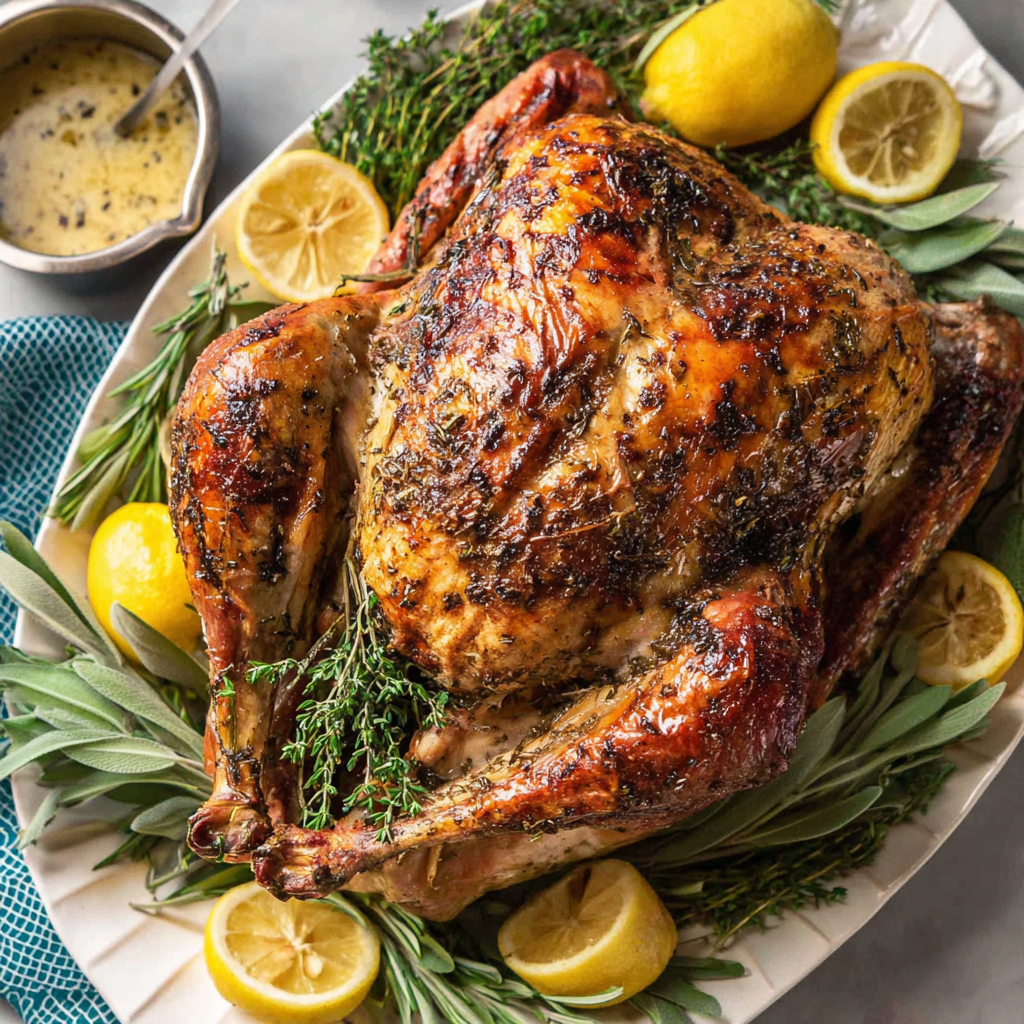
Roasting a turkey may seem like an extravagant endeavor, but it can be surprisingly simple. With just a few key techniques, you can achieve that golden-brown skin and juicy, flavorful meat that make turkey the centerpiece of any meal.
Whether it's a holiday feast or a Sunday dinner, an easy roast turkey can impress your family and friends without overwhelming you in the kitchen. This method minimizes fuss while maximizing flavor, allowing everyone to enjoy delicious turkey without the stress.
Ingredients
- 1 (12-14 lb) whole turkey
Choosing a natural, high-quality turkey ensures the best flavor. A smaller turkey is easier to handle and cook evenly, making it ideal for novice cooks. - 1/4 cup olive oil or melted butter
This fat helps achieve crisp, golden skin and adds richness to the flavor. It also aids in keeping the turkey moist during cooking. - 2 tablespoons salt
Salt is crucial for seasoning the meat and ensuring that flavors penetrate. It also helps to keep the turkey juicy by enhancing water retention. - 1 tablespoon black pepper
Black pepper adds a warm, aromatic spice that balances the richness of the turkey. It's a fundamental seasoning that enhances all the flavors. - 1 tablespoon fresh thyme (or 1 teaspoon dried)
Thyme offers a delicate herbal note that complements the turkey beautifully. Fresh herbs can elevate the dish with vibrant flavors. - 1 tablespoon fresh rosemary (or 1 teaspoon dried)
Rosemary's pine-like aroma pairs well with poultry. It adds depth and enhances the overall savoriness of the turkey. - 1 lemon, quartered
Inserting lemon into the cavity infuses the meat with a bright, zesty flavor as it roasts. The acidity helps tenderize and flavor the turkey from the inside. - 1 onion, quartered
Onion adds sweetness and depth, infusing the turkey with moisture and rich flavor. Cooking with aromatics like onion builds layers of taste. - 4 cups low-sodium chicken broth
Broth serves as a flavorful base for roasting and helps keep the turkey moist. It can also be used for basting, enhancing the flavor throughout the cooking process.
Directions & Preparation
Step 1: Preheat the oven to 325°F (163°C).
Starting with a properly preheated oven is crucial for even cooking. It ensures that the turkey begins to roast immediately, developing that essential golden skin while the inside cooks thoroughly.
Step 2: Prepare the turkey by removing the giblets and patting it dry.
Removing the giblets prevents them from affecting the flavor of your turkey. Patting it dry helps the skin crisp up nicely in the oven, avoiding a soggy texture.
Step 3: Rub the turkey with olive oil or melted butter, then sprinkle salt, pepper, thyme, and rosemary all over.
Coating the turkey in fat enhances the browning of the skin and contributes to flavor. Generously seasoning is key to ensuring that every bite is full of taste.
Step 4: Stuff the cavity with lemon and onion.
Inserting aromatics into the cavity not only enhances the flavor but also creates steam during roasting, which keeps the breast meat moist and tender.
Step 5: Place the turkey breast-side up in a roasting pan.
Positioning the turkey breast-side up allows for even cooking. The pan will catch the drippings for gravy and helps circulate heat for consistent roasting.
Step 6: Pour chicken broth into the pan, covering the bottom.
Adding broth ensures that the turkey has moisture during cooking, which contributes both to the flavor of the meat and the resulting gravy. This helps protect against drying out.
Step 7: Roast the turkey for about 13-15 minutes per pound, basting occasionally with the pan juices.
Regular basting keeps the turkey juicy and adds flavor to the skin. The roasting time helps ensure that the meat reaches the perfect internal temperature.
Step 8: Use a meat thermometer to check for doneness; it should register 165°F (74°C) in the thickest part of the breast.
Accuracy in measuring the internal temperature is vital to avoid overcooking. Once it reaches 165°F, the turkey is safe to eat and is at its juiciest.
Step 9: Let the turkey rest for at least 30 minutes before carving.
Resting allows the juices to redistribute throughout the meat, making it moist and easier to carve. This crucial step enhances the overall eating experience.

The Significance of Brining Your Turkey
Brining isn’t just for flavor; it impacts the turkey's moisture content significantly. A simple brine of salt and water can ensure that your roast turkey remains juicy throughout the cooking process. For those who want to take it a step further, adding herbs, sugar, or spices to the brine can elevate the flavor even more.
Basting: An Essential Technique
Basting your turkey during roasting serves multiple purposes. It infuses flavor and helps to keep the outer layer moist, promoting a crispy skin while preventing dryness. The key is to baste frequently but allow enough time for the skin to crisp – typically every 30 minutes or so works well.
Making the Perfect Gravy from Drippings
Turkey drippings are a treasure trove of flavor for your gravy. After roasting, use the pan drippings as a base, adding flour or cornstarch to thicken. Deglazing the pan with some white wine or additional broth ensures that no flavor is wasted, creating a luscious, rich gravy to accompany your roast turkey.
FAQs
What if my turkey is still frozen?
It's best to fully thaw your turkey in the fridge for several days. If you're short on time, you can submerge it in cold water, changing the water every 30 minutes, for quicker thawing.
How can I ensure my turkey skin is crispy?
Make sure to dry the turkey thoroughly before seasoning and roasting. Also, keeping the oven door closed as much as possible during cooking helps maintain heat for better crisping.
What should I do if my turkey starts browning too quickly?
If the skin is browning faster than expected, cover the turkey loosely with aluminum foil. This prevents burning while allowing the meat to cook through.
Can I use a different type of broth?
Yes, you can substitute with vegetable broth or a homemade stock for different flavor profiles. Just ensure it’s low-sodium to better control seasoning.
What should I do if the gravy is too thick?
If your gravy is overly thick, gradually whisk in additional broth or water until you reach the desired consistency.
Why is my turkey flavor bland?
Improper seasoning is often the culprit. Ensure you generously season both under the skin and inside the cavity. Marinating or brining beforehand can also enhance flavor.
How do I know when my turkey is done if I don’t have a thermometer?
Look for clear juices running from the thigh when pierced; they should not be pink. The legs should also move easily if twisted, indicating tenderness.
Can I cook a larger turkey with this method?
Yes, just adjust the cooking time. Use approximately 13 minutes per pound, ensuring to check the temperature in the thickest part of the bird.
Conclusion
Roasting a turkey doesn't have to be stressful or complicated. With this straightforward approach, you'll likely find the process not only manageable but also enjoyable. Remember, it's all about preparation, seasoning, and patience.
By following these key steps and tips, you can create a delightful roast turkey that is sure to impress. Enjoy the fruits of your labor and the delicious flavors that come with a well-prepared turkey, turning any meal into a special occasion.
Recipe Card
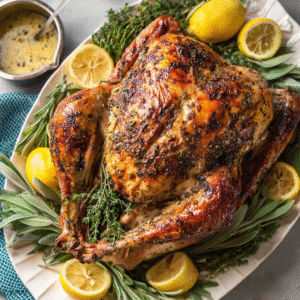
Effortless Roast Turkey for Every Home Cook
Ingredients
- 1 12-14 lb whole turkey
- 1/4 cup olive oil or melted butter
- 2 tablespoons salt
- 1 tablespoon black pepper
- 1 tablespoon fresh thyme or 1 teaspoon dried
- 1 tablespoon fresh rosemary or 1 teaspoon dried
- 1 lemon quartered
- 1 onion quartered
- 4 cups low-sodium chicken broth
Instructions
- Preheat the oven to 325°F (163°C).
- Prepare the turkey by removing the giblets and patting it dry.
- Rub the turkey with olive oil or melted butter, then sprinkle salt, pepper, thyme, and rosemary all over.
- Stuff the cavity with lemon and onion.
- Place the turkey breast-side up in a roasting pan.
- Pour chicken broth into the pan, covering the bottom.
- Roast the turkey for about 13-15 minutes per pound, basting occasionally with the pan juices.
- Use a meat thermometer to check for doneness; it should register 165°F (74°C) in the thickest part of the breast.
- Let the turkey rest for at least 30 minutes before carving.
Notes
Additional serving suggestions: pair with a crisp salad, garlic bread, or roasted seasonal vegetables for balance.
For make-ahead, prep components separately and assemble just before heating to preserve texture.
Taste and adjust with acid (lemon/vinegar) and salt right at the end to wake up flavors.