Introduction
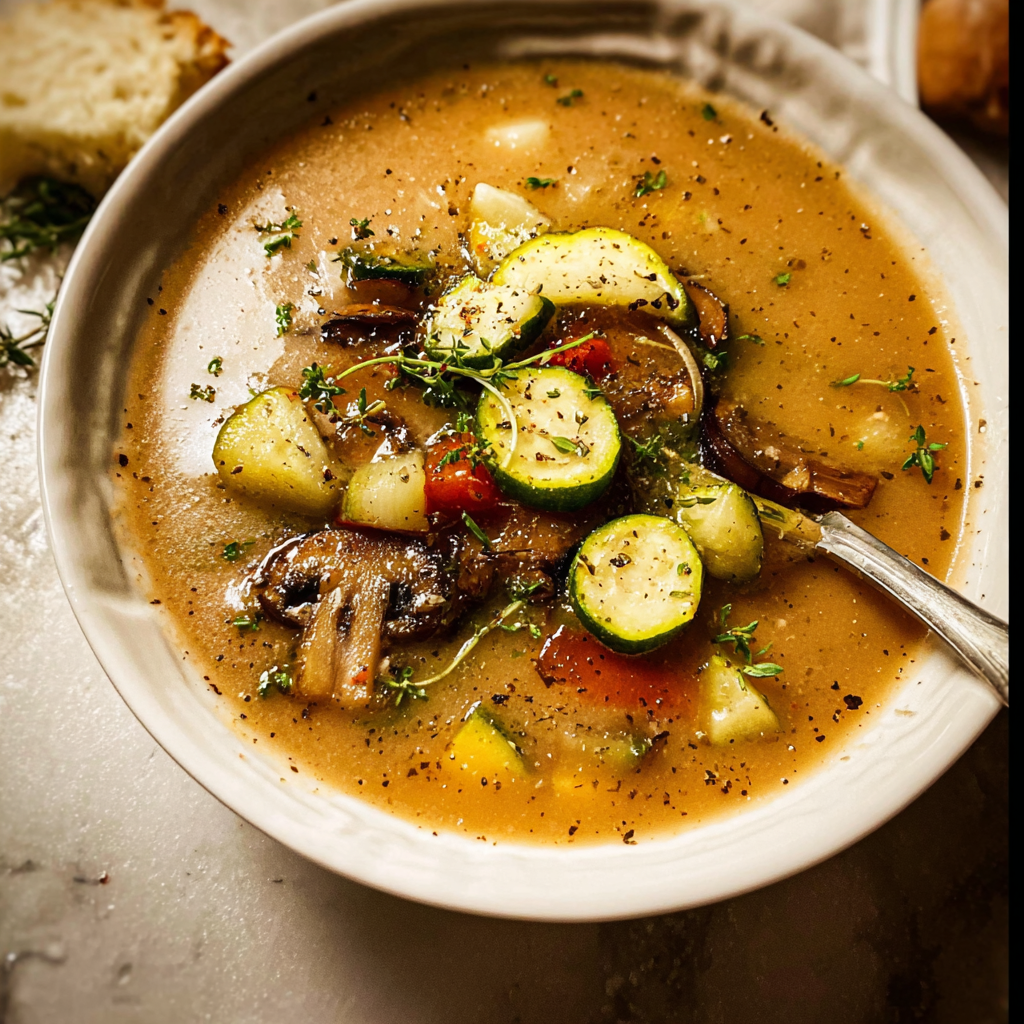
Ratatouille soup brings together the vibrant flavors of a beloved French dish in a warm, comforting bowl. The essence of summer vegetables is transformed into a nutritious and hearty soup that is perfect for any season. Each ingredient plays a vital role, resulting in a symphony of flavors that is sure to delight home cooks.
This soup is not only a celebration of fresh produce but also an opportunity to flex your culinary creativity. Whether enjoyed as a satisfying main course or a light appetizer, ratatouille soup invites you to savor every spoonful. Let’s dive into how to create this rustic dish full of flavor and nourishment.
Ingredients
- 2 tablespoons olive oil
Olive oil serves as the base fat for sautéing and brings depth to the flavors. It has a rich, fruity flavor that complements the vegetables beautifully. - 1 medium onion, diced
The onion adds a fragrant sweetness as it caramelizes, establishing a flavorful foundation for the soup. - 2 garlic cloves, minced
Garlic infuses the soup with aromatic zest, elevating the overall taste and providing health benefits. - 1 medium eggplant, diced
Eggplant adds a unique texture and absorbs the flavors around it, making the soup more robust and satisfying. - 1 medium zucchini, diced
Zucchini's mild flavor adds bulk and moisture to the soup, enhancing its overall texture. - 1 bell pepper, diced
Bell peppers contribute sweetness and a pop of color, brightening the soup while providing essential nutrients. - 1 can (14 oz) diced tomatoes
Canned tomatoes provide acidity and a rich base, helping to create a balanced, savory flavor in the soup. - 3 cups vegetable broth
Vegetable broth serves as the liquid backbone of the soup, adding flavor and ensuring the vegetables cook evenly. - 1 teaspoon dried basil
Dried basil lends an aromatic quality reminiscent of Mediterranean cuisine, enhancing the dish's authenticity. - 1 teaspoon dried thyme
Thyme adds a warm earthiness that complements the other ingredients, creating a well-rounded flavor profile. - Salt and pepper to taste
Seasoning brings all the flavors together, allowing the natural sweetness of the vegetables to shine through.
Directions & Preparation
Step 1: Heat olive oil in a large pot over medium heat.
Heating olive oil properly allows its flavors to develop without burning. A medium heat is ideal for sautéing aromatics like onions and garlic, ensuring they caramelize gently.
Step 2: Add the diced onion and cook until translucent, about 5 minutes.
Cooking the onion until translucent helps to release its natural sugars, creating a sweeter base for the soup. The aroma that fills your kitchen will signal that it’s ready for the next steps.
Step 3: Stir in the minced garlic and cook for an additional minute.
Garlic cooks quickly and should be added after the onion to prevent burning. Sautéing it just until fragrant lets its oil infuse the base, creating depth in flavor.
Step 4: Add the diced eggplant and cook for 5-7 minutes, stirring occasionally.
Eggplant has a high water content, which means it starts to soften and break down as it cooks. This step adds to the soup's body and helps prevent bitterness.
Step 5: Incorporate the diced zucchini and bell pepper, cooking for another 5 minutes.
Adding zucchini and bell pepper provides additional layers of flavor and texture. Both vegetables will soften without losing their shape, contributing to a hearty feel.
Step 6: Stir in the canned diced tomatoes, vegetable broth, basil, and thyme.
Adding the broth and tomatoes transforms the sautéed vegetables into a soup. The acidity from the tomatoes balances the sweetness of the vegetables, while herbs begin to release their essential oils.
Step 7: Bring the mixture to a boil, then reduce the heat and simmer for 20 minutes.
Simmering allows the flavors to meld together beautifully. It deepens the soup's complexity, and the aromas will be incredibly inviting.
Step 8: Season with salt and pepper to taste before serving.
Final seasoning elevates the soup's flavor. Taste as you add salt and pepper to ensure every bowl is perfectly balanced, enhancing the fresh flavors of the vegetables.

Choosing the Right Vegetables
The beauty of ratatouille soup lies in its flexibility. Using seasonal vegetables not only enhances flavor but also adds nutrition. Consider varying your choices based on what's available to you—bulb fennel, cherry tomatoes, or even squash can be delicious additions, creating unique flavor profiles each time you make the dish.
Optimal Pairings with Ratatouille Soup
While ratatouille soup stands beautifully on its own, it can be paired with a variety of sides to elevate the meal. Consider crusty whole-grain bread or a simple green salad dressed with a vinegar-based dressing. Adding a sprinkle of fresh herbs or a dollop of crème fraîche can also amplify the enjoyment.
Vegan Variations to Explore
This ratatouille soup is inherently vegan, but it can be customized further by incorporating legumes like chickpeas or lentils. These additions not only provide protein but also make the soup more filling, ensuring it satisfies both taste and nutritional needs.
FAQs
Why is my ratatouille soup too thick?
If your soup ends up too thick, you can add a bit more vegetable broth or water until you reach your desired consistency. Stir well to incorporate the extra liquid.
What can I use instead of eggplant?
If you want to substitute eggplant, zucchini can work well, or you could use mushrooms for added texture and flavor. Adjust cooking times to ensure your chosen vegetables soften appropriately.
How can I make the soup less bland?
If the soup lacks flavor, try adding more herbs or spices to enhance it. A splash of balsamic vinegar or a pinch of red pepper flakes can elevate the taste significantly.
Can I add different types of beans to the soup?
Absolutely! Adding white beans or black beans can introduce a new texture and increase protein content, making the soup even heartier.
What should I do if the vegetables are overcooked?
If the vegetables are overly mushy, it's best to serve the soup blended for a smoother texture, or you could add freshly sautéed veggies right before serving to introduce crunch.
Is it possible to enhance the garlic flavor?
Yes! Adding roasted garlic instead of raw can give it a sweeter, more complex flavor. Alternatively, increase the fresh garlic if you prefer a stronger taste.
Conclusion
Cooking ratatouille soup is a wonderful way to embrace the flavors and spirit of French cuisine. With its emphasis on fresh ingredients and wholesome flavors, it’s both comforting and nourishing—ideal for a cozy night in or a casual gathering with friends.
Experimenting with your favorite vegetables and seasonings can make each batch a personal creation. No matter how you make it, enjoy the process of cooking and the delicious reward that follows. Happy cooking!
Recipe Card

Savor the Flavors of Ratatouille Soup
Ingredients
- 2 tablespoons olive oil
- 1 medium onion diced
- 2 garlic cloves minced
- 1 medium eggplant diced
- 1 medium zucchini diced
- 1 bell pepper diced
- 1 can 14 oz diced tomatoes
- 3 cups vegetable broth
- 1 teaspoon dried basil
- 1 teaspoon dried thyme
- Salt and pepper to taste
Instructions
- Heat olive oil in a large pot over medium heat.
- Add the diced onion and cook until translucent, about 5 minutes.
- Stir in the minced garlic and cook for an additional minute.
- Add the diced eggplant and cook for 5-7 minutes, stirring occasionally.
- Incorporate the diced zucchini and bell pepper, cooking for another 5 minutes.
- Stir in the canned diced tomatoes, vegetable broth, basil, and thyme.
- Bring the mixture to a boil, then reduce the heat and simmer for 20 minutes.
- Season with salt and pepper to taste before serving.
Notes
Additional serving suggestions: pair with a crisp salad, garlic bread, or roasted seasonal vegetables for balance.
For make-ahead, prep components separately and assemble just before heating to preserve texture.
Taste and adjust with acid (lemon/vinegar) and salt right at the end to wake up flavors.